What Is The Difference Between Carbon Dioxide And Carbon Monoxide
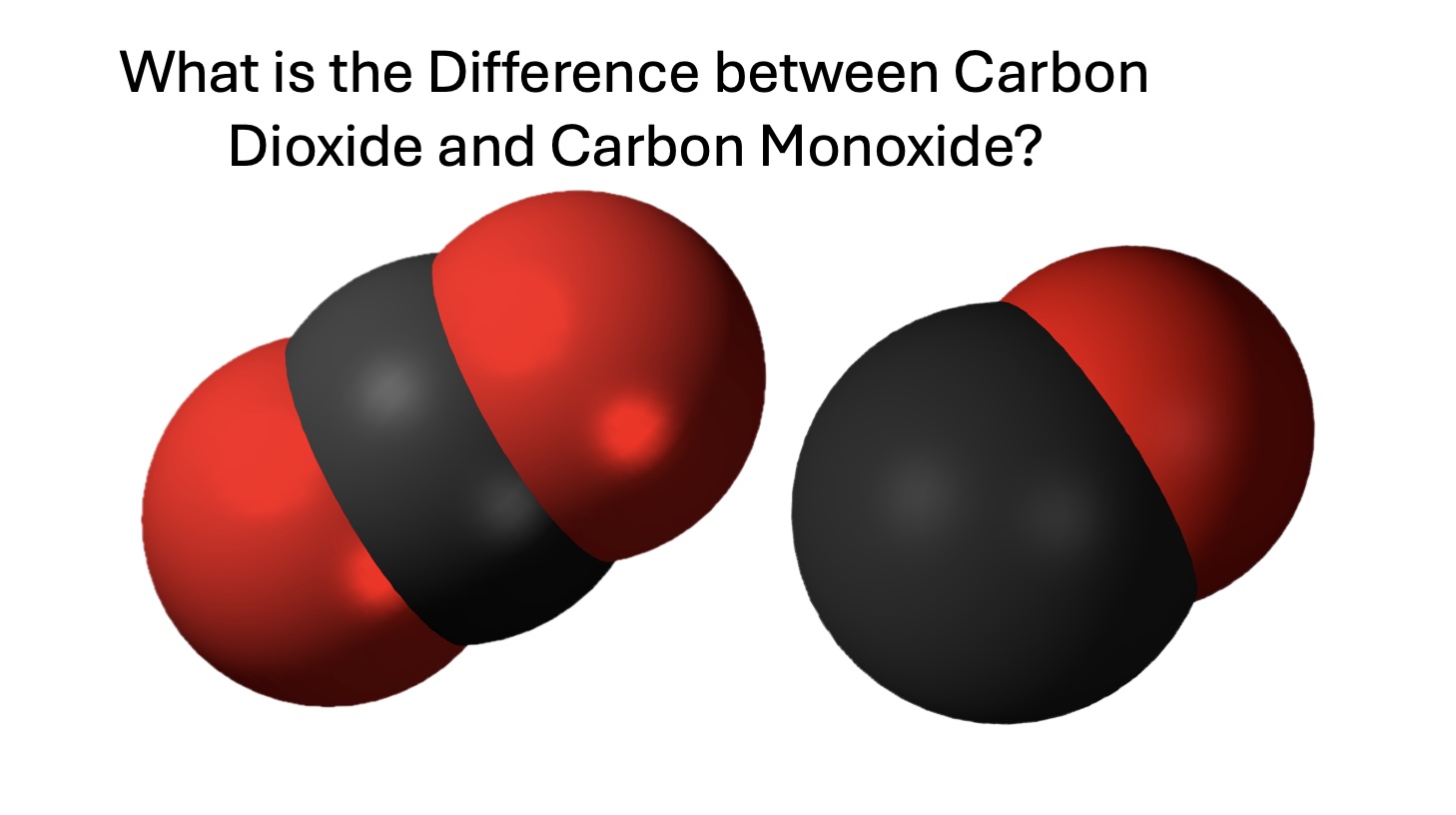
Alright, so grab a mug, settle in. We need to chat about something that trips a lot of people up: the difference between carbon dioxide and carbon monoxide. Sounds super science-y, right? But honestly, it's pretty simple when you break it down. And knowing the difference? Well, let's just say it could be a real lifesaver. No exaggeration!
You know how sometimes things just sound similar enough to be confusing? Like "dessert" and "desert"? Same vibe here, but with way higher stakes than picking between a brownie and a sand dune.
Carbon Dioxide (CO2): The Air You Breathe Out (Mostly)
Let's kick things off with carbon dioxide, or CO2 for short. This guy is everywhere, all the time. Literally, you're making it right now! Every time you exhale, poof, out comes some CO2. It's a natural part of our breathing process. Our bodies take in oxygen, do their metabolic magic, and spit out CO2. Pretty cool, huh? It's like our body's exhaust pipe.
Must Read
Plants, bless their leafy hearts, absolutely adore CO2. They gobble it up for photosynthesis, which is basically how they eat sunshine and make oxygen for us. So, in that way, CO2 is kind of a hero. It's a vital part of Earth's ecosystem, circulating constantly.
Where else do we find CO2? Oh, you know, burning stuff. Car engines, power plants, even a cozy campfire – they all produce CO2. It’s also what gives soda its fizz! Ever had a bubbly drink? That's dissolved CO2 doing its thing. So, in everyday life, CO2 is pretty common, pretty benign in normal concentrations. If there's too much of it in a really poorly ventilated room, you might start feeling a bit sluggish, maybe a headache. But that's usually about it in terms of immediate danger to us specifically.

Carbon Monoxide (CO): The Sneaky Villain
Now, let's talk about its not-so-friendly cousin: carbon monoxide. And pay attention here, because this is where things get serious. This one is just CO. See the difference? One little 'O' less. But that tiny difference? Oh boy, it makes all the difference in the world.
Unlike CO2, CO is a total jerk. It has no good purpose for us. In fact, it's downright dangerous. It's often called the "silent killer" for a reason. Why? Because it's colorless, odorless, and tasteless. You can't see it, you can't smell it, you can't taste it. It's literally invisible and undetectable to your senses. Spooky, right?
Where does CO come from? It's usually a byproduct of incomplete combustion. Think about it: when things burn without enough oxygen, like a malfunctioning furnace, a clogged chimney, a portable generator running in an enclosed space, or a car left idling in a garage – that's when CO rears its ugly head. Instead of getting two oxygen atoms to make the relatively harmless CO2, the burning process only grabs one, creating the extremely toxic CO.

And here's why it's so lethal: when you breathe in CO, your body gets totally tricked. Your red blood cells, which are normally little oxygen taxis, grab onto CO instead of oxygen. And they grab onto it way, way more eagerly than they do oxygen – like, 200 times more effectively. It's like CO is the super-attractive, flashy car, and oxygen is the old beat-up sedan. Your blood cells just can't resist.
So, what happens then? Your body essentially gets starved of oxygen. Your brain, your heart, all your vital organs just aren't getting what they need. Symptoms can start subtly, like a headache, dizziness, nausea – basically flu-like symptoms. Which is why it's so insidious! You think you just have a bug, when really, you're slowly being poisoned. Without intervention, it leads to confusion, collapse, and eventually, death. Pretty terrifying stuff, honestly.

The Big "O" Difference: Two Vs. One
So, let's boil it down to the absolute core difference, because this is what really matters:
- Carbon Dioxide (CO2) has two oxygen atoms attached to that carbon. Think of it as a stable, balanced molecule that our bodies know how to deal with. It's part of our normal biological cycle.
- Carbon Monoxide (CO) has only one oxygen atom. That single oxygen atom makes it incredibly reactive and sneaky, allowing it to bind to your blood cells and essentially hijack your oxygen transport system. It's like a bad fitting key that jams the lock, preventing the right key (oxygen) from ever getting in.
See? That little numerical difference, di-oxide versus mon-oxide, is literally the difference between life and a very dangerous situation. One is a natural part of our world, necessary for plants, and what we exhale. The other is a dangerous, invisible gas that actively prevents your body from getting the oxygen it needs to survive.
So, next time someone mentions carbon this or carbon that, remember this chat. CO2: mostly harmless, part of life. CO: incredibly dangerous, requires a detector in your home, and needs your immediate attention if you suspect it. Stay safe out there, okay? And maybe keep that coffee brewing.