
What Is The Best Way To Extinguish A Fire
Alright, let's talk about something that can be pretty scary, but honestly, knowing a little bit about it can give you a huge sense of calm: putting out a fire. We're not talking about professional heroics here, but rather those small, everyday situations that might just require a cool head and the right move. So, what is the best way to extinguish a fire? It's less about a single "best" way and more about understanding what fire needs to thrive, and then strategically taking that away.
Understanding Your Fiery Foe: The Fire Triangle
Think of it like this: fire is a bit of a diva. It needs three things to perform its fiery show, and if you take even one away, the act is over. This is famously known as the Fire Triangle:
- Heat: The spark or ignition source.
- Fuel: Something that can burn (wood, paper, gas, oil).
- Oxygen: The air around us (specifically, about 16% oxygen to sustain a flame).
Some even add a fourth element for a more complete picture, creating the "Fire Tetrahedron": a chemical chain reaction that sustains the burn. But for our purposes, the triangle is a fantastic starting point. Remove any leg of that triangle, and poof, no more fire!
Must Read
Method 1: Starve It – Remove the Fuel
This is often the simplest and safest method, if you can do it without putting yourself at risk. If a fire is being fed by a gas line, for instance, turning off the gas supply is like pulling the plug on its energy source. If a small fire is near a pile of newspapers, carefully moving the papers away from the flames can prevent it from spreading. Imagine a tiny campfire trying to grow – if you stop feeding it twigs, it's not going anywhere.
Method 2: Suffocate It – Remove the Oxygen
This is where things get really practical for those pesky kitchen flare-ups. Ever had a grease fire on the stove? Your first instinct might be to grab water, but stop right there! Water will only make a grease fire explode into a much bigger, more dangerous situation (think oil and water not mixing, but violently). Instead, reach for a lid. Placing a tight-fitting lid over the pan will smother the flames by cutting off their oxygen supply. Baking soda can also work wonders on small grease fires, as it releases carbon dioxide, which also helps to suffocate the flame. This technique is as old as fire itself – our ancestors knew to bank a fire with ash to keep it smoldering or extinguish it completely.
For slightly larger fires (but still manageable!), a fire blanket is your best friend. These specialized blankets are designed to be thrown over flames, effectively cutting off oxygen and putting out the fire. They're a fantastic addition to any home safety kit, especially in the kitchen or near a grill.
Method 3: Cool It Down – Remove the Heat
Ah, water! Our trusty H₂O is fantastic for cooling down fires fueled by ordinary combustibles like wood, paper, or textiles (known as Class A fires). Water works by absorbing the heat from the burning material, lowering its temperature below its ignition point. It also turns into steam, which can further help to displace oxygen. It’s like giving the fire a cold shower – it just can't keep its heat up!
However, and this is a big however: never use water on electrical fires or grease fires. For electrical fires, water can conduct electricity, putting you at risk of shock. For grease fires, as mentioned, it causes dangerous flare-ups. Knowing when to use water, and more importantly, when not to, is absolutely crucial.
The Modern Warrior: Fire Extinguishers
Sometimes, you need a more advanced tool. A fire extinguisher is essentially a portable superhero designed to tackle specific types of fires by interrupting that chemical chain reaction, or by smothering and cooling. There are different classes of extinguishers:
- Class A: For ordinary combustibles (wood, paper).
- Class B: For flammable liquids (grease, oil, paint).
- Class C: For electrical fires.
- Class K: Specifically for kitchen fires involving cooking oils and fats.
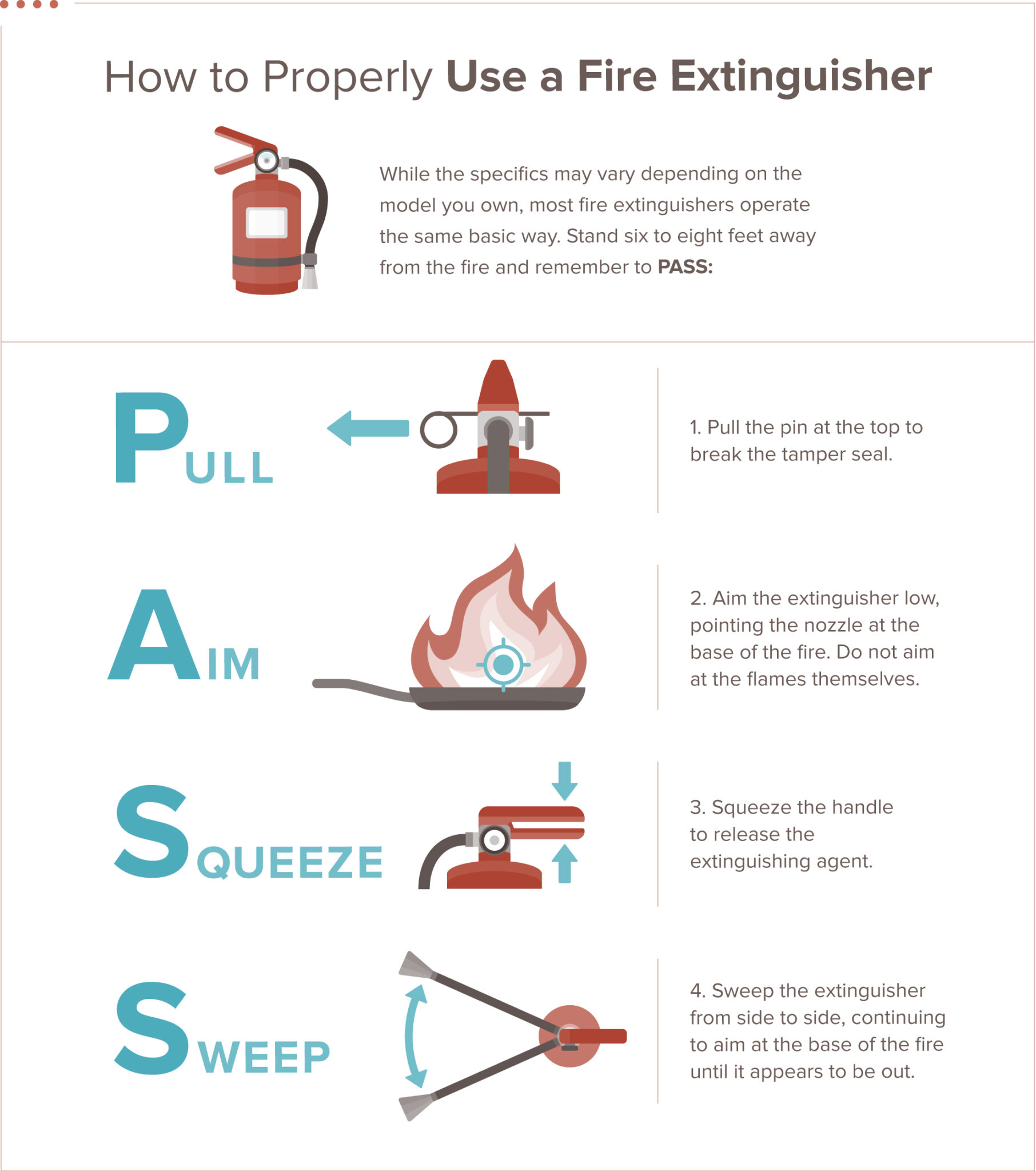
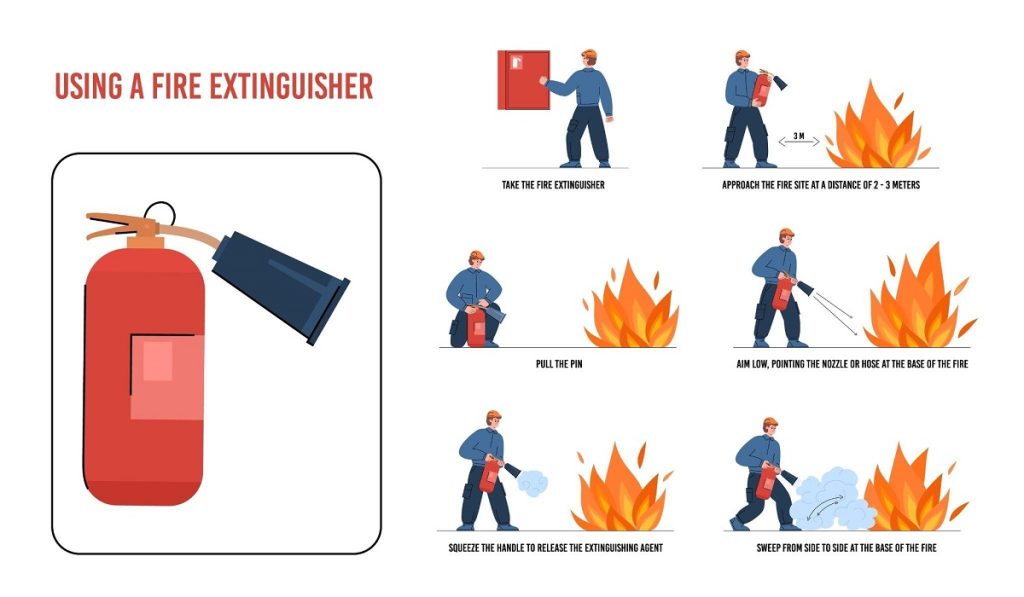
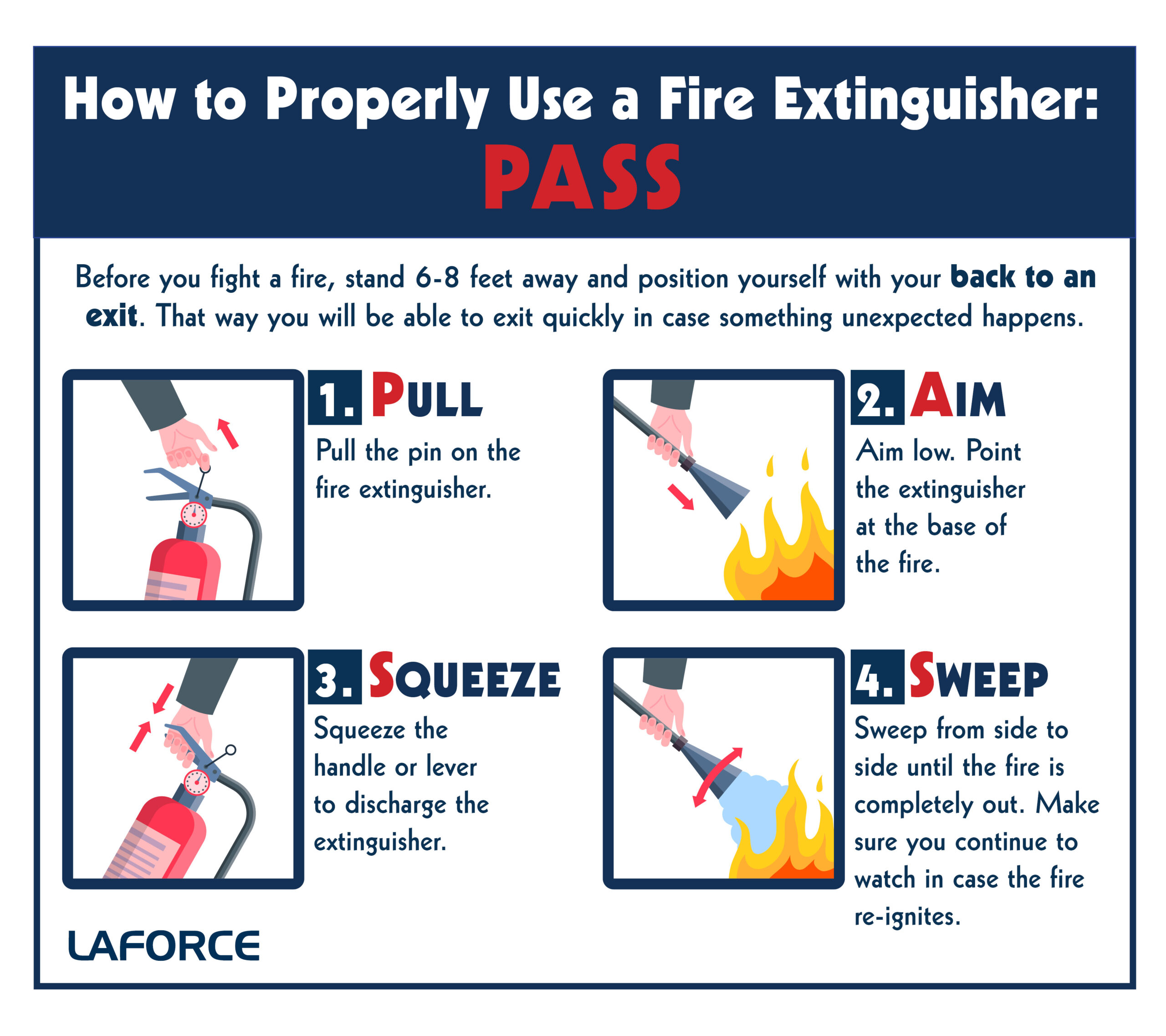
Many home extinguishers are multi-purpose (ABC rated), meaning they can handle a variety of common household fires. If you have one, make sure you know how to use it! The common acronym is PASS: Pull the pin, Aim at the base of the fire, Squeeze the handle, Sweep side to side.

The Golden Rule: Safety First, Always
While it's great to know these methods, the absolute best "way" to extinguish a fire sometimes means not extinguishing it yourself. If a fire is bigger than a small wastebasket, if it's spreading rapidly, if you can't get to an exit safely, or if you don't have the right equipment (like a proper extinguisher), then the best move is to get out, stay out, and call 911 (or your local emergency number). Your life, and the lives of those you love, are infinitely more valuable than any possession.
Regularly check your smoke detectors, have an escape plan, and practice it. These simple steps are your first line of defense, often preventing a small mishap from becoming a devastating tragedy.
A Little Reflection
Knowing how to safely address a small fire isn't about being a firefighter; it's about being prepared and empowered in your own home. It’s about that quiet confidence that comes from understanding how things work, and knowing you can handle a minor hiccup. Just like knowing where your car keys are or having a first-aid kit, a little fire safety knowledge brings a surprising amount of peace of mind. Here's to safe homes and calm kitchens!
