
What Is The Best Solar Powered Power Bank

Alright, gather 'round, folks, pull up a chair. You look like you've seen a ghost, or worse, a phone screen flashing "1% battery remaining!" Don't worry, you're among friends. We've all been there, frantically searching for an outlet like it's the Holy Grail, just to keep our digital lifelines… well, alive.
But what if I told you there's a mythical beast out there, a gleaming beacon of hope that promises to banish the dreaded low-battery anxiety forever? I'm talking about the solar-powered power bank. Sounds like something out of a sci-fi movie, right? A device that sucks energy straight from that giant nuclear furnace in the sky and channels it directly into your precious gadgets! No more fighting for airport plugs! No more begging strangers for a charge! Just pure, unadulterated, sun-kissed power!
So, you've decided to join the solar revolution. Excellent choice! But then you start looking, and oh my word, it's a jungle out there. Hundreds of brands, thousands of models, each promising to be "the best." It's enough to make you want to just give up and buy another regular old wall charger. But fear not, intrepid power-seeker, for I am here to guide you through the glorious, sun-drenched, sometimes hilariously unrealistic world of solar power banks.
Must Read
Is There Even a "Best" Solar Power Bank?
Let's get one thing straight, right off the bat. The idea of a single, universally "best" solar power bank is about as real as a unicorn riding a skateboard. It simply doesn't exist! What's "best" for me, a person who occasionally forgets to charge their phone and likes to pretend they're an intrepid explorer on a weekend hike, is very different from what's "best" for Brenda, who's planning to survive the zombie apocalypse purely on TikTok dances.
So, instead of searching for the mythical "best," let's talk about what makes a solar power bank your best friend.
The Mighty mAh: How Much Juice Are We Talking?
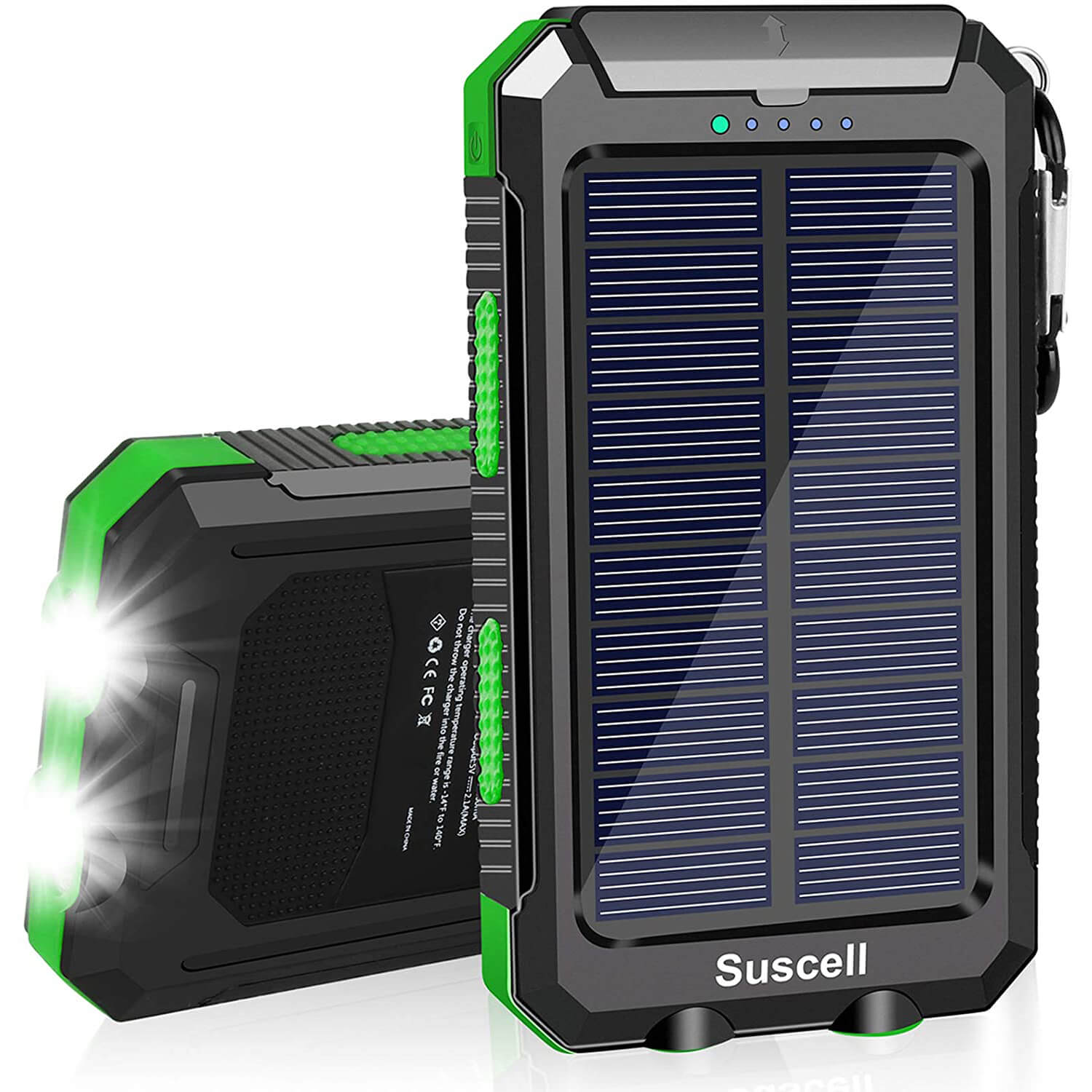
This is where things get serious. Or, as serious as talking about tiny batteries can be. You'll see numbers like 10,000mAh, 20,000mAh, even 50,000mAh! That "mAh" stands for milliampere-hour, and it basically tells you how much power it can hold. Think of it like the size of your coffee cup. A 10,000mAh bank might give your phone 2-3 full charges, while a 20,000mAh monster could juice it up 4-6 times. Want to charge your laptop? You'll need even more!
Surprising fact: A standard smartphone battery is usually around 3,000-4,000mAh. So if you see a bank claiming 50,000mAh, that's enough to power your phone for a small eternity, or at least until you accidentally drop it in a puddle. Consider your needs: are you just topping off a phone, or are you planning an off-grid expedition to find Bigfoot?
The Sun-Soaked Truth About Solar Charging Speed
Okay, prepare for a dose of reality, delivered with a side of humor. You know how those tiny solar panels on calculators keep them going for years? Wonderful, right? Well, the panels on most power banks are… also tiny. And while they work, they are not, I repeat, not designed to fully charge your massive 20,000mAh power bank from zero in an hour. Or two. Or even a full day of direct sun!
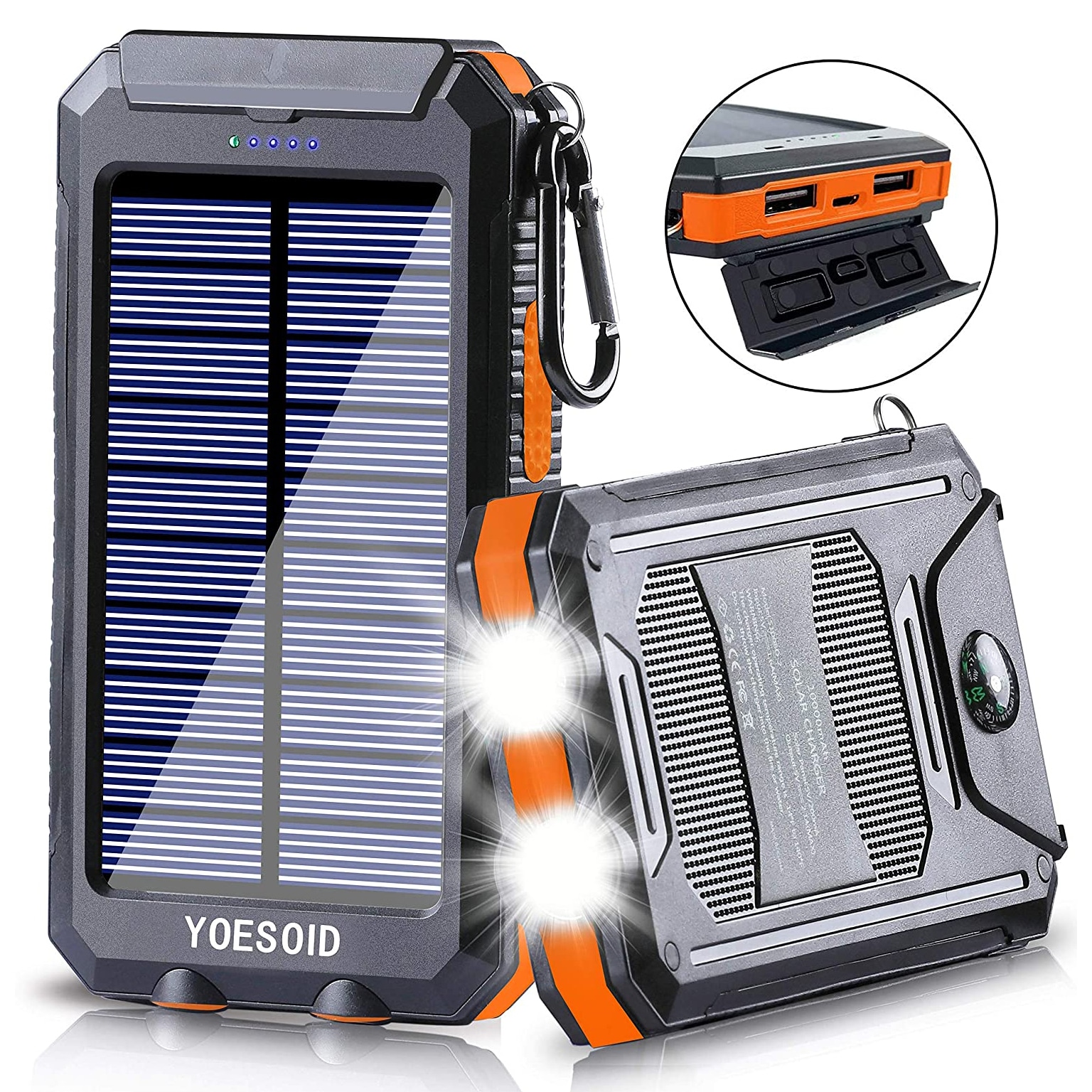
Think of it more like a trickle charger for emergencies, or for very patient people who enjoy watching grass grow. It's fantastic for maintaining a charge, or slowly topping up a partially depleted bank over several days if you're truly off-grid. If you expect to go from 0% to 100% just by waving it at the sun for an afternoon, you'll be severely disappointed. You're better off fully charging the power bank from a wall outlet before you head out, and using the solar panel to extend its life a little.
Joke: Trying to fully charge a 20,000mAh power bank with its tiny solar panel is like trying to fill an Olympic swimming pool with an eyedropper. You'll get there eventually, but you might need a new hobby in the meantime!
Rugged and Ready: Built for Adventure (or Clumsiness)
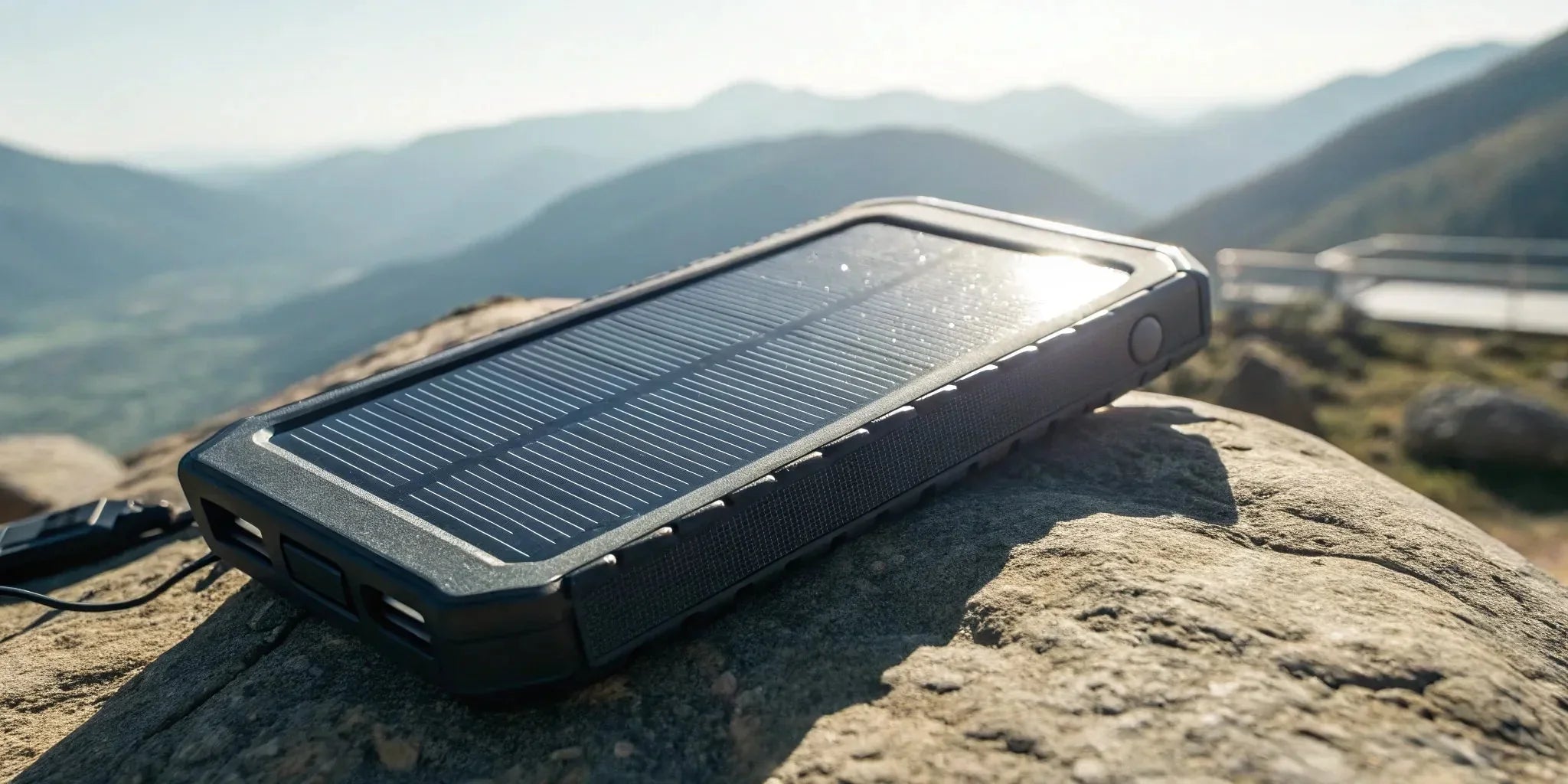
Are you the kind of person who accidentally drops their phone more often than they pick it up? Do you venture into the wilderness, or just have really slippery hands? Then you need a power bank that's as tough as a two-dollar steak. Look for features like IP ratings (e.g., IP67 for dust and water resistance), rubberized casings, and maybe even a built-in carabiner clip. These are the tanks of the power bank world, designed to withstand a few bumps, splashes, or even an accidental dunk in the toilet (don't ask).
If your biggest adventure is commuting to work, a sleek, less rugged option might be perfectly fine. But if you're genuinely planning to hike Everest or simply have a talent for destroying electronics, go rugged. Your future self (and your future phone) will thank you.
Extra Gimmicks and Gadgets: Do You Need a Flashlight, a Compass, and a Built-in Espresso Machine?
Some solar power banks come loaded with more features than a Swiss Army knife designed by a mad scientist. Flashlights? Sure, handy. Built-in compass? Great if you've forgotten how maps work or just like spinning in circles. Wireless charging? Ooh, fancy! Some even have emergency whistles or SOS light functions. While these can be genuinely useful, especially for campers or hikers, be wary of feature creep.
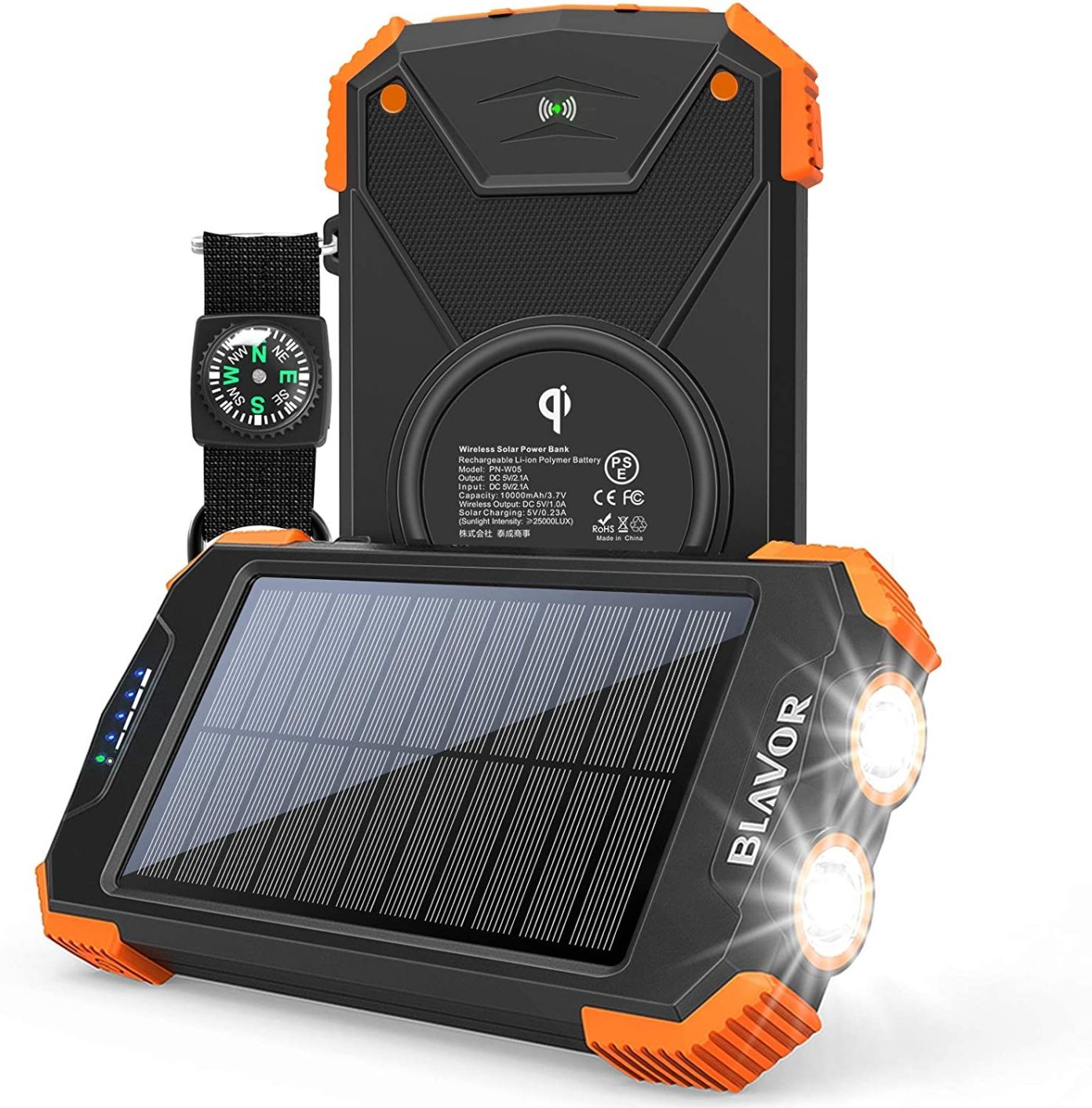
Every extra feature adds to the cost, the complexity, and potentially the fragility. Decide what you truly need. If you already carry a flashlight, you might not need one on your power bank. If you're never going to use the emergency whistle, why pay for it? Unless, of course, you just want to annoy your cat with it. (Not recommended.)
So, What's Your Best Solar Power Bank?
After all this talk, you might still be wondering, "But which one do I get?!" The answer, my friend, depends entirely on you.
- For the Casual Commuter/Weekend Warrior: Look for a 10,000-20,000mAh capacity, decent build quality, and maybe a flashlight. The solar panel will be good for those unexpected sunny moments or keeping a trickle going.
- For the Serious Hiker/Off-Grid Adventurer: Go big on capacity (25,000mAh+), get something seriously rugged (IP67 or higher), and prioritize a larger solar panel if possible (though still manage expectations on speed!). Extra features like compasses or SOS functions might genuinely be useful here.
- For the "Oops, I Forgot to Charge Again" Person: A smaller, lighter 5,000-10,000mAh unit that you can easily toss in your bag, knowing the tiny solar panel will at least prevent total device death if you leave it on a sunny windowsill.
In conclusion, the "best" solar-powered power bank isn't some mythical beast waiting to be discovered. It's the one that perfectly fits your lifestyle, your adventures (or lack thereof), and your personal level of battery anxiety. Charge it fully from the wall before you leave, use the sun as your trusty backup, and go forth, knowing you're always just a little bit more prepared than everyone else. Now, if you'll excuse me, I think I hear my phone screaming for mercy.