What Is The Best Pump For Above Ground Pool
Ever gazed at your above-ground pool on a hot day, shimmering invitingly, and thought about the unsung hero making all that sparkling goodness possible? No, not the pool noodles. We’re talking about the pump! It's kind of like the heart of your whole backyard oasis, diligently working behind the scenes. But with so many options out there, it’s easy to get lost in a swirl of technical jargon. So, let’s peel back the layers and chat about what makes a pool pump truly awesome, shall we?
Think about it: a beautiful, clear pool doesn't just happen. It needs constant circulation and filtration to keep the water pristine, inviting, and free from all sorts of unwelcome guests (we're looking at you, leaves and tiny critters!). That's where your pump steps in, doing all the heavy lifting – or rather, the heavy pushing – of water through your filter system. Without a good pump, your pool would quickly become... well, let's just say it wouldn't be quite as Instagrammable.
Why Does Your Pool Pump Matter So Much?
Imagine trying to paddle a boat with a teaspoon. That’s kind of what a weak pump would be like for your pool. It’s all about efficiency and effectiveness. A great pump ensures your water is properly filtered, chemicals are evenly distributed, and algae stands no chance. It’s the difference between a pool that’s a chore and a pool that’s a pure joy.
Must Read
So, what exactly are we looking for when we talk about the "best" pump? Is it the biggest? The loudest? The one with the most flashing lights? (Spoiler alert: probably none of those last two!). Let's dive into the fascinating world of pool pumps and uncover the contenders.
The Different Flavors of Pool Pumps
Just like ice cream, pool pumps come in a few different "flavors," each with its own perks:
1. The Single-Speed Pump: The Old Reliable
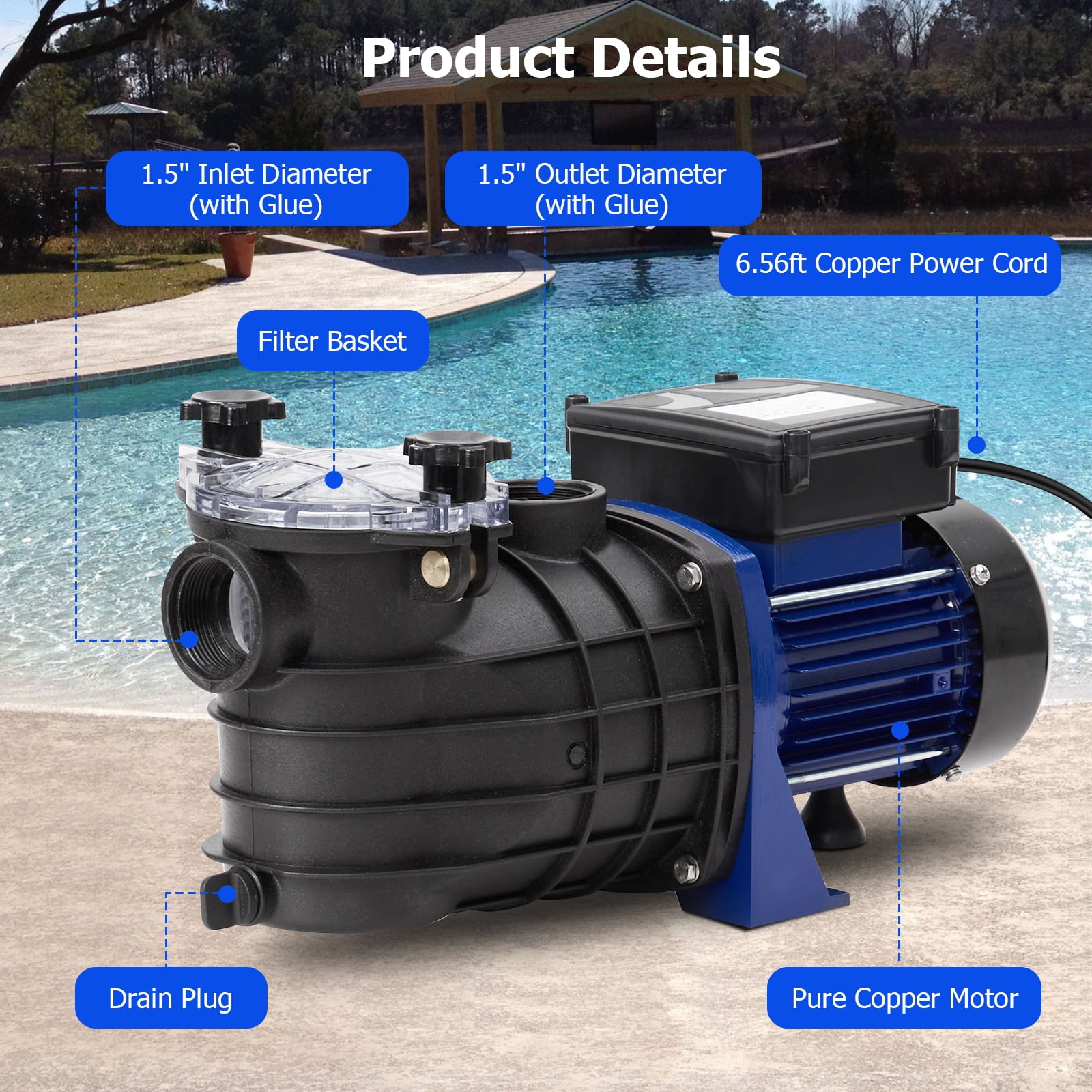
This is your classic workhorse. It runs at one, single speed – always on, always full throttle. Think of it like a car that only has one gear. It gets the job done, no doubt about it, and it's often the most budget-friendly upfront. However, because it's always running at maximum power, it can be a bit of an energy hog. If you're looking for simplicity and a lower initial cost, it's an option, but perhaps not the most economical in the long run.
2. The Dual-Speed Pump: A Step Up
Getting a bit smarter, are we? A dual-speed pump offers two settings: high and low. This is like having two gears in your car. You can run it on high for heavy cleaning or vacuuming, and then switch to low for general daily circulation. Running it on low uses significantly less energy, which is a big win for your electricity bill! It's a nice compromise, offering more control than a single-speed without the full complexity of our next contender.
3. The Variable-Speed Pump: The Smarty Pants of the Pool World
Okay, prepare to be impressed. If there's a "best" contender for most above-ground pools, it's often the variable-speed pump. Why? Because it’s like having a car with an infinite number of gears! This pump allows you to fine-tune the speed to exactly what your pool needs at any given moment. Need to backwash the filter? Crank it up! Just daily circulation? Dial it down to a whisper-quiet, super energy-efficient hum.
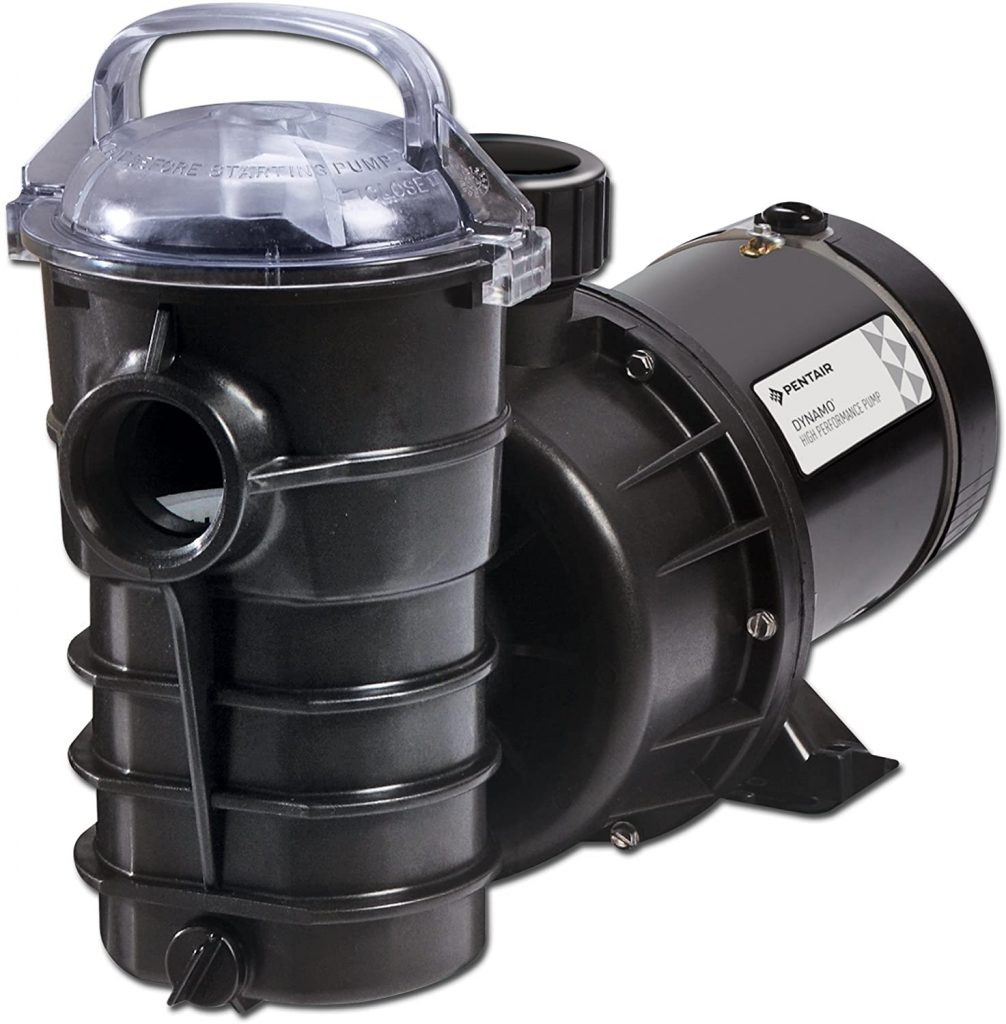
Imagine your old refrigerator running full blast all the time, compared to a modern, energy-efficient model that only kicks in when needed. That's the difference! Variable-speed pumps can reduce energy consumption by up to 90% compared to single-speed models. That's a serious chunk of change you'll save on your electricity bill over the years. Plus, they run much quieter, which is a huge bonus for backyard tranquility. Less noise, more Zen.
What Makes a Pump "The Best" for YOU?
While variable-speed pumps often win the crown for overall performance and savings, "best" is a personal journey. Here are a few things to consider:
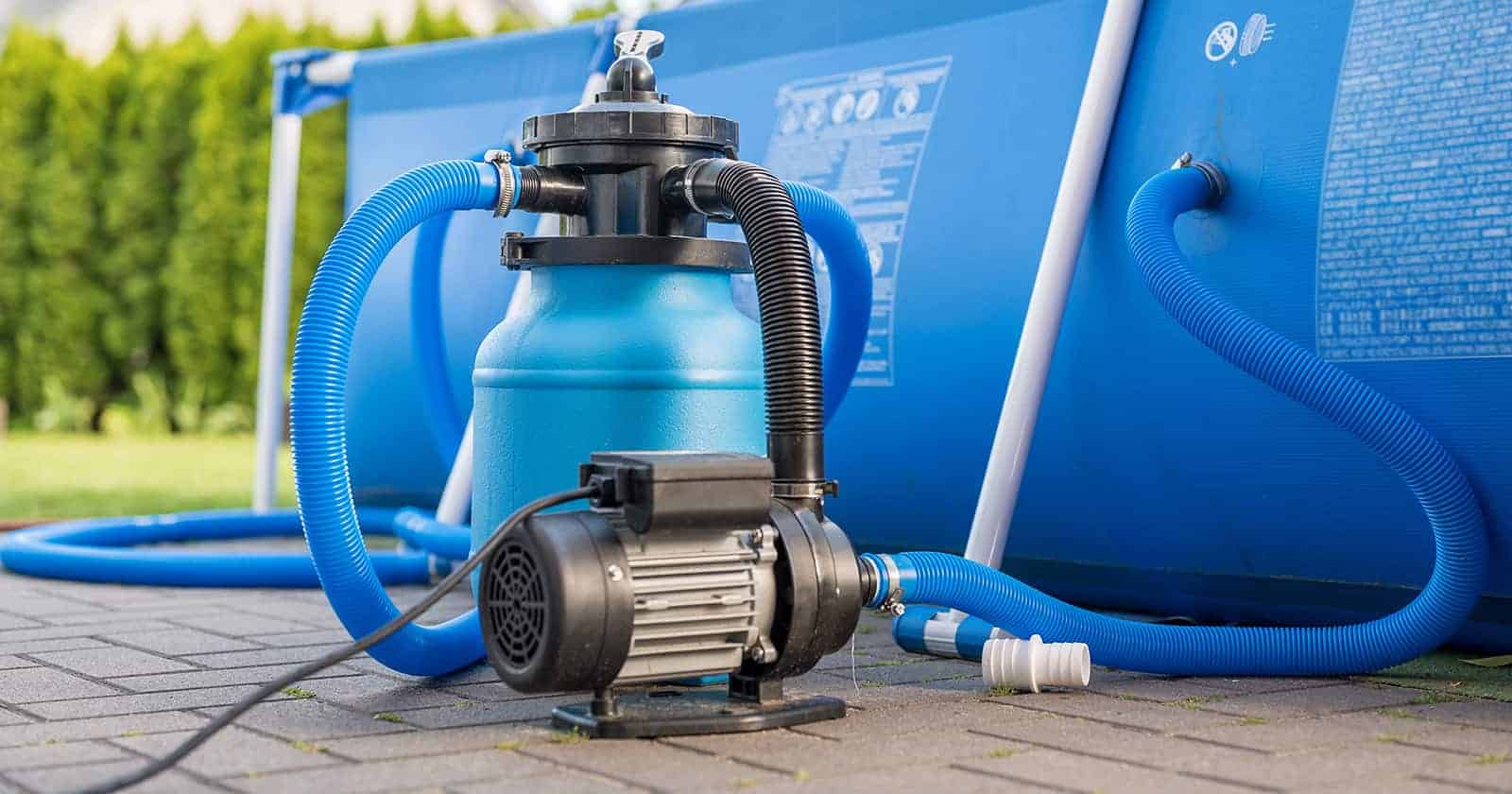
- Pool Size: This is crucial! A small kiddie pool doesn't need a monster pump, and a huge above-ground pool won't get clean with a tiny one. You need to match the pump's horsepower (HP) and flow rate (how many gallons per minute it moves) to your pool's volume and plumbing. Too big, and you waste energy and could damage your filter. Too small, and your water stays murky. It's like Goldilocks: you need it just right.
- Your Budget: Variable-speed pumps have a higher upfront cost, but their energy savings usually make them pay for themselves over time. Consider the long-term investment.
- Energy Efficiency Goals: If saving money on electricity and being eco-friendlier is high on your list, a variable-speed pump is your champion.
- Noise Level: Do you value peace and quiet in your backyard? Variable-speed pumps are significantly quieter, often running at barely a whisper.
When you're comparing, also look at things like reputable brands (Hayward, Pentair, Intex are common names), warranty, and ease of installation. A good pump should be built to last and have readily available parts if something eventually needs replacing.
The Verdict?
For most above-ground pool owners looking for the optimal balance of efficiency, quiet operation, and long-term savings, the variable-speed pump is often the hands-down winner. It’s an investment that pays dividends in sparkling water, lower energy bills, and a more peaceful backyard experience.
So, next time you're lounging by your pool, give a little nod to that hardworking pump. It's not just moving water; it's ensuring your summer days are filled with crystal-clear fun. Happy swimming!