
What Is The Average Thermostat Setting For Summer
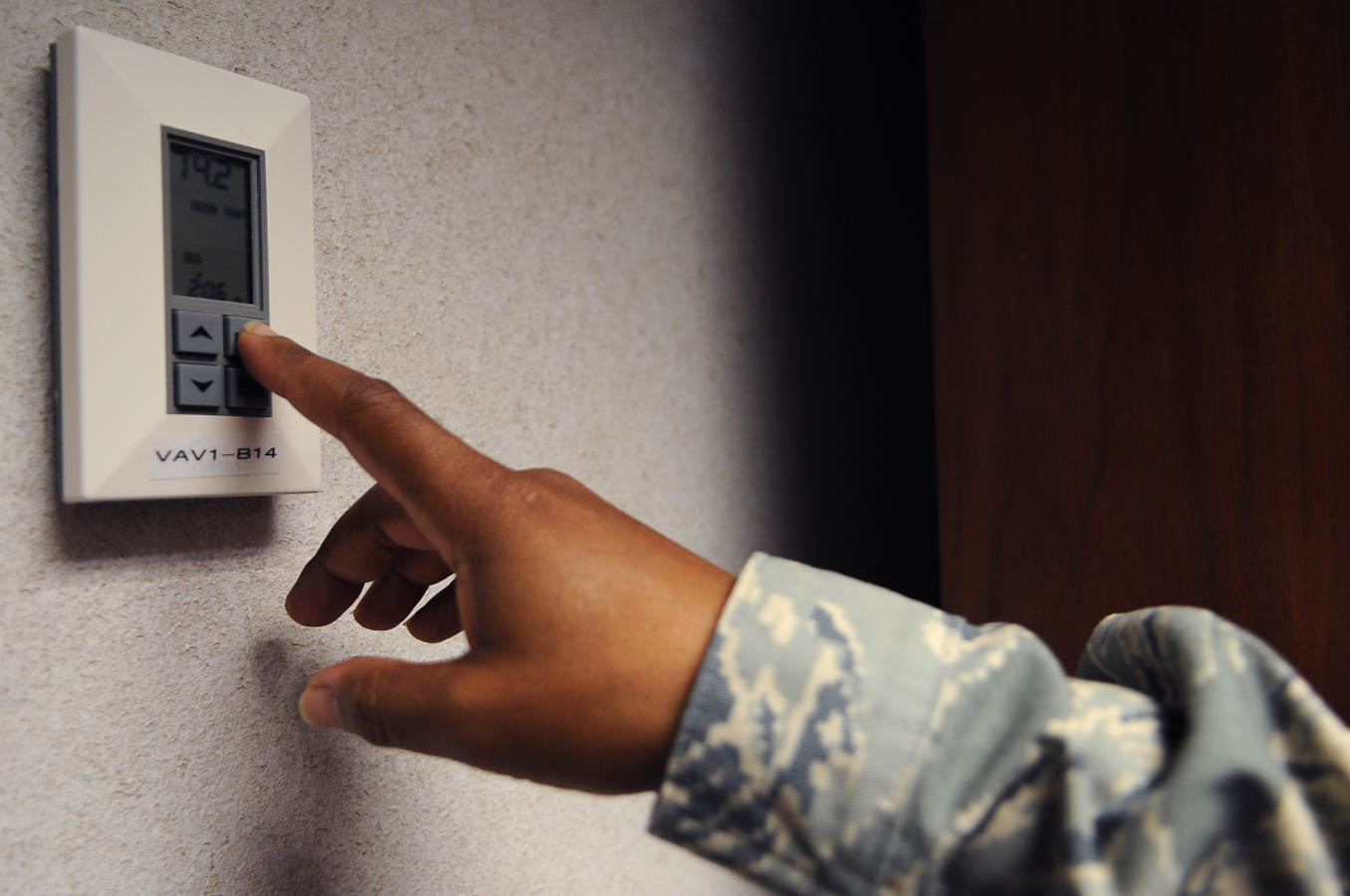
Ah, summer! The sun is shining, the days are long, and the ice cream truck is making its rounds. But along with all that warmth comes one of the great summer debates: what in the world should we set the thermostat to? It’s a question that can spark lively discussions, friendly (or not-so-friendly) family squabbles, and that familiar little pang of anxiety when the energy bill arrives.
You’re not alone if you’ve ever stood in front of that little box on the wall, hand hovering, wondering if you’re doing it right. It feels like there’s a secret handshake to summer cooling, doesn’t it?
The Great Thermostat Reveal: What’s the Magic Number?
So, let’s cut to the chase! What’s the average thermostat setting for summer that most people aim for? Drumroll please… Many energy experts and even the good ol’ Department of Energy suggest that a comfortable and efficient setting for your AC when you’re home during the summer is around 78 degrees Fahrenheit (25.5 Celsius).
Must Read
Surprised? A little warmer than you thought, perhaps? For many, the instinct is to crank it down to "arctic blast" levels the moment the mercury rises. But hold your horses! There’s a sweet science behind that 78-degree recommendation.
Why 78 Degrees? It’s All About Balance!
Think of it like Goldilocks finding her perfect porridge. 78 degrees isn’t too hot, and it’s certainly not too cold. It’s that lovely in-between where you can still feel the coolness of the air conditioning, but your unit isn’t working overtime like a marathon runner on an endless sprint.

Imagine walking into a room that’s 68 degrees when it’s 90 outside. Sure, it feels amazing for the first five minutes, but then you’re reaching for a blanket, maybe even regretting that impromptu trip to Antarctica. A 78-degree setting allows your body to adjust more naturally and stay comfortable without the need for a parka indoors. It’s about reducing the temperature difference between inside and outside, which is where your AC unit really puts in its hardest work.
Why Should You Even Care, Anyway? (Besides Family Harmony)
This isn't just about some arbitrary number or avoiding a "Thermostat Cold War" with your significant other (though that’s a pretty good reason!). There are some genuinely good payoffs for dialing in your summer settings.

Your Wallet Will Thank You (Seriously!)
Let’s be honest, this is usually the biggie! Every degree you lower your thermostat below the recommended setting can increase your energy consumption by 6 to 8 percent. Think about that for a second! Dropping it from 78 to 72 degrees means your AC is working significantly harder, and that translates directly into a fatter energy bill.
Imagine what you could do with that extra cash. A few more scoops of your favorite gelato? That fun new gadget you've been eyeing? Or maybe even putting it towards a little weekend getaway? My friend, Sarah, used to blast her AC, complaining about her bills. She finally tried 78, and guess what? Her next bill was noticeably lower. She told me, with a grin, "That's an extra movie ticket fund right there!" It's amazing how much difference a few degrees can make.
Be a Planet-Saving Superhero (Without the Cape!)
Beyond your bank account, there's a bigger picture: our beautiful planet. Air conditioning uses a lot of energy, and much of that energy comes from sources that contribute to carbon emissions. By being mindful of your thermostat setting, you're doing your part to reduce your carbon footprint. It’s like a tiny, personal act of heroism every day, without having to fight any villains (unless you count excessive heat!).

Imagine if everyone nudged their thermostat up just a couple of degrees. That collective effort would create a ripple effect, making a real difference. You get to feel good about keeping your home comfy and helping the environment. Win-win!
Comfort and Consistency: No More Indoor Shock!
Have you ever walked into a restaurant in summer that feels like a meat locker? You instantly get goosebumps, regret wearing shorts, and spend the whole meal shivering. It's jarring! Keeping your home at a more consistent, slightly warmer, but still cool temperature like 78 degrees helps avoid that "indoor shock" feeling. It creates a gentle transition from the outdoors, making your return home feel more like a welcome embrace than a frigid dive.
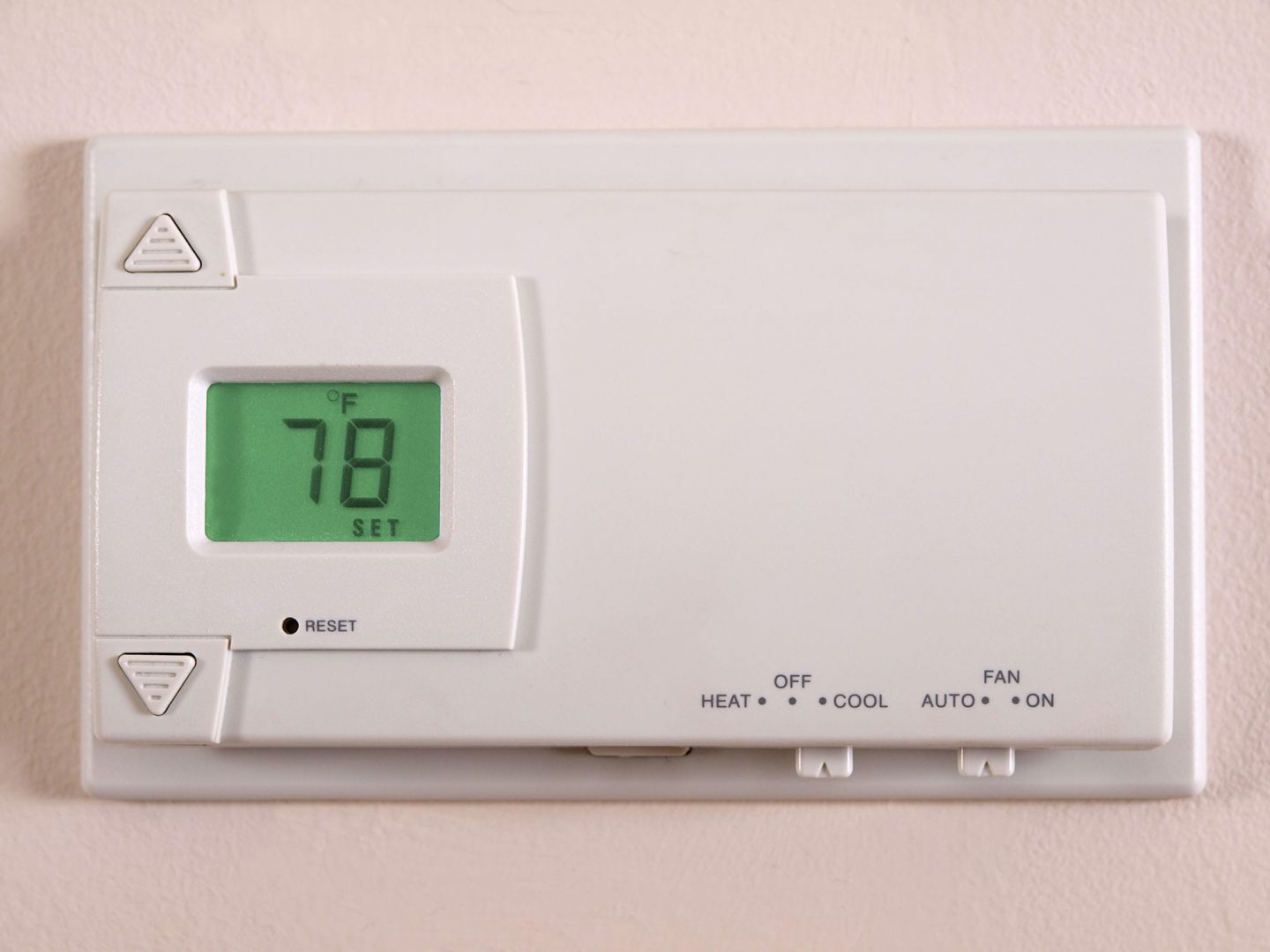
Plus, a less overworked AC unit tends to last longer and need fewer repairs. So, you’re also extending the life of your expensive equipment!
Tips for Finding Your Personal Summer Sweet Spot
Now, 78 is a great guideline, but everyone's comfort level is a little different. Here are a few friendly pointers to help you find what feels just right for your home:
- Experiment a Little: Try setting it to 78 for a day or two. If that feels a smidge too warm, try 77. If it's too chilly, nudge it to 79. Your body will tell you!
- Embrace the Fan: Ceiling fans and even portable fans are your best friends in summer. They don't cool the air, but they create a wind chill effect, making you feel several degrees cooler. My living room fan is basically a member of the family in July.
- Dress for the Season: Light, breathable clothing (even indoors!) makes a huge difference. Ditch the sweatpants and embrace the linen.
- Mind Your Windows: Keep blinds and curtains closed during the hottest parts of the day to block out solar heat. It’s like giving your house a giant pair of sunglasses!
- Smart Thermostats are Your Pal: If you have a smart thermostat, use its scheduling features. You can set it to be warmer when you’re out and then cool down just before you arrive home. It's like having a personal climate assistant!
Ultimately, the goal is to be comfortable without breaking the bank or the planet. The average of 78 degrees is a fantastic starting point for achieving that balance. So, go forth, adjust your thermostat with confidence, and enjoy a cooler, smarter, and perhaps even richer summer!