What Is The Asymptotic Run Time For Traversing All Nodes
Ever wondered how computers solve problems, especially big ones, with lightning speed? Or how search engines sift through billions of web pages to find exactly what you're looking for? A key concept behind these feats is understanding how the run time of an algorithm scales as the input grows. This is where the idea of asymptotic run time comes into play, and it's surprisingly fun to explore! It helps us predict how well a program will perform as the amount of data it processes increases. Think of it as a superpower for understanding efficiency.
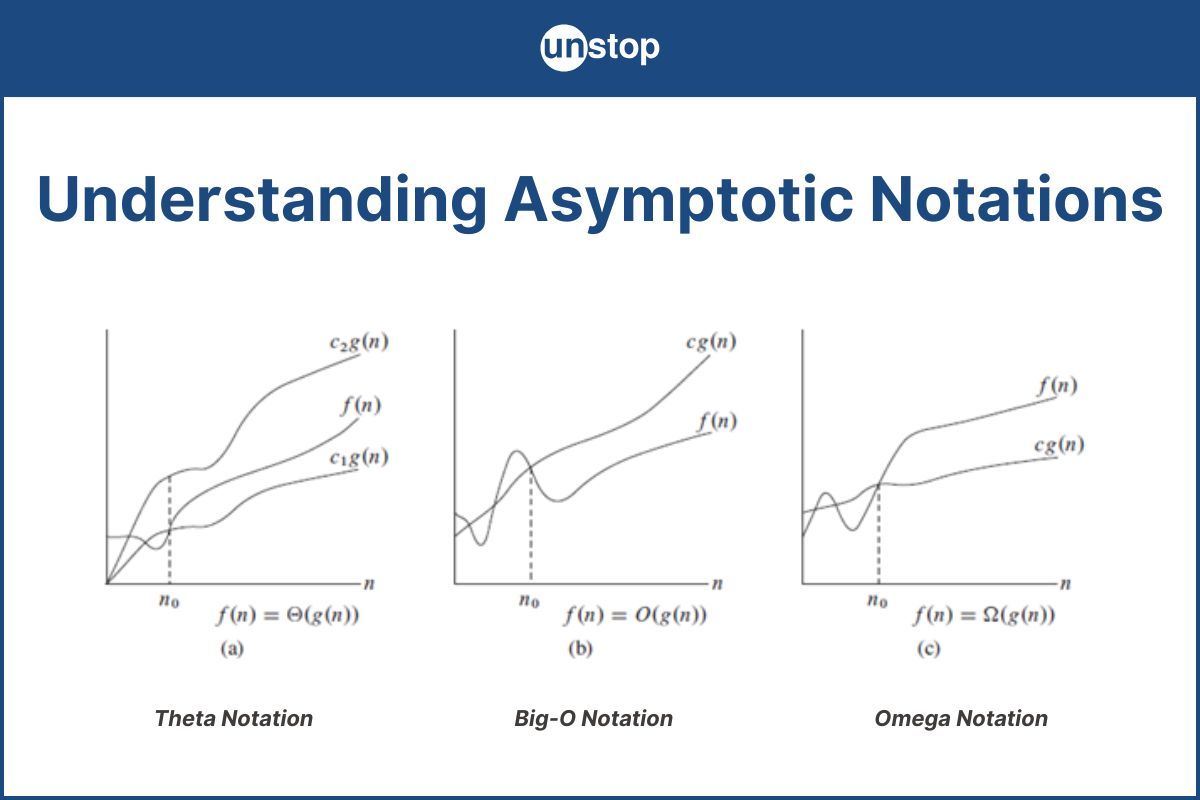
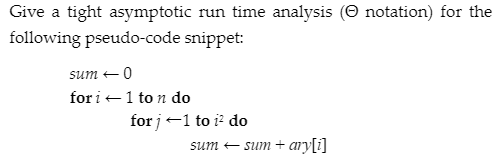
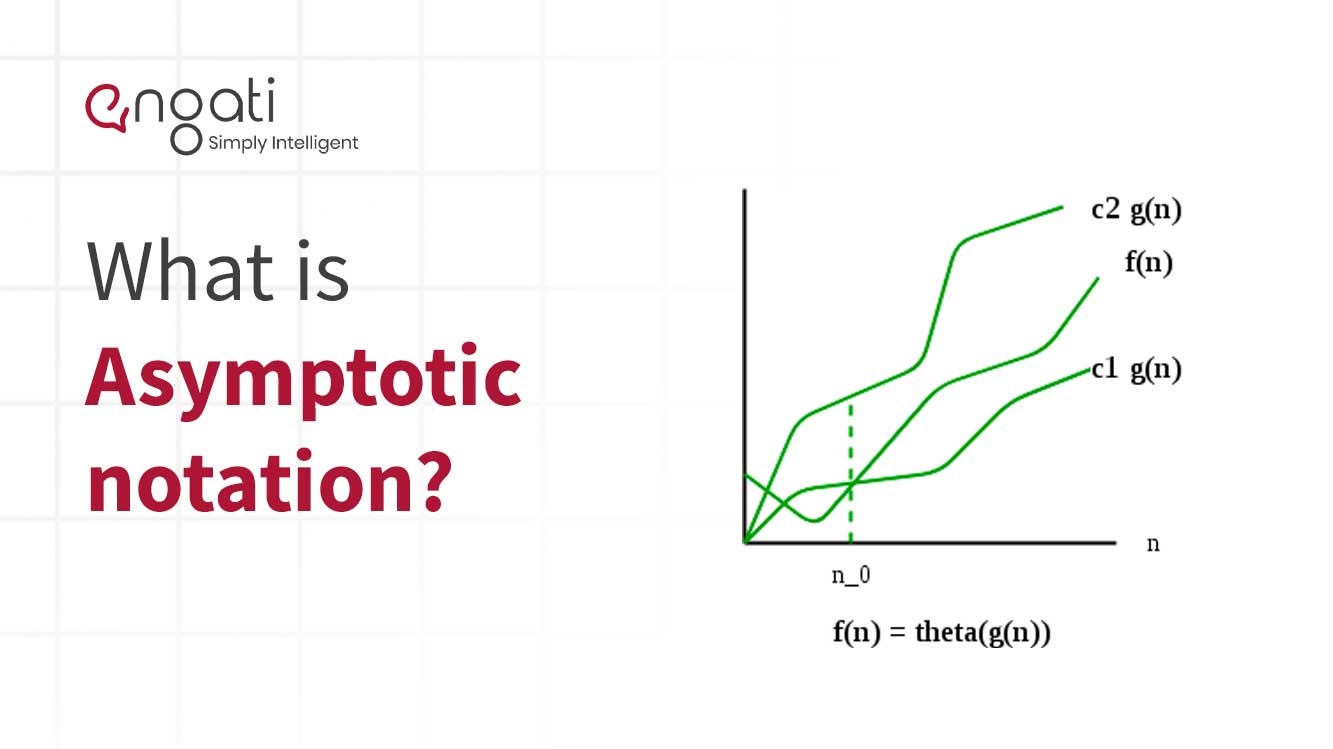
The purpose of asymptotic run time analysis is to provide a high-level description of an algorithm's efficiency, focusing on how it behaves as the input size approaches infinity. Rather than measuring exact execution time (which can vary depending on the hardware, programming language, and other factors), it uses Big O notation to categorize algorithms based on their growth rate. For example, an algorithm with a run time of O(n) (linear time) means that the time it takes to execute increases linearly with the input size (n). An algorithm with O(log n) (logarithmic time) means that the time it takes increases much slower as the input size grows.
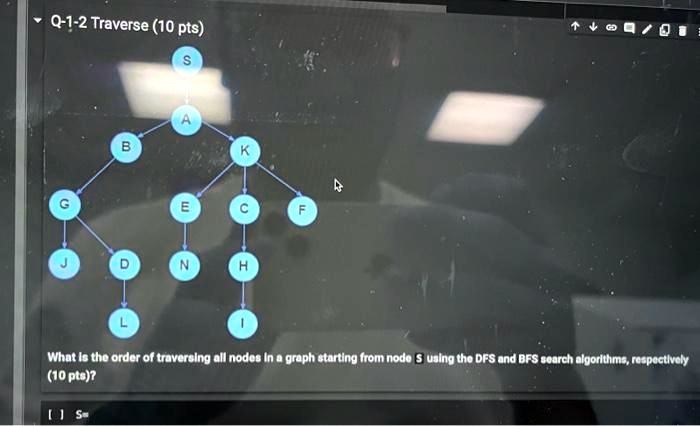
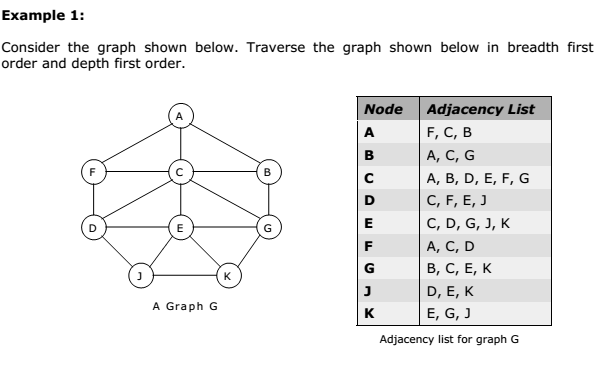
When we specifically talk about traversing all nodes in a data structure, such as a graph or a tree, the asymptotic run time depends on the structure and the traversal method used. For instance, if you have a linked list and need to visit every node, the run time would be O(n), because you have to touch each node once. Similarly, for a tree, algorithms like depth-first search (DFS) or breadth-first search (BFS) will visit each node exactly once, resulting in a run time of O(n), where n is the number of nodes. This holds true as long as you can access adjacent nodes in constant time (O(1)).
Must Read
Understanding asymptotic run time has practical benefits in many areas. In education, it's fundamental to computer science courses, allowing students to design and analyze algorithms effectively. In daily life, consider the recommendation systems used by streaming services. These algorithms process your viewing history (the input) to suggest what you might enjoy. Knowing that a more efficient algorithm, such as one with O(log n) run time (perhaps for searching a sorted list of movies), is used can significantly improve the user experience.
So how can you explore this concept further? A simple way is to experiment with code. Write functions to search through lists or traverse trees of varying sizes and measure the execution time. You can use online tools to visualize how different run times scale with increasing input. Another option is to study common algorithms, like searching and sorting algorithms, and identify their Big O complexity. Websites like GeeksforGeeks and Khan Academy offer accessible explanations and interactive exercises. Don't be intimidated by the math; start small, focus on the concepts, and you'll find that understanding asymptotic run time isn't just useful, it's fascinating!