
What Is Normal Carbon Monoxide Level

Okay, picture this: It’s a chilly Saturday morning, the kind where you just want to stay bundled up. You’ve got the gas fireplace roaring, maybe a burner going on the stove for your coffee, and you're just... chilling. Literally. And then, a few hours in, you start feeling a little off. A bit of a headache, maybe a wave of nausea, just generally sluggish. What’s your first thought? Probably something like, "Ugh, must be a bug," or "Didn't sleep enough," or "Too much screen time yesterday." Right? Because that’s what I’d think. And that’s exactly what makes this whole topic so darn tricky.
We're talking about Carbon Monoxide, or CO for short. And before you roll your eyes and think, "Oh, another safety lecture," stick with me. This isn't about fear-mongering; it's about peeling back the curtain on something truly insidious because, unlike that annoying cough or a screaming smoke detector, CO doesn't make a fuss. It's the silent, invisible, odorless, utterly tasteless ninja of gases. It sneaks in, replaces the oxygen in your blood cells, and before you know it, your brain isn't getting what it needs. Yikes, right?
So, What's "Normal" Carbon Monoxide Level?
This is where it gets interesting, and honestly, a little bit counter-intuitive. Because if you’re asking "What’s the normal CO level in my home?" the ideal, perfect, gold-standard answer is: zero. Zip. Nada. Nothing at all. But let’s be real, we don't live in a perfectly sealed, laboratory-grade bubble. There are trace amounts of CO floating around in the atmosphere all the time.
Must Read
Think about it: cars are driving by, industrial activities are happening, even natural processes contribute a tiny bit. So, outdoors, background levels are typically very low, often in the range of 0.1 to 5 parts per million (ppm). And at those levels? They're generally considered harmless. We're talking negligible, background noise.
But the moment we bring it indoors, things change. Suddenly, that "normal" outdoor background level becomes something we want to scrutinize a bit more closely. In your home, the goal is always to keep CO levels as close to zero as humanly possible. However, if you have gas-fired appliances – a stove, a water heater, a furnace, a fireplace – even when they're operating perfectly, they can produce tiny, trace amounts of CO. We're talking levels that might register around 1-2 ppm, maybe up to 5 ppm temporarily if you're standing right next to a burner. These are still considered very low and typically not a cause for alarm, assuming they don't persist or rise.

When "Normal" Takes a Nosedive into "Not Okay"
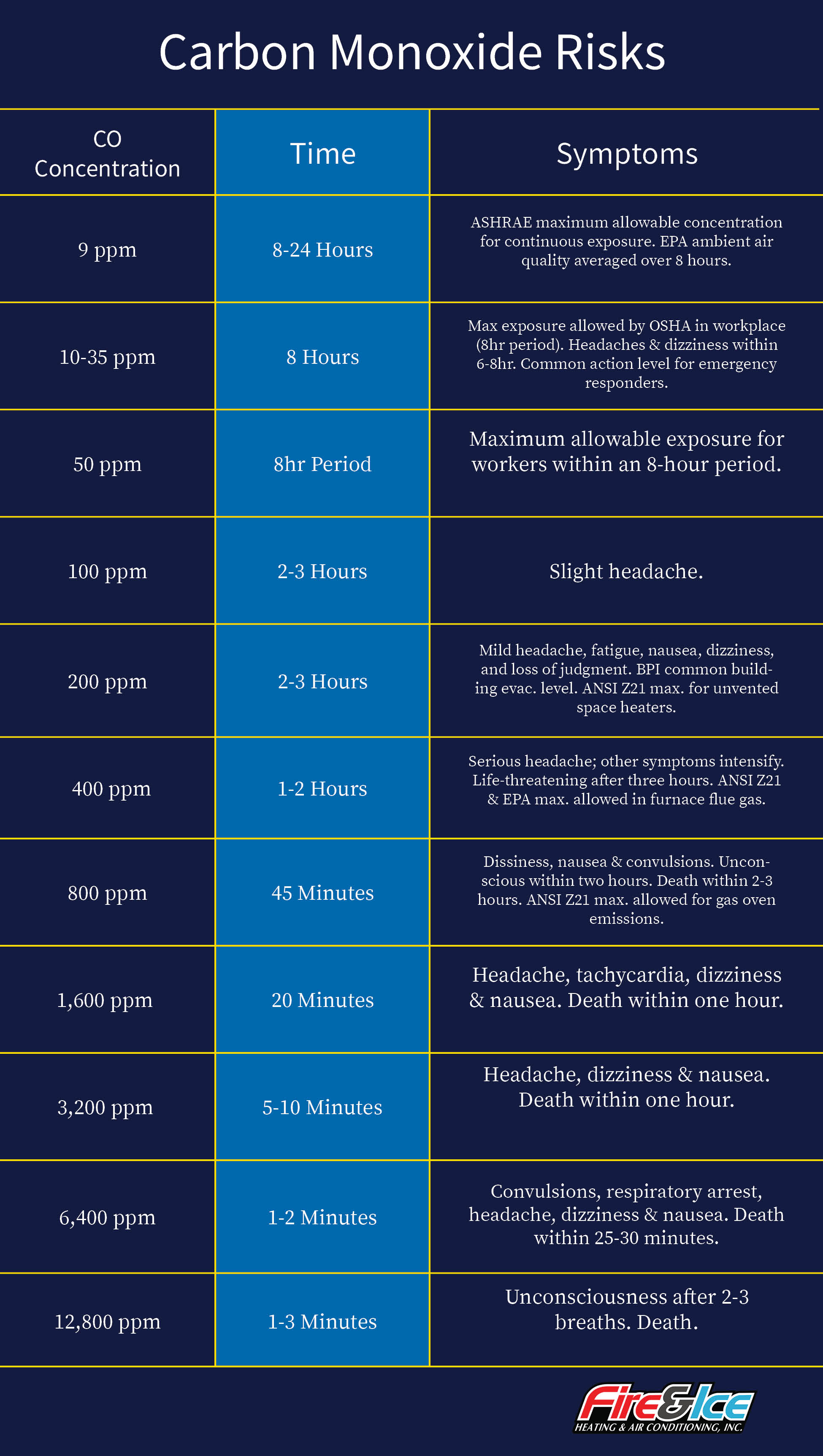
Here’s the rub: if you start consistently seeing levels above 9 ppm (parts per million) on your CO detector, or if those temporarily higher levels from an appliance don't dissipate quickly, then you've officially left "normal" territory and entered "pay attention, please!" land. And this is where that chilly Saturday morning story comes back into play.
At levels of 10 to 35 ppm, you might start experiencing those flu-like symptoms I mentioned: headaches, fatigue, dizziness, nausea. You might even just feel inexplicably grumpy or confused. The scary part? These symptoms are so generic, so easily brushed off as "just tired," that many people don't connect them to CO exposure. This is why it’s often called the "great imitator."
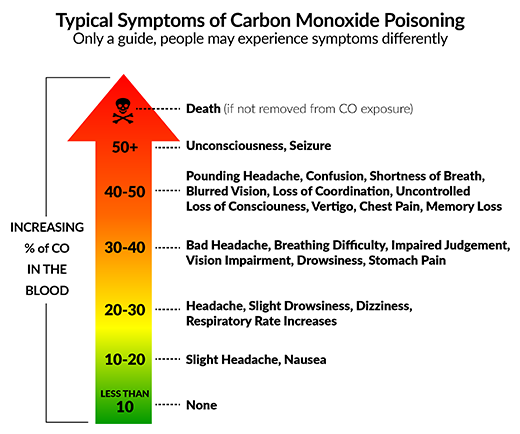
As the levels climb even higher, say to 50 ppm and above, the danger rapidly escalates. At 50 ppm, your CO alarm should be sounding a persistent alert. At 100 ppm, severe symptoms kick in. At 200 ppm, you're in a life-threatening situation. And higher still? Well, let’s just say it’s not a situation anyone wants to be in. Fast, decisive action is needed if your detector goes off. We're talking evacuate immediately and call 911 or your local fire department.
Your Best Friend: The CO Detector
So, how do you keep tabs on this invisible menace? Simple: a Carbon Monoxide detector. And no, it’s not the same as a smoke detector, though many modern units combine both. These little gadgets are your home’s nose, sniffing out CO long before you ever would. They don't just alert you to critical, life-threatening levels; a good one will even display lower ppm readings, giving you an early heads-up that something isn't quite right.
Think of it as your personal CO meter. Seeing a consistent "0" on your display? Fantastic! Seeing a "3" or "5" briefly when you’re cooking? Okay, that might be normal. But if that number starts to creep up and stay there, or if your alarm ever sounds for more than a quick test, don't ignore it. Your life, and the lives of those you love, could depend on it. It's truly one of those "better safe than sorry" situations, folks.
Keepin' It Safe
So, while a truly "normal" CO level in your home is ideally zero, we acknowledge that trace amounts can exist. The key is to be proactive. Get your fuel-burning appliances (furnace, water heater, stove, fireplace) checked annually by a qualified technician. Make sure vents and flues aren't blocked. Never, ever run a generator or grill indoors, even in a garage with the door open – seriously, don't do it. And most importantly, install CO detectors on every level of your home, especially near sleeping areas, and test them regularly.
Because ultimately, when it comes to Carbon Monoxide, the only "normal" we want to settle for is the lowest possible amount. Stay curious, stay safe, and let those detectors do their incredibly important job!
