
What Is Myeloid Precursors Abs Auto

Ever wonder where your blood cells come from? I mean, really come from? It's not like a stork delivers them, right? (Though, imagine tiny storks delivering platelets... that's a mental image I'm not sure I needed.) The truth is, they're all manufactured deep inside your bones, in the magical land of bone marrow!
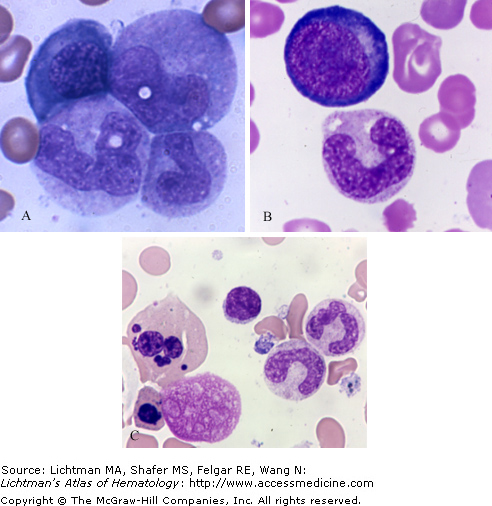
And the VIPs of this blood cell factory? The ones who started it all? Those are the Myeloid Precursors. Think of them as the "original recipe" for a whole bunch of crucial blood cells – the neutrophils (your infection-fighting ninjas!), monocytes (the cleanup crew!), eosinophils and basophils (specialized immune responders!), and even the red blood cells that carry precious oxygen throughout your body!
Now, sometimes things go a little haywire in our bodies. It's like when your favorite recipe goes wrong because you accidentally added salt instead of sugar (been there, done that!). And sometimes, our immune system, usually a super helpful bodyguard, gets a little overzealous. It starts making antibodies – tiny little proteins designed to attack invaders, like viruses or bacteria. But, on very rare occasions, it mistakenly identifies those innocent Myeloid Precursors as the enemy. Whoops!
Must Read
That's where the "Abs" part comes in. "Abs" stands for antibodies. So, we're talking about antibodies that are specifically targeting these Myeloid Precursors. It's like your immune system has developed a vendetta against the very cells that are supposed to be making your disease-fighting army!
This is where the "Auto" part becomes important. "Auto" means "self." So, "Auto Abs" means that the antibodies are attacking something that's part of yourself! It's like a civil war inside your body. Not ideal, right?

Putting it all together, "Myeloid Precursors Abs Auto" basically means that your body is producing antibodies that are attacking your own bone marrow cells – specifically, the cells that are supposed to be making important blood cells. Talk about friendly fire!
So, how do we find out if this is happening? Well, doctors have tests for that, naturally! They can take a blood sample and see if those pesky antibodies are present. It's a bit like detectives searching for clues at a crime scene (except the crime scene is inside your blood!).
Why would anyone get these autoantibodies, you might ask? That's a tricky question, and honestly, the answer is often "we don't know for sure!" Sometimes it's linked to other autoimmune disorders, like lupus or rheumatoid arthritis. Other times, it just... happens. Bodies are weird, complicated, and occasionally decide to wage war on themselves for no apparent reason.

The Good(ish) News?
While having your own immune system attack your bone marrow doesn't sound particularly fun (and it isn't!), the good news is that this is often treatable! Doctors have various tools at their disposal, from medications that suppress the immune system (essentially telling it to chill out and stop attacking itself) to, in more severe cases, procedures like bone marrow transplants (replacing the faulty bone marrow with healthy stuff!).
Think of it like this: Your body is a garden, and the bone marrow is where you grow all your flowers (blood cells). If weeds (autoantibodies) start choking the flowers, you need to pull those weeds and maybe even replant some new, healthy flowers. It might take some time and effort, but you can definitely get your garden back in bloom!
The important takeaway here is that even when things seem a little strange and your immune system is acting out, there are often ways to help. Modern medicine is pretty amazing, and doctors are like expert gardeners, ready to nurture your body back to health. So, if you're ever concerned about your blood cell production or anything autoimmune-related, don't hesitate to talk to your doctor. They're the best resource for understanding what's going on and developing a plan to keep your internal garden thriving!
And remember, even in the face of complex medical stuff like Myeloid Precursors Abs Auto, a little humor and a lot of hope can go a long way!
Disclaimer: This article is for informational purposes only and should not be considered medical advice. Always consult with a qualified healthcare professional for diagnosis and treatment.