
What Is Lead Metal Used For
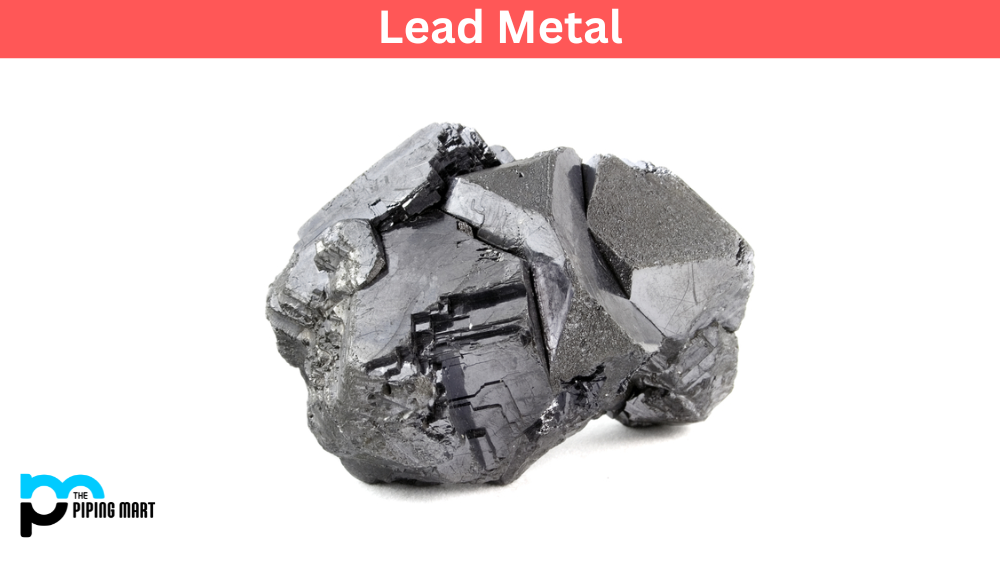
Have you ever wondered about the incredible story of everyday materials? Some metals have truly fascinating tales to tell, full of surprises and a long history. Today, let's chat about a metal that's been around the block, playing many roles – lead.
It might not be the flashiest element, but lead has some genuinely special properties that made it a star for centuries. Think of it as the quiet, super-strong friend who always gets the job done. It's truly a metal with a captivating past!
The Heavyweight Champion
One of lead's most famous superpowers is its incredible heaviness. This metal is dense, meaning a small piece feels surprisingly weighty in your hand. This trait has made it indispensable for things that need to stay put or sink.
Must Read
Picture a fishing line: that little weight helping your bait dive deep into the water? Often, that's lead! Its heft ensures your line casts further and reaches the fish quickly. It’s like a tiny anchor for your fishing adventures.
Beyond fishing, lead has been the unsung hero in balancing. Car wheels, for example, often had tiny lead weights attached to keep them perfectly balanced. This helped ensure a smooth, safe ride, reducing wobbles on the road.
It also served as ballast in ships, tucked away to keep mighty vessels stable in choppy seas. Without lead's incredible density, many seafaring journeys might have been a lot rockier. It truly helped ships ride the waves with grace.
The Soft Touch of a Metal
Another special quality of lead is its surprising softness. Unlike many hard, stubborn metals, lead is quite pliable and easy to shape. You can bend it, hammer it, and even cut it with relative ease.

This softness made it a dream for artisans and builders in the past. Imagine needing to create intricate patterns or fit pipes around awkward corners. Lead could be coaxed into almost any form.
Historically, this property meant lead was used for things like plumbing pipes. The Romans, famous for their engineering, extensively used lead pipes to bring water into their cities. It was a marvel of ancient infrastructure!
Even in art, lead found its niche. Think of those beautiful stained-glass windows in old cathedrals. Delicate pieces of colored glass are held together by thin strips of lead, called cames. These lead strips could be bent to follow the curves of any design, creating breathtaking mosaics of light.
Melting Away: A Low-Temperature Star
Lead also boasts a wonderfully low melting point. This means it doesn't take extreme heat to turn solid lead into a liquid. This property opened up a whole world of possibilities for casting and joining.
For centuries, this made lead a go-to for solder, a metal alloy used to join other metals. Think of old radios or circuit boards; tiny wires were often connected using lead-based solder. It created strong, reliable electrical bonds.
The world of printing owes a lot to lead too. The individual letters (typefaces) used in traditional printing presses were often cast from lead alloys. Its low melting point meant printers could easily melt and reuse the metal, making book production far more efficient.
"Lead’s low melting point and excellent casting properties made it ideal for the production of printing type."It truly revolutionized how information was shared, allowing for mass production of books and newspapers. This humble metal helped spread knowledge across the globe!
The Silent Protector: Corrosion Resistance
Believe it or not, lead is also incredibly resistant to corrosion. It doesn't rust away easily like iron or get eaten by acids quickly. This protective quality made it perfect for jobs where durability was key.
One of its most enduring modern uses is in car batteries. Inside those powerhouses, lead plates react with acid to generate electricity. Lead's resistance to corrosion means these batteries can reliably start our cars for years.

Historically, lead was also used to sheath underground electrical cables. It formed a protective barrier, keeping moisture and other damaging elements away from the wires. It was like a durable suit of armor for vital connections.
Even on rooftops, you might spot lead in action. As flashing, thin sheets of lead are used around chimneys and vents to create a watertight seal. It gracefully deflects rain and snow, protecting your home for decades.
Lead's True Superpower: Radiation Shielding
Now, for what many consider lead’s most impressive and "special" superpower: its ability to block radiation. This dense metal is incredibly effective at stopping X-rays and gamma rays.
When you go for an X-ray at the dentist or doctor, you might wear a heavy lead apron. That apron is there to protect you from stray radiation, thanks to lead's fantastic shielding properties. It's a lifesaver in modern medicine.
In places like nuclear power plants or research labs, thick lead walls and containers are essential. They act as a vital barrier, keeping workers safe from harmful radiation. It's a silent guardian, working tirelessly to protect us.

"Lead is a common shield against X-rays and gamma rays because of its high density and atomic number."This unique ability makes lead an indispensable material in highly specialized fields. It truly has a heroic role in ensuring safety in critical environments.
A Metal with a Legacy
From ancient Roman pipes to the batteries in our cars, lead has had an astonishing journey through human history. Its unique combination of density, softness, low melting point, and shielding capabilities made it a material of choice for countless innovations.
Of course, like many powerful things, lead needs to be handled with respect. We've learned a lot about its properties over time, and its use is now carefully managed due to health considerations. Many historical applications have been replaced by safer alternatives.
Yet, we can still marvel at its remarkable story and appreciate the special qualities that once made it such a versatile and crucial material. It reminds us how deeply entwined metals are with our progress and innovation.
So, next time you see a fishing weight or hear about a car battery, give a nod to lead. It’s a metal with a truly unique legacy, full of special powers that shaped the world around us. It's a fascinating element to learn more about!