
Which Way For A Fan To Cool

Alright, let's get chatty about something we all know and love (especially when the mercury climbs): the humble fan! It’s that whirring wonder, a simple gadget, but boy, does it spark some serious debate. We've all been there, right? Staring at it, sweat beading, wondering, "Which way should this thing even face?" Is it a delicate art? A science? Or just a cosmic mystery?
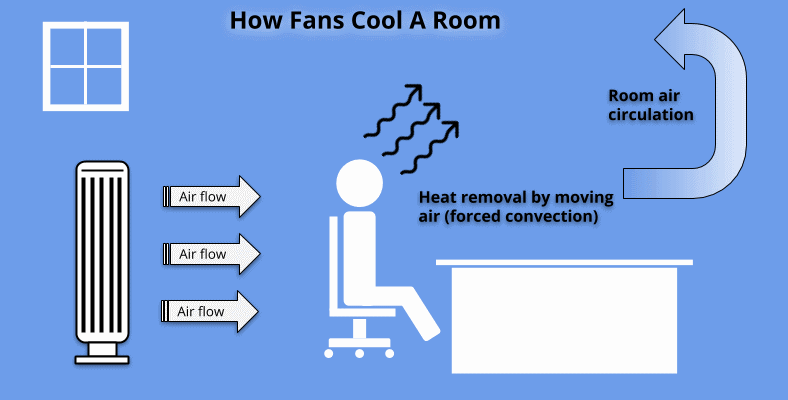
First off, let's bust a myth right out of the gate. Your fan, bless its cotton socks, isn't actually making the air colder. Nope! It's not an air conditioner, no matter how much we plead with it. A fan is a master of one thing: moving air. Think of it as a tiny personal wind god, creating breezes where there were none. So, how does moving air make you feel cool?
The Magic of Evaporation (and Why Fans Feel So Good)
It’s all about evaporation. Your body is a brilliant heat-regulating machine, and when you get hot, you sweat. That sweat, sitting on your skin, needs to evaporate to carry heat away from you. A fan speeds up this process like nobody's business! That delightful breeze whisks away the humid air right around your skin, allowing more sweat to evaporate faster. It’s like magic, but, you know, science magic. So, when the fan is blowing directly on you, that's why you feel that instant, glorious relief. You're basically getting a personal evaporative cooler! This is the simplest "which way": straight at you!
Must Read
Cooling a Room: Now It Gets Strategic!
But what if you're not just trying to cool yourself down, but an entire sweltering room? This is where the plot thickens, my friend! This isn't about personal comfort anymore; it's about air circulation and exchange. And trust me, there are some quirky, smart moves you can pull off.
Option 1: Blowing the Cool In!
Let's say it's evening. Your house is a sauna, but the air outside has finally decided to be a decent human being and cool down. This is your moment! Place a fan (or several!) in a window, facing inward. What are you doing? You're actively pulling that lovely, cooler outside air into your hot room. It's like sending in the cavalry to rescue you from the heat dungeon. This works best when the air outside is definitely cooler than the air inside. Don't try this in the middle of a scorching afternoon unless you enjoy oven-like conditions.
Option 2: Kicking the Hot Air Out!
Now, flip the script. Maybe it’s still stifling hot inside, and you just want to get rid of that stale, stuffy warmth. Or perhaps you've been cooking up a storm, and the kitchen air is thick with delicious (but hot!) aromas. Here, you want your fan to face outward, pushing air out of the room. This creates a sort of negative pressure, actually drawing in air from other cracks and crevices – or, ideally, from another open window on the opposite side of the house. You're literally evicting the heat, sending it packing! It's a surprisingly satisfying feeling, like telling your uninvited hot air guest to hit the road.
The Master Move: Cross-Ventilation!
Want to feel like an absolute cooling genius? Combine these strategies for cross-ventilation! Place one fan blowing in at one window (drawing in cool air), and another fan blowing out at an opposite window (or even just an open door) in another room. You’re creating a magnificent, deliberate air highway right through your home. This is the big kahuna, the secret handshake of serious fan enthusiasts. It’s effective, it’s efficient, and it makes you feel incredibly smart.
Ceiling Fans: The All-Year Champions
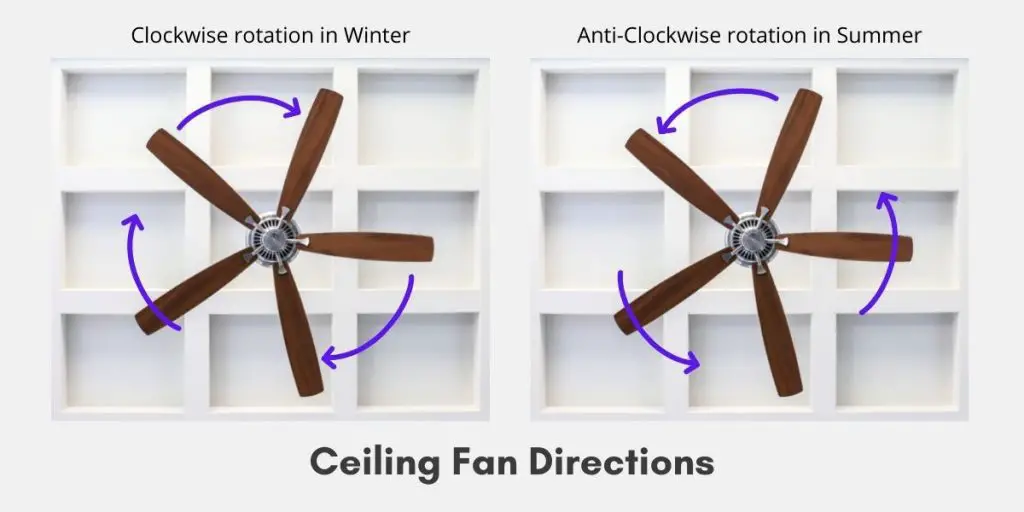
Don't forget the ceiling fan, the elegant, silent hero! In summer, it should spin counter-clockwise, pushing air downward to create that wonderful, personal breeze. But here’s a quirky fact: in winter, you can often reverse its direction (spinning clockwise) and lower the speed. This gently pulls cool air up, pushing warm air (which naturally rises) back down along the walls. It won't dramatically heat the room, but it helps distribute existing heat more evenly. Clever, right?
A Few More Quirks & Cool Ideas
What about the old "ice in front of the fan" trick? Does it work? A little! The fan blows over the ice, picking up some chilled air, and creating a slightly cooler breeze. It’s a temporary fix, a fun hack for a really sticky moment, but don't expect Arctic temperatures! And sometimes, simply placing a fan in a doorway, blowing air from a cooler part of the house to a warmer one, can make a surprising difference.
So, there you have it! The fan isn't just a simple spinner of blades. It's a strategic tool, a mini climate controller in your hands. Understanding which way for a fan to cool isn't just about feeling better; it’s about a fun dive into simple physics and practical home comfort. Go forth, my friend, and fan wisely!
:max_bytes(150000):strip_icc()/ceiling-fan-rotate-direction-1907533-v4-5ba94e6346e0fb002576cebf.png)
