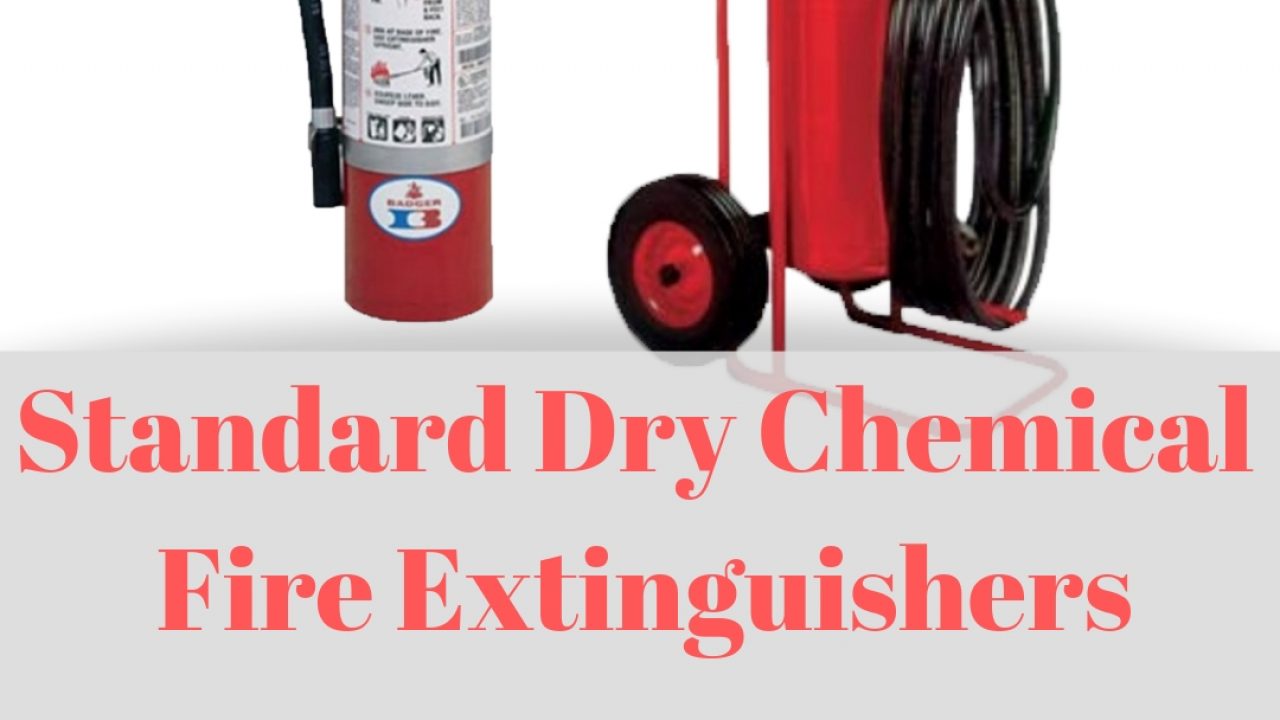
What Is Dry Chemical Fire Extinguisher Used For

Let's talk about something incredibly important, yet often overlooked until disaster strikes: fire safety. Now, before your eyes glaze over, hear me out! Understanding the tools that keep us safe from fiery mishaps can actually be pretty fascinating, and dare I say, empowering. Today, we're diving into the world of the unsung hero of many a household, office, and workshop: the dry chemical fire extinguisher. This isn't just a red cylinder on the wall; it's a vital piece of equipment that could be the difference between a small scare and a major catastrophe.
So, what exactly is this marvel of modern safety? Imagine a pressurized container filled with a super-fine powder – that's your dry chemical extinguisher! Most commonly, you'll encounter two main types: ABC extinguishers, which use monoammonium phosphate, and BC extinguishers, which often contain sodium bicarbonate or potassium bicarbonate. The "ABC" and "BC" refer to the types of fires they're equipped to tackle, making them incredibly versatile and a true all-rounder in the battle against blazes.
How does this magical powder work its wonders? It's all about physics and chemistry! When you discharge a dry chemical extinguisher, the powder rapidly covers the burning material. This has two primary effects: First, it acts as a blanket, physically separating the fuel from the oxygen in the air, thereby smothering the fire. No oxygen, no fire! Second, especially with ABC powders, the chemicals interfere with the chemical chain reaction of the fire itself. They essentially break the fire's ability to sustain itself, leading to a rapid and effective knockdown. It's like pulling the plug on a runaway train – fast and decisive.
Must Read
The purpose and benefits of dry chemical extinguishers are extensive, making them a cornerstone of general fire protection. Their primary strength lies in their versatility. An ABC extinguisher can tackle:
- Class A fires: Ordinary combustibles like wood, paper, cloth, and plastics.
- Class B fires: Flammable liquids such as gasoline, oil, paint, and grease.
- Class C fires: Electrical fires involving energized electrical equipment.
While incredibly effective, it's worth noting that dry chemical extinguishers do leave behind a dusty, corrosive residue that requires cleanup. For sensitive electronics or highly corrosive environments, other specialized extinguishers might be preferred. However, for sheer all-around protection against common fires, especially in residential, automotive, or industrial settings, the dry chemical extinguisher is a superstar. Knowing about this trusty tool empowers you to act swiftly and confidently should a small fire ever try to get out of hand. So, give a nod to that red cylinder next time you see it; it's quietly ready to save the day!