
What Is Cognitive Complexity In Communication

Ever have a conversation that felt like wading through molasses? Or maybe one that just zoomed right over your head, leaving you wondering if everyone else was speaking a secret language? That, my friends, might have something to do with cognitive complexity in communication. But what exactly is it? Don't worry, we're going to break it down in a way that's easier to digest than a perfectly ripe avocado.
The Mystery Unveiled: Decoding Cognitive Complexity
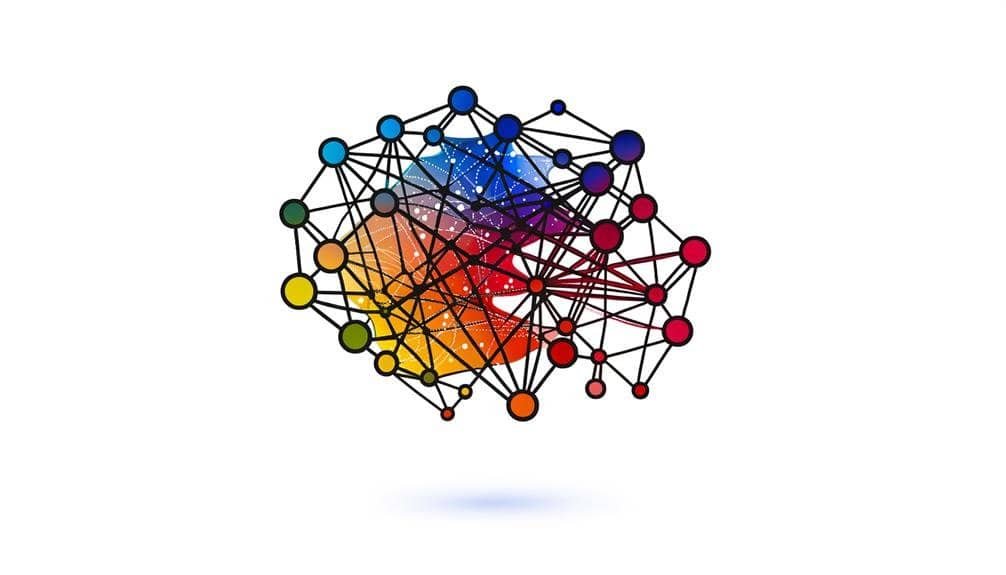
Think of cognitive complexity like the gears inside your brain, specifically when processing information and interacting with others. It's basically how intricately you can understand and interpret the world around you, especially when it comes to social interactions. The more gears you have, and the more smoothly they turn, the more nuanced your understanding. Simple as that!
Instead of just seeing things in black and white, you start noticing the shades of gray. You can see multiple perspectives, understand subtle nuances, and generally grasp the bigger picture of a situation. Cool, right?
Must Read
Why is this important? Well, imagine two people arguing about, say, the best flavor of ice cream. Someone with low cognitive complexity might just dig their heels in, declaring "Vanilla is the best! End of story!" They might struggle to understand why someone else could genuinely prefer chocolate or strawberry.
But someone with high cognitive complexity might think, "Okay, I love vanilla, but I get why someone else might like chocolate. It's richer, has a different texture... Plus, some people have childhood memories associated with chocolate ice cream that make it extra special for them." See the difference? They can step outside their own viewpoint and appreciate other possibilities.
Beyond Ice Cream: Real-World Impact
So, it’s not just about ice cream. Cognitive complexity plays a huge role in all sorts of aspects of life. Think about:
- Relationships: Can you understand your partner's needs, even when they're different from your own? Can you navigate conflicts with empathy and understanding? High cognitive complexity helps you be a more supportive and understanding partner.
- Workplace: Are you able to understand complex projects, collaborate with diverse teams, and see the bigger picture of your company's goals? Cognitive complexity is a major asset in leadership and problem-solving.
- Social Issues: Can you understand different perspectives on complex issues like climate change, poverty, or social justice? Cognitive complexity allows you to engage in more meaningful and productive conversations.
It's Not About Being "Smarter," It's About Thinking Differently
Now, it's important to note that cognitive complexity isn't necessarily the same as intelligence. You can be brilliant but still struggle to see things from other people's points of view. It's more about how you process information, not how much information you have. Think of it like having a super-powerful computer, but only being able to run one program at a time. Cognitive complexity allows you to run multiple programs, juggle different tasks, and integrate information in a more sophisticated way.
Is it something you're born with? Not entirely. While some people might naturally be more inclined towards complex thinking, it's also something you can develop over time!
Level Up Your Thinking: How to Boost Your Cognitive Complexity
So, how do you become a cognitive ninja? Here are a few tips:
- Read Widely: Expose yourself to different perspectives and ideas. Read books, articles, and blogs on topics you know little about. Challenge your own assumptions.
- Engage in Debates: (Respectfully, of course!) Try to understand the opposing viewpoint. Even if you don't agree, try to see where the other person is coming from.
- Travel and Experience New Cultures: Immersing yourself in different environments and cultures can broaden your horizons and challenge your worldview.
- Practice Empathy: Actively try to understand other people's emotions and perspectives. Put yourself in their shoes.
- Reflect on Your Own Thinking: Be aware of your own biases and assumptions. Ask yourself why you believe what you believe.
Think of your brain as a muscle. The more you exercise it with complex thinking, the stronger it will become!
Why Is This All So Cool?
Honestly, understanding cognitive complexity is cool because it gives you a deeper understanding of yourself and the world around you. It helps you become a better communicator, a more empathetic friend, and a more effective problem-solver. And who doesn't want that? It’s like unlocking a secret level in the game of life, giving you access to richer, more meaningful experiences and connections. So go forth, explore, and embrace the complexity!
