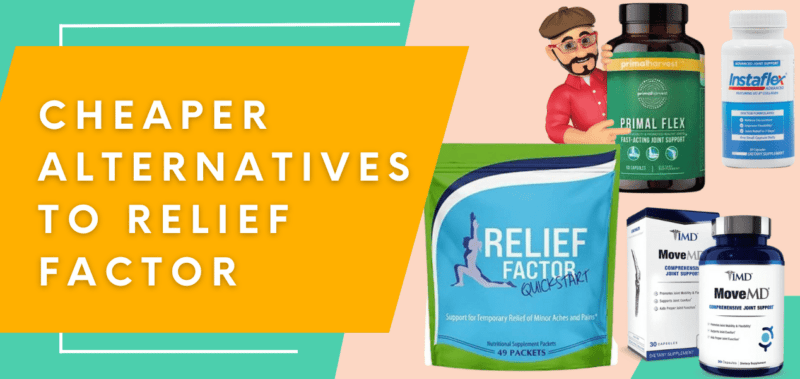
What Is Better Than Relief Factor

Okay, picture this: I'm at my niece's birthday party, surrounded by bouncy castles and sugar-crazed kids. Suddenly, I bend down to pick up a stray balloon, and BAM! My back just...locks. I'm talking full-on, "I need a crane to get me off the floor" kind of pain. Cue the well-meaning (but ultimately unhelpful) advice, including, of course, someone suggesting Relief Factor. Because, apparently, everyone and their grandma are taking it, right?
And that got me thinking. Relief Factor is everywhere. The ads are relentless. But is it really the be-all and end-all for joint pain and inflammation? Or are there, dare I say, things that might actually be… better? Let's dive in, shall we?
The Relief Factor Hype
First off, let's acknowledge that Relief Factor isn't snake oil. It's a combination of ingredients – including fish oil, turmeric, and other botanical extracts – that can have anti-inflammatory properties. But (and this is a big but), the effectiveness varies wildly from person to person. Think of it like this: what works for your best friend's creaky knees might do absolutely zilch for your aching back.
Must Read
And let’s be honest, the price point isn't exactly wallet-friendly, is it? Especially when you consider that you need to take it consistently to potentially see any results. That’s a serious commitment, both in time and money.
So, What Is Better?
Here's the thing: there's no magic bullet (sorry to burst your bubble). Managing pain and inflammation is usually a multi-faceted approach. Instead of relying solely on one supplement, consider these alternatives (or, even better, combine a few!):

- Diet and Lifestyle: Okay, I know, you've heard it all before. But a healthy diet rich in fruits, vegetables, and healthy fats can work wonders. Think Mediterranean diet, but, you know, maybe with a little less olive oil...just kidding! And regular exercise, especially low-impact activities like swimming or walking, can help strengthen muscles and reduce inflammation. Seriously, just moving your body can be a game changer.
- Targeted Supplements: Instead of relying on a proprietary blend like Relief Factor, consider individual supplements based on your specific needs. Turmeric (with black pepper for better absorption) is a superstar for inflammation. Ginger is another fantastic option. And for joint health, glucosamine and chondroitin are still widely recommended by doctors. (Always talk to your doctor before starting any new supplements, of course! That's my lawyer voice coming out.)
- Physical Therapy: This is where things get really interesting. A qualified physical therapist can assess your condition and create a personalized exercise program to strengthen your muscles, improve your range of motion, and reduce pain. It's like having a personal trainer, but for your aches and pains.
- Acupuncture: Don't knock it 'til you try it! Some people swear by acupuncture for pain relief. While the scientific evidence is still somewhat mixed, many find it incredibly helpful. Plus, it's super relaxing. Think of it as a spa day for your muscles.
- Mindfulness and Stress Reduction: Believe it or not, stress can exacerbate pain. Practicing mindfulness techniques like meditation or deep breathing can help you manage stress and, in turn, reduce pain. This is not just woo-woo stuff, people! It's actually backed by science.
The Key Takeaway
Look, Relief Factor might work for you. And if it does, that's fantastic! But don't fall for the hype and think it's the only solution. Explore your options, talk to your doctor, and find what works best for your body and your specific needs. Sometimes, a holistic approach – combining diet, exercise, targeted supplements, and stress management – is far more effective (and often more affordable) than relying solely on one product.
And hey, maybe next time I’ll bring my own inflatable chair to the birthday party. Less bending, less back pain, more cake. Seems like a win-win, right?