What Is A Normal Post Void Residual
Ever wondered where that last little bit goes after you think you're done using the restroom? Okay, maybe not. But stick with me! Understanding what's normal when it comes to emptying your bladder, specifically knowing about something called your post void residual (PVR), is actually pretty fascinating and can be surprisingly helpful for your overall health and well-being. Think of it as a little detective work, ensuring your plumbing is working as it should!
So, what exactly is a post void residual? Simply put, it's the amount of urine left in your bladder after you've peed. It's measured in milliliters (mL). A small amount is perfectly normal – nobody's perfect at emptying their bladder completely every single time! However, a large amount could indicate a problem that needs attention.
Why should you care? Well, knowing your PVR can help doctors diagnose and manage a variety of conditions. The primary benefit is early detection of urinary retention. This is when your bladder doesn’t empty completely, leading to urine staying inside. This lingering urine can become a breeding ground for bacteria, significantly increasing your risk of urinary tract infections (UTIs). Nobody wants that!
Must Read
Beyond UTIs, chronically elevated PVRs can signal other issues. It could indicate problems with the bladder muscle itself, nerve damage affecting bladder control (like from diabetes or multiple sclerosis), or even a blockage in the urethra (the tube that carries urine out of your body). In men, an enlarged prostate is a common culprit. Identifying these problems early can lead to more effective treatment and prevent more serious complications down the line, like kidney damage.
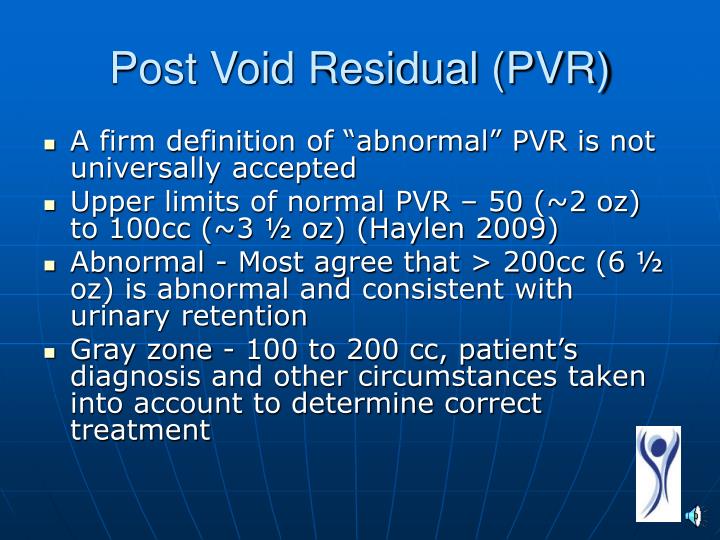
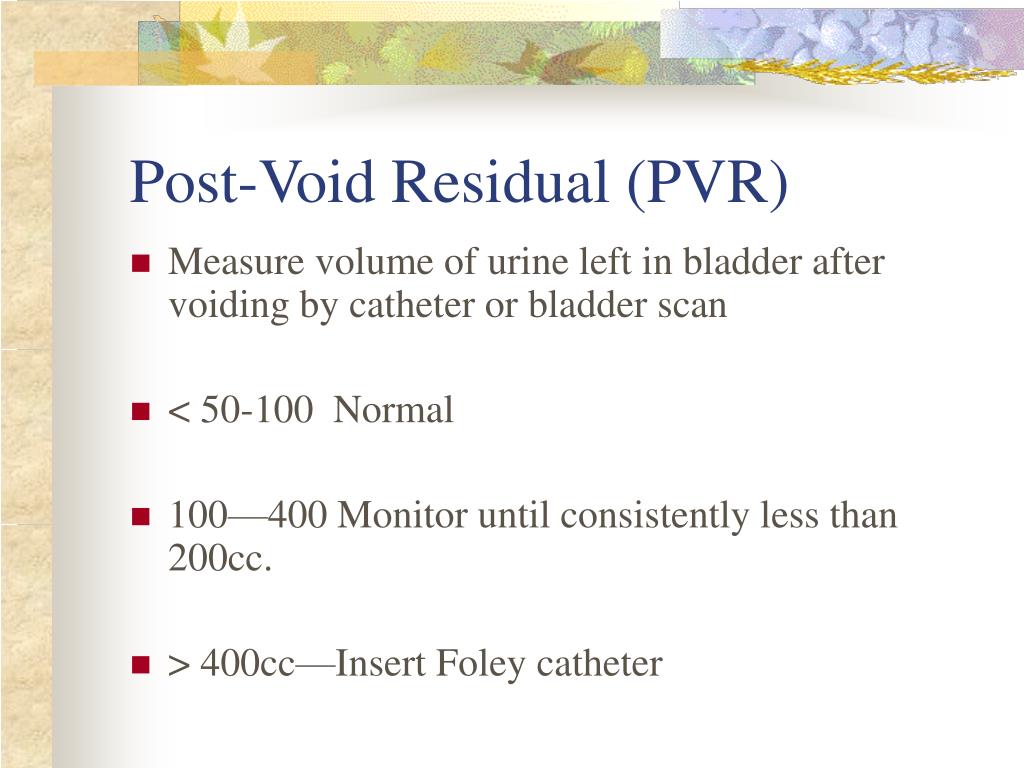
Okay, so what’s considered "normal"? Generally, a PVR of less than 50 mL is considered acceptable. A PVR between 50 mL and 200 mL might warrant further investigation, depending on the individual and their symptoms. Anything over 200 mL is usually considered significant and requires medical attention. It’s crucial to remember these are just guidelines, and your doctor will interpret the results in the context of your overall health and medical history.

How is a PVR measured? There are a couple of common methods. The most common is a bladder scan, which uses ultrasound to painlessly estimate the amount of urine in your bladder after you've voided. Another method involves inserting a catheter (a thin, flexible tube) into your bladder to drain any remaining urine. While a catheter is more accurate, the bladder scan is generally preferred because it's non-invasive.
In conclusion, understanding your post void residual isn't just about bathroom trivia. It's a valuable piece of information that can help maintain your urinary health and detect potential problems early. If you're experiencing frequent UTIs, difficulty urinating, a weak urine stream, or feeling like you can’t completely empty your bladder, talk to your doctor. They can determine if a PVR measurement is appropriate and help you keep your plumbing running smoothly! Think of it as preventative maintenance for a happier, healthier you!