
What Is A Dry Chemical Fire Extinguisher Used For

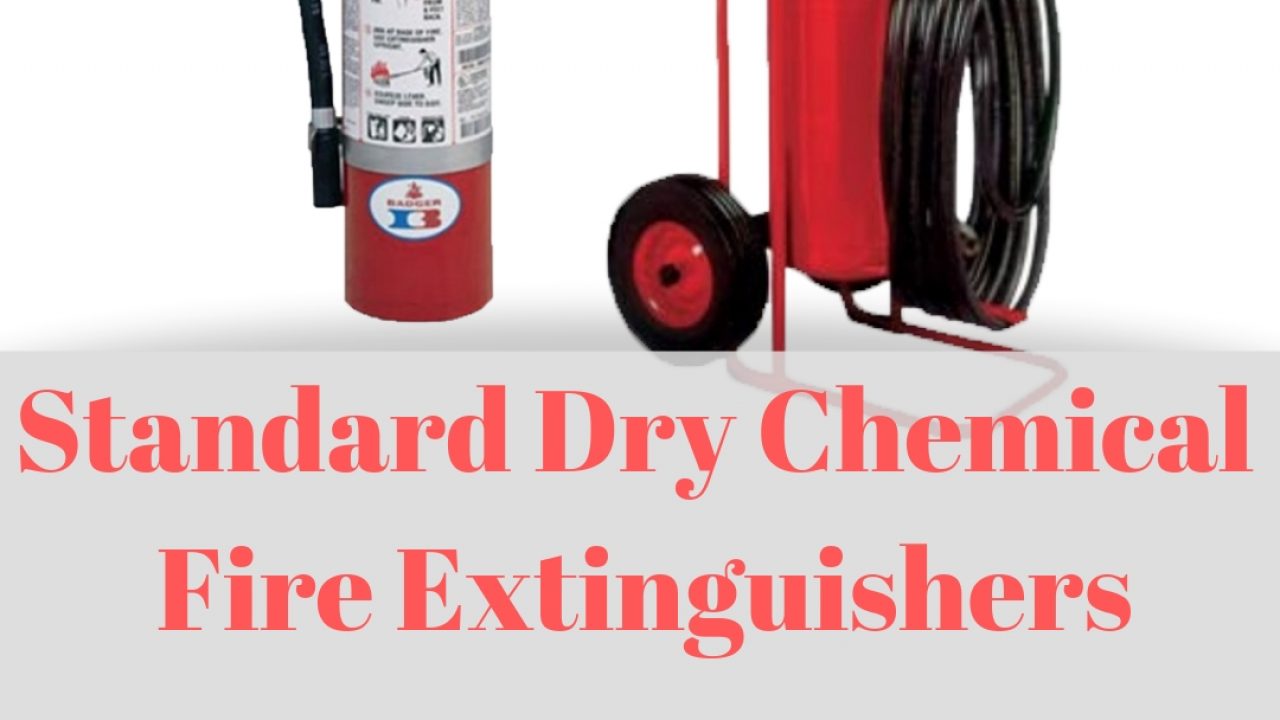
Imagine this: you're whipping up your famous stir-fry, everything's sizzling perfectly, and then – poof! – a little flame leaps up from the oil in the pan. Or maybe you're out in the garage, tinkering with a project, and a spark from an electrical connection decides to throw a tiny, fiery party. In those heart-fluttering moments, what's your trusty sidekick? More often than not, it's that bright red cylinder hanging quietly on the wall, patiently waiting for its moment to shine: the dry chemical fire extinguisher.
Now, "dry chemical" sounds a bit like something from a science lab, doesn't it? But really, it’s just a fancy way of saying it’s filled with a super-fine powder. Think of it like a souped-up version of the baking soda you might sprinkle on a small grease fire – only much, much more powerful and designed to tackle a wider range of fiery mischief. This powder works by essentially smothering the fire, interrupting its chemical reaction and stopping it dead in its tracks. It doesn’t cool things down much, but it definitely cuts off the fire's ability to keep burning.
Your Fire-Fighting Swiss Army Knife
The beauty of a dry chemical extinguisher is its incredible versatility. It's not a one-trick pony; it's more like the Swiss Army knife of fire safety. This makes it the go-to choice for homes, offices, workshops, and pretty much anywhere you might encounter a variety of potential fire hazards. Let's break down the types of fires it's ready to wrestle:
Must Read
1. Ordinary Combustibles (Class A) – The Everyday Blazes
Ever had a stack of newspapers get a little too close to a heat source? Or maybe a forgotten towel on a space heater? These are your Class A fires: things made of ordinary combustible materials like wood, paper, cloth, rubber, and plastics. Think about your living room, your bedroom, your home office – all prime locations for these kinds of fires. A dry chemical extinguisher can blast away at these, knocking down the flames and giving you precious time. It’s like having a superhero dust-buster for your everyday clutter fires!
2. Flammable Liquids & Gases (Class B) – The Slippery Ones
Remember that stir-fry scenario? That's a classic Class B fire – involving flammable liquids like grease, oil, gasoline, paint thinners, or even gases like propane from your BBQ tank. Water is a big no-no for these; it can spread the fire or make it worse. But our dry chemical hero? It absolutely loves to jump into the fray, coating the liquid and stopping it from releasing flammable vapors. It's like putting a magical lid on a boiling pot of trouble, but instead of steam, you're stopping dangerous flames. This is where your kitchen extinguisher really earns its keep!

3. Electrical Equipment (Class C) – The Shocking Surprises
Ever seen sparks fly from an overloaded power strip? Or a strange burning smell coming from your toaster oven? These are Class C fires – those involving energized electrical equipment. Using water on these is a huge shock hazard, obviously! But a dry chemical extinguisher is non-conductive, meaning it won't give you a nasty jolt while you're trying to put out the fire. It's like having a friend who knows exactly how to unplug the problem without touching the live wires – safe and effective. From computer equipment to your washing machine, it’s got your back.
Why Should You Care? (Beyond Just Being a Grown-Up!)
You might be thinking, "Okay, cool, a versatile powder. But why should I really care?" Well, dear reader, it's about so much more than just a red cylinder.
Peace of mind, for starters. Knowing you have a reliable tool to handle small fires means you can sleep a little easier. It's like having a secret weapon against those "what if" scenarios that sometimes keep us up at night.
It turns a tiny drama into a non-event. Most fires start small. A dry chemical extinguisher gives you the power to tackle that little ember or those first few flames before they grow into a roaring inferno that calls for the fire department (and a whole lot of tears and insurance claims). It’s about being empowered to protect your home, your memories, and your loved ones from a preventable disaster.

Think of it as your home's silent, ever-vigilant guardian. It doesn't ask for much – just a periodic check to ensure it's charged and ready. In return, it offers you the incredible ability to be a hero in a crisis, to save your property, and potentially, to save lives. It's not just a piece of safety equipment; it's an investment in your safety and a testament to being prepared.
So next time you spot that unassuming red cylinder, give it a little nod of appreciation. It's not just a canister of powder; it's your go-to friend for putting out most common fires, helping you keep your daily life smooth, safe, and delightfully fire-free. Knowing what it's for is the first step in being ready, just in case that famous stir-fry gets a little too adventurous!
