What Is 6 7 As A Fraction

Ever wondered how to express a simple phrase like "6 out of 7" in a more mathematical way? Turns out, it's easier than you think! Understanding how to represent portions as fractions is a foundational skill that unlocks a whole new world of mathematical understanding. It's not just for school, either. Fractions pop up in everyday life, from cooking recipes to understanding percentages in sales.
So, what is 6/7 as a fraction, exactly? Well, it already is a fraction! The expression "6/7" is the fraction itself. It represents six parts out of a total of seven parts. Think of it like slicing a pizza into seven equal slices. If you eat six of those slices, you've consumed 6/7 of the pizza. The top number (6) is called the numerator; it tells you how many parts you have. The bottom number (7) is the denominator; it tells you the total number of equal parts the whole is divided into.
The purpose of fractions is to represent portions of a whole. They allow us to be more precise than just saying "a lot" or "a little." They let us quantify exactly how much we're talking about. The benefits of understanding fractions extend far beyond just math class. They are essential for understanding proportions, ratios, and even probability.
Must Read
In education, you'll encounter 6/7 in various contexts. For example, in a science experiment, you might find that 6/7 of a group of seeds germinated. In math class, you might be asked to compare 6/7 to other fractions, or to add it to another fraction. The ability to work with fractions like 6/7 is crucial for tackling more advanced mathematical concepts later on.
In daily life, consider a scenario where you're splitting a bill with six friends (making a total of seven people). Your share might be considered 1/7 of the bill, leaving the other six to pay 6/7. Or maybe you're baking a cake and the recipe calls for 6/7 of a cup of flour. Understanding the quantity the fraction represents ensures your cake turns out perfectly. Sales often use percentages, and understanding that a percentage is just a fraction out of 100 (e.g., 75% is 75/100) can help you quickly calculate discounts and understand deals.
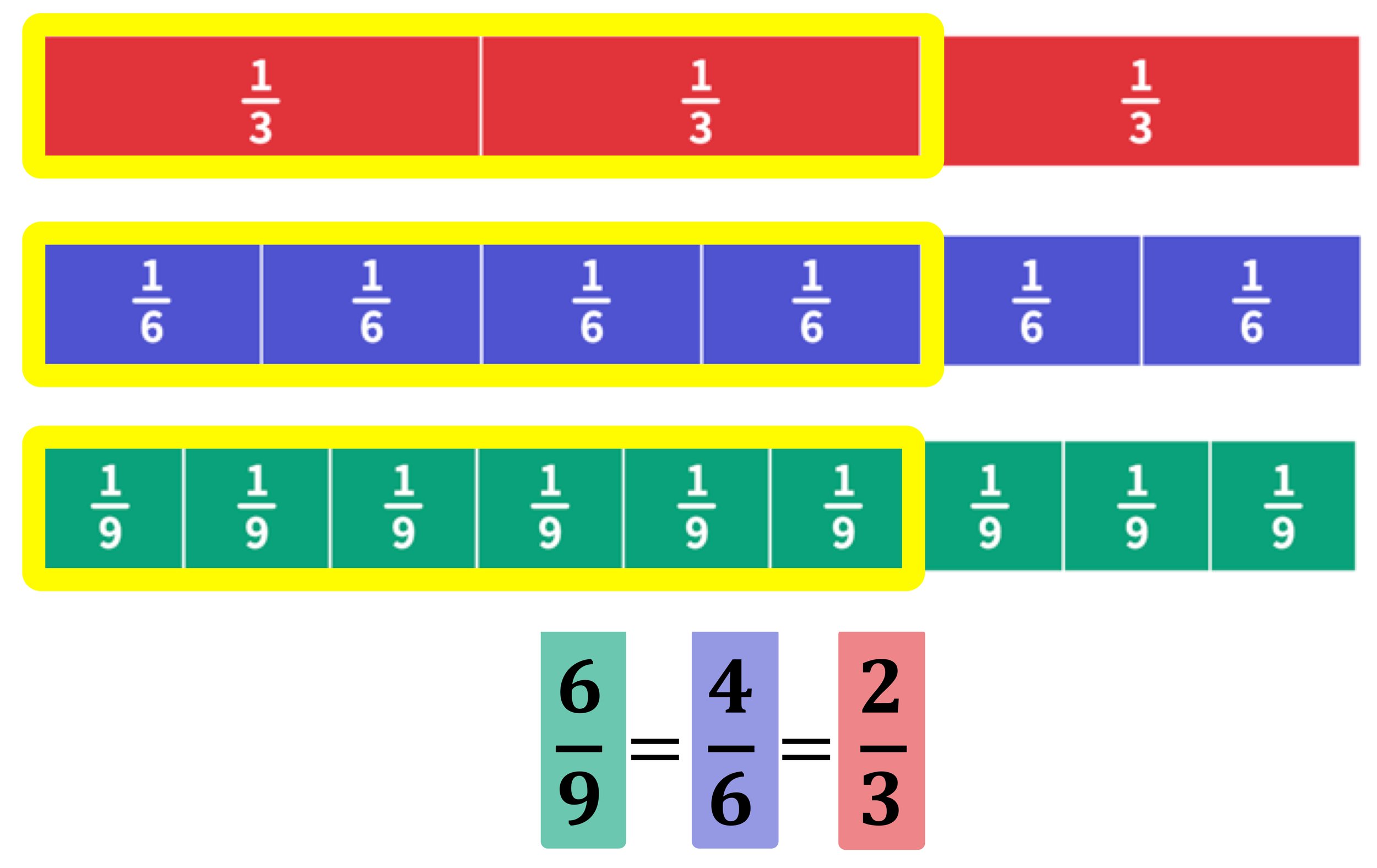
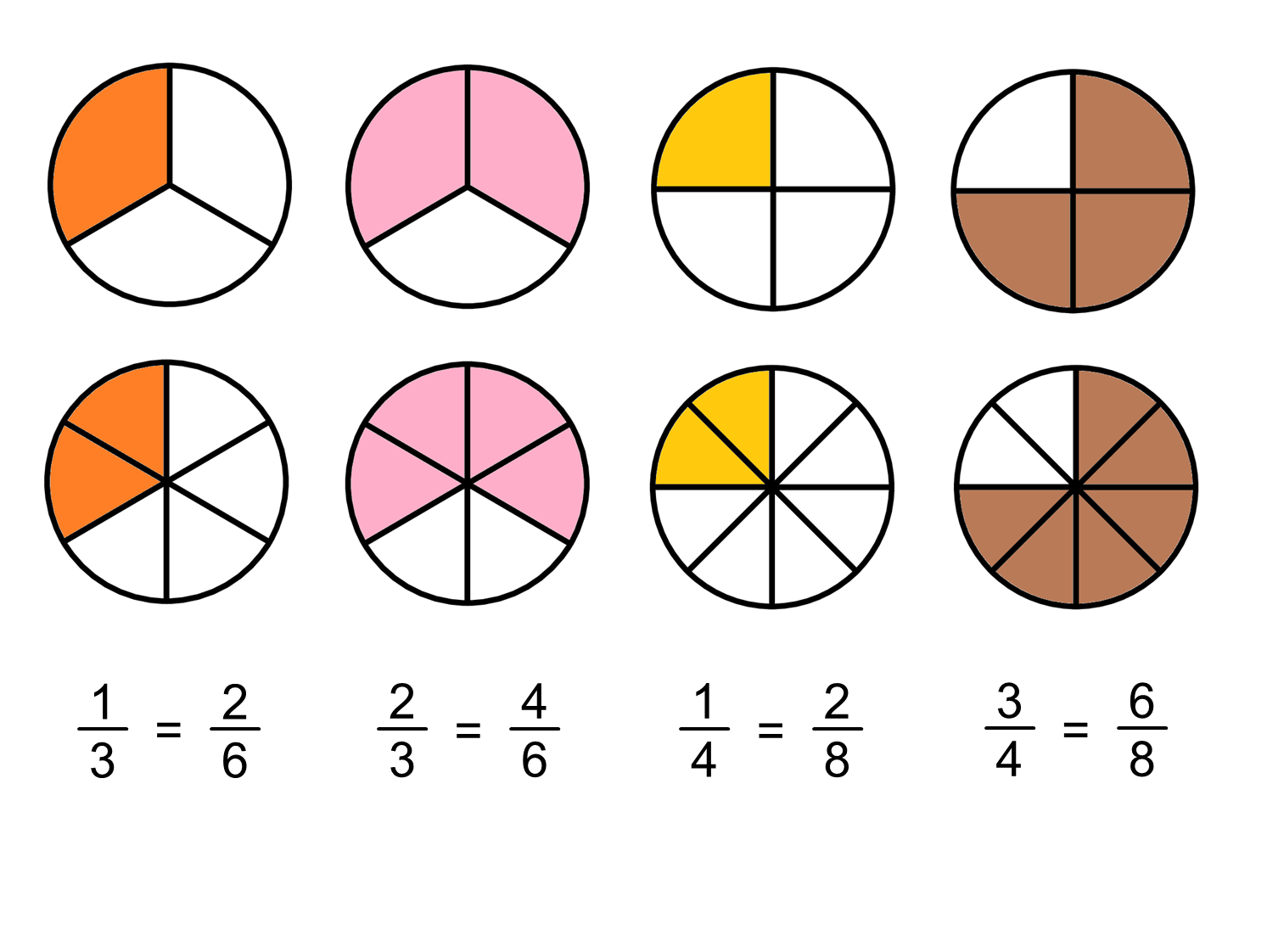
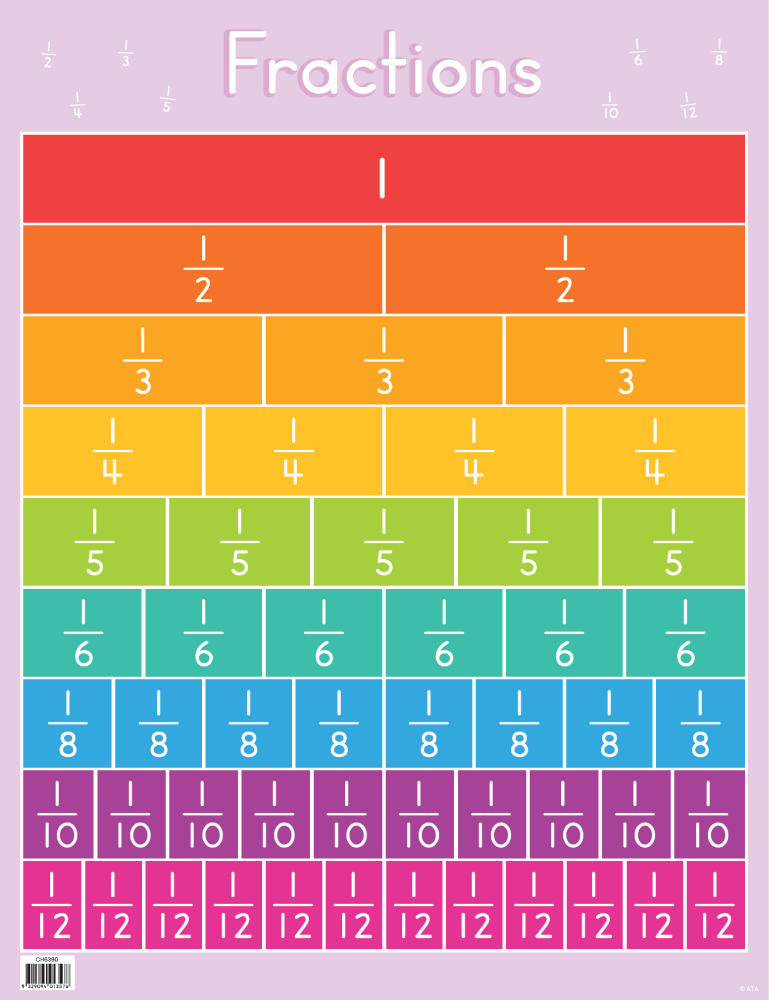
Want to explore fractions like 6/7 further? Here are some simple tips: Try drawing a circle and dividing it into seven equal sections. Shade in six of those sections. This visual representation really helps solidify the meaning of 6/7. You can also use measuring cups. Imagine you have a set of seven identical cups. If you fill six of those cups with water, you've visually represented 6/7. Another helpful tool is online fraction calculators, which allow you to compare, add, subtract, multiply, and divide fractions with ease. Experimenting with these tools can make learning about fractions more engaging and intuitive.
Don't be intimidated by fractions! They're just a way of representing parts of a whole. By understanding the basics of numerators and denominators, and by exploring fractions with visual aids and practical examples, you can unlock a powerful tool for understanding the world around you. Fractions like 6/7 are much more than just numbers; they're a gateway to deeper mathematical understanding and a valuable life skill.