
What Happens If Your House Gets Struck By Lightning
Zap! Flash! Boom! The sky lights up, the thunder rolls, and your mind might race to one very specific, slightly terrifying thought: What if lightning strikes MY house? It’s a classic fear, right up there with running out of coffee on a Monday morning. But what if I told you that while a lightning strike on your home isn't exactly a picnic, it's also not always the catastrophic, house-on-fire spectacle you might be imagining? In fact, understanding it can turn a moment of fear into a fascinating, even empowering, peek into the resilience of our homes and our own preparedness!
The Big Zap: What Actually Happens?
First off, let’s get this out of the way: a direct lightning strike to your home is rare. Your house isn't typically the tallest object around, and lightning is a fickle beast. But if it does happen, what’s the usual script?
Picture this: the lightning bolt, a colossal discharge of electricity, makes contact. It’s looking for the path of least resistance to the ground. Your house, with its metal pipes, electrical wiring, and framing, provides plenty of conductive pathways. So, instead of turning your humble abode into a giant bonfire (phew!), the electricity usually travels through these channels, seeking its way down.
Must Read
You might hear an explosive crack as the air around the strike point rapidly expands. You might see a flash of light even indoors. Then, the real fun begins (and by fun, I mean the post-strike checklist!):
- Power Surges: This is the most common outcome. That massive jolt can send a surge through your electrical system, frying unprotected electronics like your TV, computer, or even your refrigerator. Say goodbye to that ancient toaster!
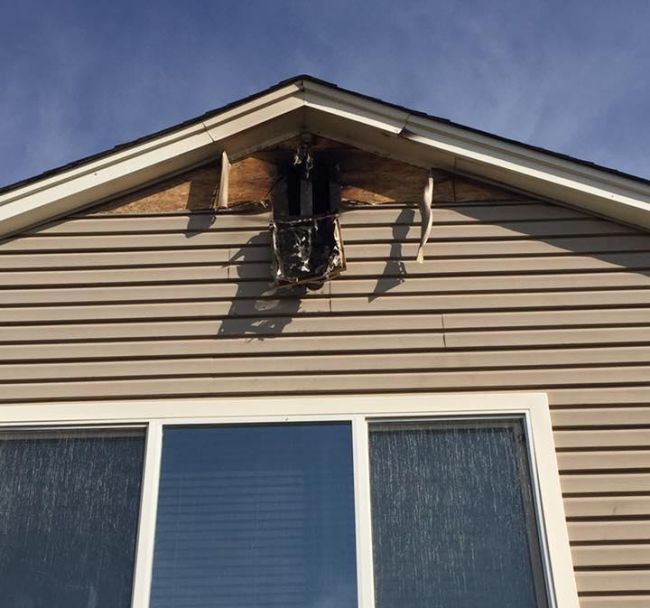
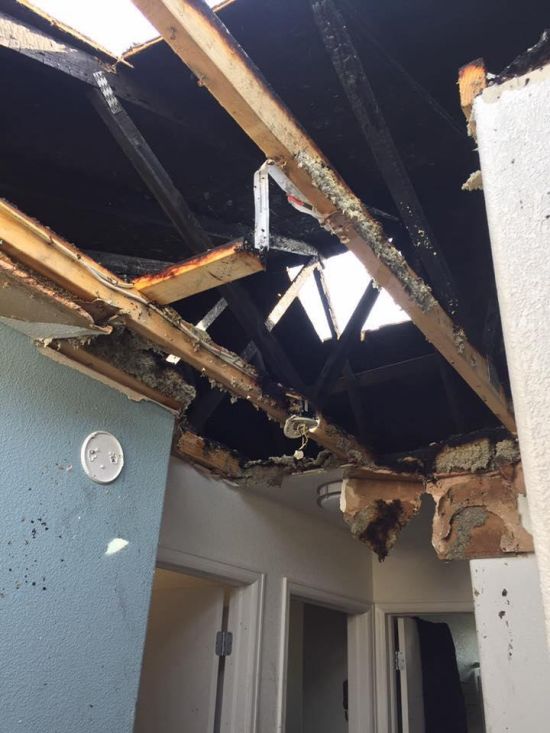
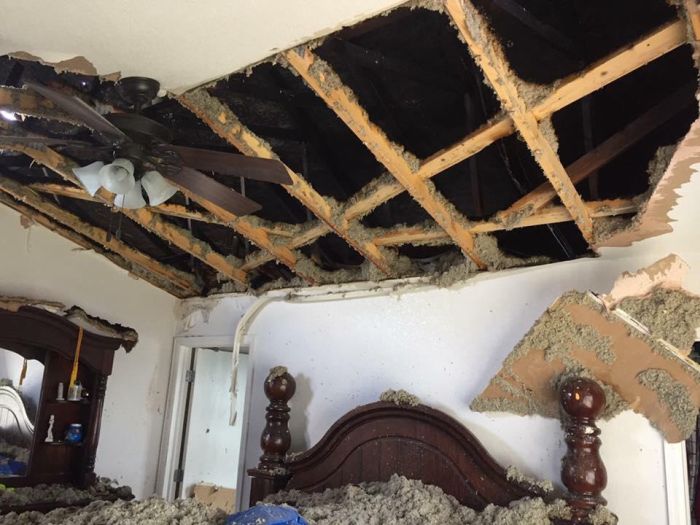
- Minor Structural Damage: The path lightning takes can sometimes cause physical damage. Think cracked plaster near wiring, splintered wood, or even a damaged chimney if it takes a direct hit. It's like your house got a cosmic high-five from Thor, but maybe a little too enthusiastic.
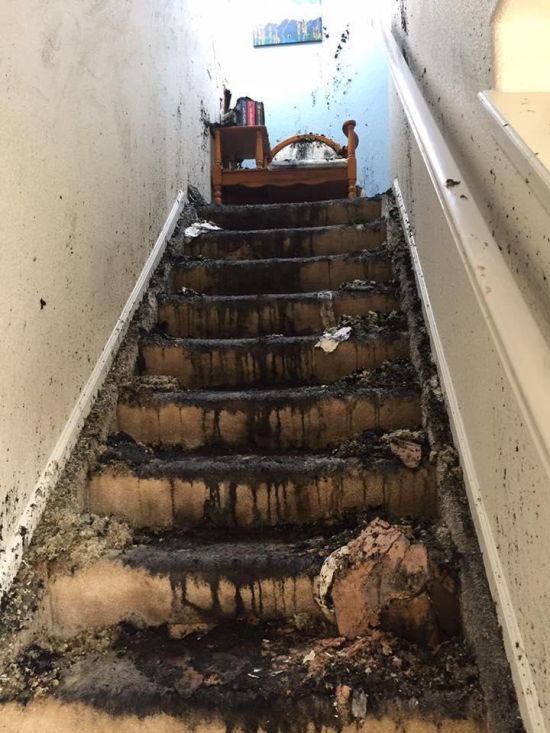
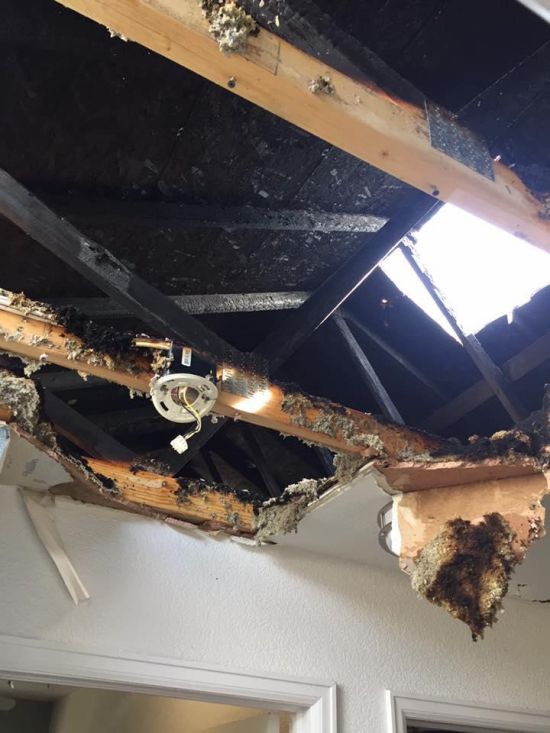
- Fire: Yes, it’s a possibility, but less common than you might think due to modern building codes and materials. However, if the lightning ignites insulation, gas lines, or other flammable materials, fire can definitely occur. This is why immediate checks are crucial!
- Alarms Going Wild: Your smoke detectors, security systems, and even some appliances might start beeping, flashing, or generally having a chaotic party. It’s their way of saying, "Hey, something intense just happened!"
Your Action Plan: Post-Strike Smart Moves
Okay, so your house just got zapped. What now? Don't panic! Remember, preparedness is key, and knowledge is power (pun intended!).
Safety first, always!
- Check for Fire or Smoke: This is your absolute priority. Use your nose and eyes. If you see or smell anything remotely like fire, get everyone out safely and call emergency services immediately. Don't play hero!
- Power Down: If it’s safe to do so (i.e., no immediate fire or sparks), flip your main circuit breaker to off. This can help prevent further damage to appliances and reduce fire risk from damaged wiring.
- Inspect Visually: Once it's safe, do a quick visual check. Look for scorch marks, damaged outlets, or anything out of place. But again, do NOT touch anything that looks damaged or is sparking.
- Document Everything: Grab your phone and start taking photos and videos of any damage, big or small. This will be invaluable for your insurance claim.
The Silver Lining: Why This Isn't Just About Damage
Now, here’s where we shift from "oh no!" to "hey, that's interesting!" A lightning strike can be an unexpected opportunity.
Think about it:
1. Your Home is Tougher Than You Think! You’ll likely discover that your home is incredibly resilient. Modern building practices and materials are designed to withstand a lot, even an act of nature as dramatic as lightning. It's a testament to good engineering!
2. Insurance is Your Best Friend: Most standard homeowner's insurance policies cover lightning strike damage. This means repairs, replacement of damaged appliances, and potentially even temporary living expenses if your home is uninhabitable. It's a fantastic reminder of why that monthly premium is money well spent. (Have you checked your policy lately? Maybe now's a fun time to review it!)
3. The Ultimate Conversation Starter: Imagine the story! "Remember that time lightning struck our house?" You'll have an electrifying tale for dinner parties for years to come. It’s a badge of honor, a truly wild anecdote that proves you’ve experienced something few others have.
4. An Excuse for an Upgrade! Did your old TV bite the dust? Or perhaps that ancient fridge? Your insurance might just help you replace them with brand-spanking-new models. Think of it as a forced, but potentially delightful, home refresh. And hey, maybe it's time to invest in some serious whole-house surge protectors!
5. A Lesson in Preparedness: Experiencing something like this, or even just learning about it, makes you more aware and prepared. You might check your smoke detectors, ensure your insurance is up-to-date, or learn more about grounding systems. It’s about building a resilient mindset, ready to face whatever wild curveballs life (and Mother Nature) throws your way.
Embrace the Spark!
So, next time a storm rolls in and the lightning lights up the sky, instead of just dread, maybe you'll feel a tiny spark of curiosity. What's happening up there? How does our world work? How do our homes protect us?
Understanding lightning strikes isn't about inviting disaster; it's about understanding the power of nature and appreciating the engineering and systems that keep us safe. It's about knowing you have a plan, being prepared, and perhaps even turning a potentially scary situation into an interesting, even empowering, chapter in your home's story. So go ahead, learn a little more about home safety, marvel at meteorology, and face the world, lightning or not, with a little more zest! You've got this!