What Happens If You Put Salt Water On A Fire

Ah, fire! From the crackling warmth of a campfire under a starry sky to the satisfying sizzle of a grill loaded with dinner, humanity has a deep and ancient connection to flames. We marvel at their power, respect their energy, and harness them for countless daily comforts. Fire provides warmth, cooks our food, melts metal, and even powers our engines. It's a primal force that has shaped civilizations and continues to be an essential tool in our modern lives. The fascination often extends to controlling it, or, perhaps more accurately, extinguishing it. This leads to all sorts of curious "what if" scenarios, like the one we're diving into today: What happens if you throw salt water on a fire?
You might imagine a dramatic explosion, a strange chemical reaction, or perhaps even the fire burning brighter, fueled by some arcane property of salt. The truth, however, is a little less Hollywood and a lot more… well, scientific. Understanding this isn't just a fun fact; it serves a crucial purpose in everyday life: debunking myths and promoting fire safety. We often encounter different types of fires – a blazing bonfire, a kitchen grease fire, an electrical short. Knowing the right way to tackle each is paramount, and understanding what not to do is just as important.
So, let's get to the salty truth. If you take a bucket of typical salt water – say, from the ocean or just tap water with some table salt dissolved in it – and douse a regular wood or paper fire, what happens? For the most part, it will act pretty much like fresh water. The water cools the burning material below its ignition temperature and smothers it by displacing oxygen, two key mechanisms for extinguishing most fires. The dissolved salt (sodium chloride) is a stable compound and generally doesn't combust or provide fuel for the fire. It might leave behind some crusty salt deposits as the water evaporates, but it won't cause the fire to suddenly rage out of control or vanish in a puff of purple smoke.
Must Read
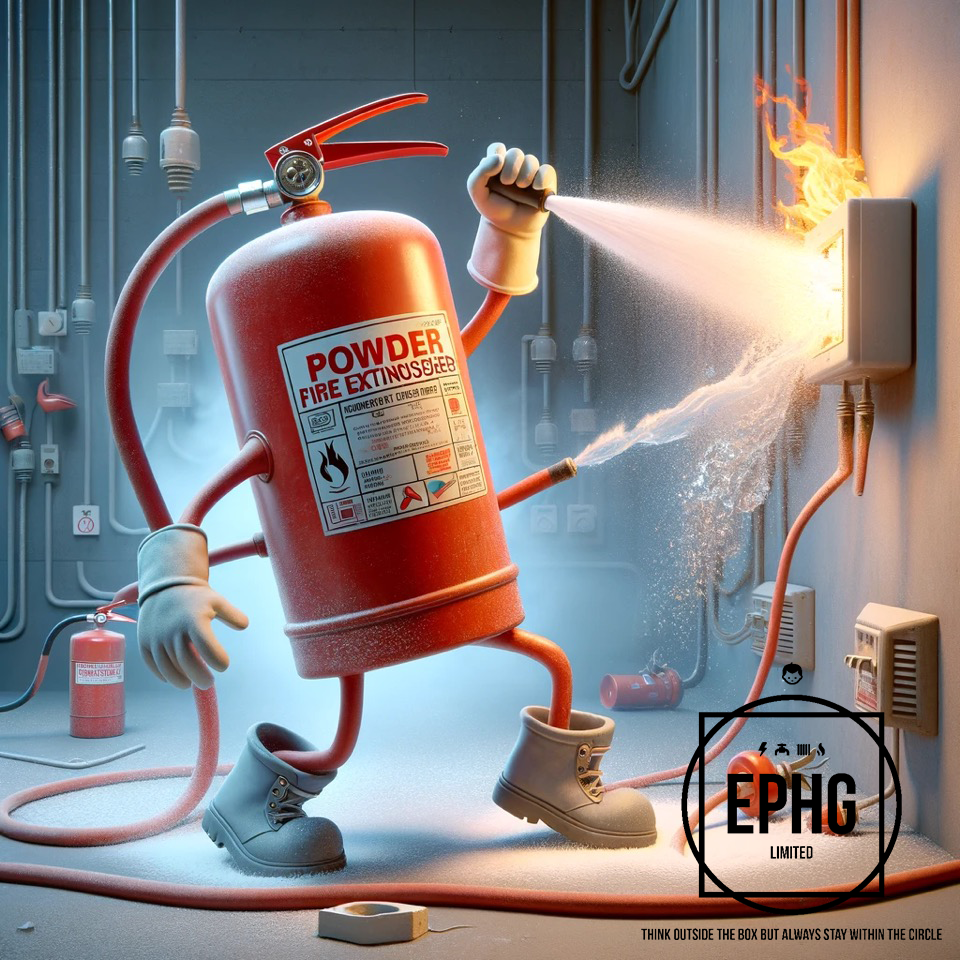
However, this is where the plot thickens and common sense becomes your best friend. While salt water isn't inherently combustible, there are specific fire scenarios where using any water, especially salt water, is a terrible idea. For instance, if you're dealing with a grease fire in your kitchen – that terrifying moment when oil overheats and ignites – throwing water on it (salty or fresh) will cause the burning oil to splatter violently, spreading the fire and potentially causing severe burns. Similarly, using water on an electrical fire is incredibly dangerous. Water conducts electricity, meaning you could get electrocuted while trying to put out the flames, and salt water is an even better conductor. These are common examples where the application of the wrong extinguishing agent can turn a bad situation into a catastrophe.
To enjoy fire safely and effectively, whether it's for cooking, warmth, or just ambiance, remember these practical tips. Always have appropriate extinguishing agents on hand: a bucket of sand or a fire extinguisher (marked ABC for general purpose, or K for kitchen fires) is far more effective than an improvised bucket of seawater. For small, contained fires like campfires, fresh water is usually fine. For grease fires, smother them with a metal lid or a fire blanket, or use a Class K extinguisher. For electrical fires, cut the power first if possible, and then use a Class C or ABC extinguisher. Never use water on grease or electrical fires. By understanding the science behind fire and its interaction with different substances, we can enjoy its benefits while always prioritizing safety. So next time you're gathered around a fire, you'll not only appreciate its glow but also understand the fascinating chemistry behind keeping it in check!