
What Happens If You Don't Take A Shower

We've all been there, right? That morning alarm blares, you hit snooze one too many times, and suddenly, the sacred shower ritual feels like an insurmountable hurdle. Or maybe you're on a camping trip in the wilderness, traveling through a remote area, or just... feeling a little rebellious. Whatever the reason, skipping a shower happens. But beyond the immediate feeling of 'uh oh,' what really goes down when you decide to give the soap and water a miss?
Let's dive into the fascinating, slightly smelly, and surprisingly complex world of what happens when you decide to embrace your natural state, at least for a little while.
The Immediate Aftermath: The Olfactory Journey Begins
Let's be real, the first thing most of us think about when we skip a shower is body odor. And you're not wrong! Your skin is home to a bustling metropolis of bacteria – mostly harmless, some even helpful. When you sweat, these bacteria break down the proteins and fatty acids in your perspiration, producing volatile compounds that give you that distinct "eau de unwashed."
Must Read
Interestingly, the type of odor can vary based on your diet, genetics, and even the specific bacterial colonies thriving on your skin. Some people might get a musky scent, others more pungent. It’s a fascinating, if not always pleasant, testament to our unique biological blueprints.
Beyond the whiff, there's the inevitable feeling of oiliness. Your skin's sebaceous glands are constantly producing sebum, a waxy, oily substance that keeps your skin and hair moisturized and protected. Without regular washing, this sebum can build up, leaving your skin feeling greasy and your hair looking limp and a little slick.
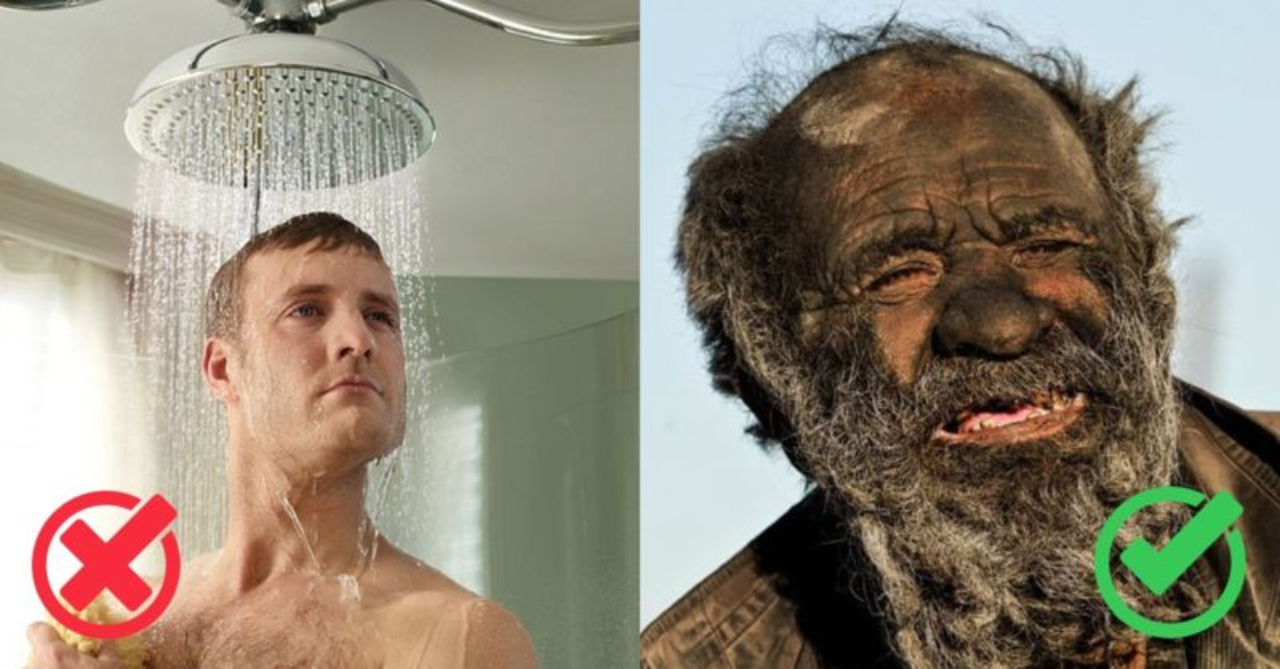
Beyond the Whiff: What Your Skin Is Really Saying
Skipping a shower for a day or two usually isn't a huge deal. But if you stretch it into several days, your skin, the body's largest organ, starts to raise some flags. That build-up of oil, dead skin cells, and bacteria can begin to clog your pores, potentially leading to acne breakouts, especially in areas prone to oiliness like your face, back, and chest.
You might also notice some itching or irritation. This is often due to the accumulation of dead skin and environmental pollutants that aren't being washed away. In more extreme cases, prolonged lack of hygiene can create an ideal environment for certain fungal or bacterial infections to flourish, manifesting as rashes or other skin conditions. Think of areas that stay moist, like armpits, groin, and between toes – these are prime spots for unwanted microbial guests.
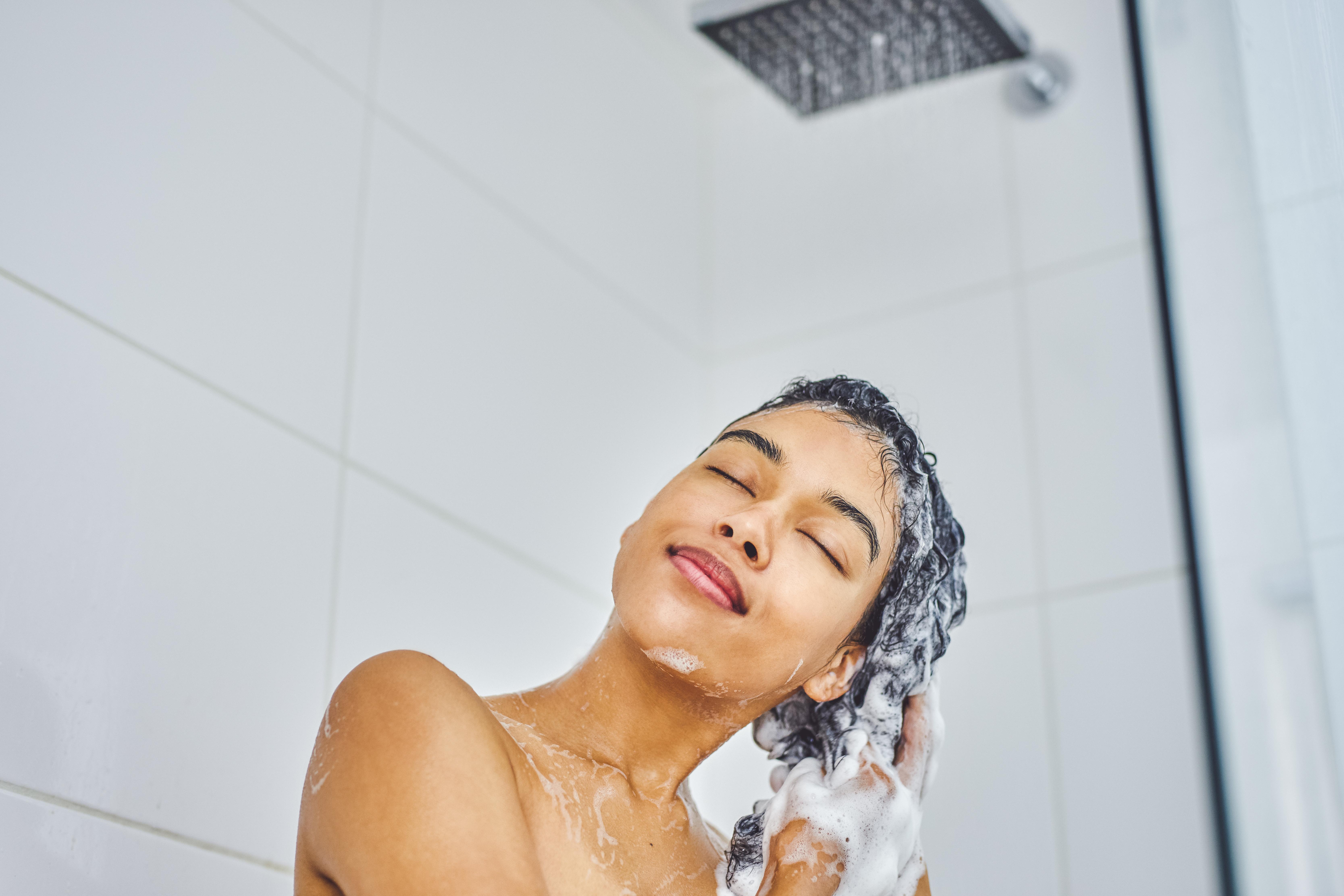
And your hair? It won't just look greasy; your scalp might start to itch as the natural oils and skin cells build up, potentially contributing to dandruff or general discomfort. It’s a delicate ecosystem up there!
It's Not Just About You: Social & Cultural Ripples
While the immediate effects are personal, the social ones quickly follow. A noticeable body odor can impact your interactions with others, making social situations feel a bit awkward for everyone involved. Personal hygiene is a subtle but powerful social cue, and maintaining it often contributes to our confidence and how we're perceived.
Historically, a daily scrub wasn't always the norm. Ancient Romans, for example, were big on communal baths, but it wasn't always about soap and water as we know it. In many cultures, bathing rituals are deeply spiritual or medicinal rather than just for daily cleansing. The idea of a daily shower as a universal standard is actually a relatively modern Western concept, boosted by advances in plumbing and public health awareness.

When a Shower Isn't an Option: Survival Guide
So, you've skipped the suds. Now what? If a full shower isn't on the cards, there are ways to mitigate the effects. Spot cleaning is your best friend. Focus on the "hot spots" – armpits, groin, feet, and face – using a damp washcloth and a little soap. This can drastically cut down on odor-causing bacteria.
Dry shampoo can be a lifesaver for greasy hair, absorbing excess oil and adding a bit of volume. And, of course, a good deodorant or antiperspirant can work wonders in managing underarm sweat and smell. Hand sanitizer and wet wipes can also be incredibly useful for a quick refresh on the go.

Fun fact: Did you know that some historical figures, like Queen Elizabeth I, were said to only bathe once a month? Times (and hygiene standards) have certainly changed!
The Bottom Line: A Gentle Nudge
Ultimately, showering is more than just about scrubbing away the day's grime. It’s a moment of refresh, a mental reset, and a fundamental part of self-care for many. While skipping one occasionally won't doom you, understanding what happens can help you appreciate that warm, steamy embrace even more.
A little water, a little soap, and a few minutes can make a big difference, not just for your physical comfort, but for your overall well-being and confidence as you navigate your daily life. So go ahead, enjoy that next shower – you've earned it!