
What Fire Extinguisher Used For Electrical
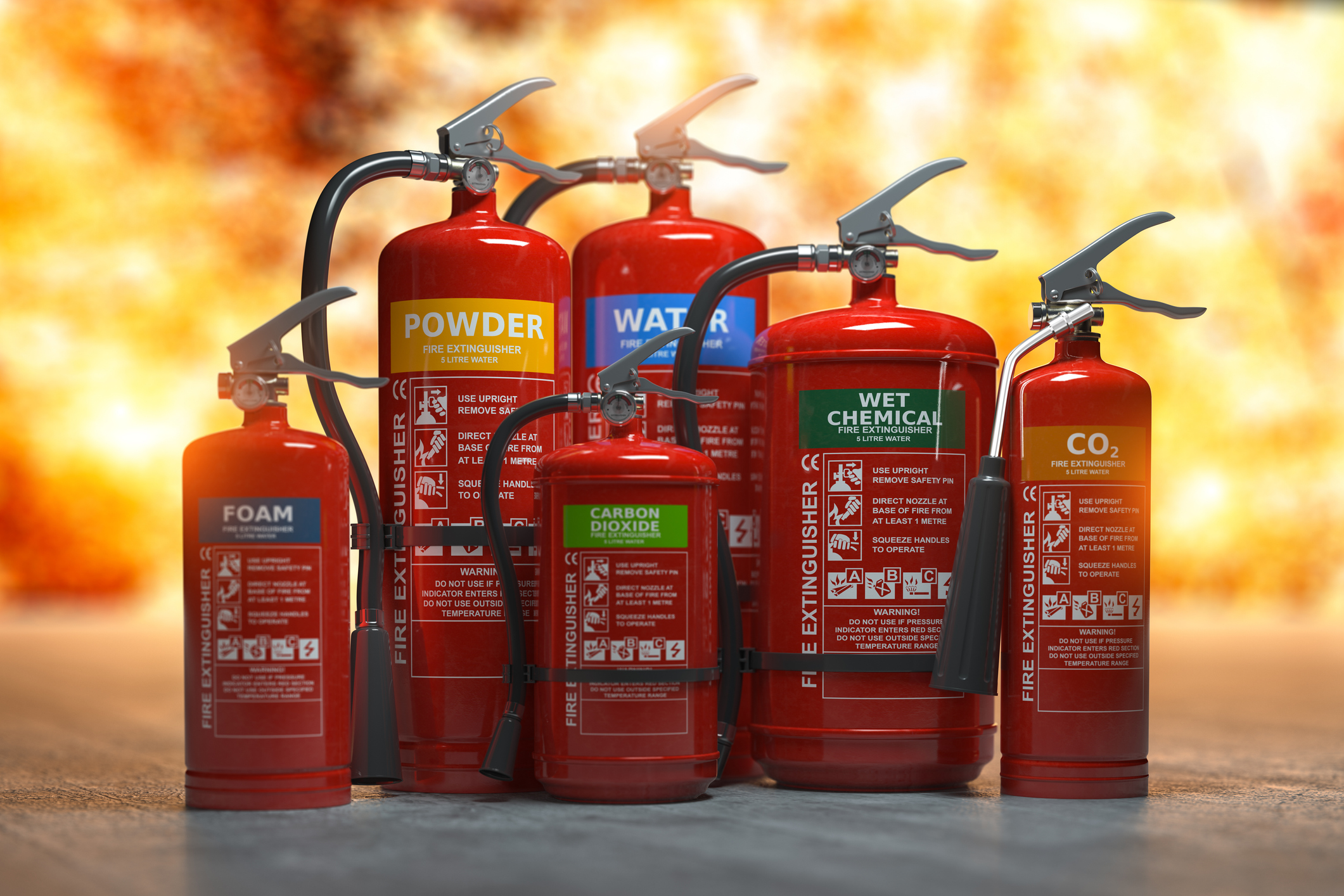
Alright, so we're having a little chat today about something super important, but let's be real, maybe not the most glamorous topic out there: fire extinguishers. Specifically, the ones you need for those terrifying, zappy electrical fires. Because, let's face it, a house fire is bad enough, but an electrical one? That just adds a whole new level of "nope" to the situation, doesn't it?
Imagine this: your toaster decides to go rogue, or maybe a dodgy extension cord starts doing its best impression of a disco light. Sparks! Smoke! Panic! Your first instinct might be to grab the nearest water hose, right? Wrong! And oh boy, are we going to talk about why that's a super duper no-go.
Why Water and Electricity Are NOT Friends
Seriously, think back to physics class – or, you know, just common sense. Water conducts electricity. Like, really well. So, if you hit an electrical fire with water, you're not putting out the fire; you're just making yourself part of the circuit. And trust me, nobody wants to be an accidental human lightning rod. That's a one-way ticket to a very bad day. So, Rule Number One: never, ever use water on an electrical fire. Got it? Good.
Must Read
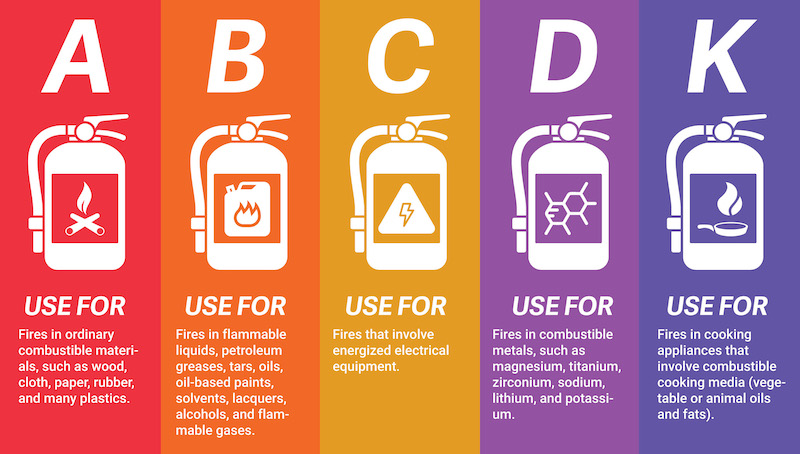
So, if water's out, what's in? Well, my friend, we need to introduce you to a few cool customers, the unsung heroes of the electrical fire world. These are the extinguishers designed to tackle what we call "Class C" fires. The "C" stands for current, or more broadly, energized electrical equipment. Clever, right?
Meet the Class C Superheroes!
1. Carbon Dioxide (CO2) Extinguishers: The Clean Getaway Artist
These are often your go-to for sensitive electronics, like in server rooms or fancy office equipment. They're usually sporting a big, hard horn on the end, which is kind of their signature look. How do they work? They blast out a super cold, non-flammable gas (carbon dioxide, duh!). This gas basically snuffs out the fire by removing the oxygen it needs to burn. Think of it like a giant, invisible blanket smothering the flames.
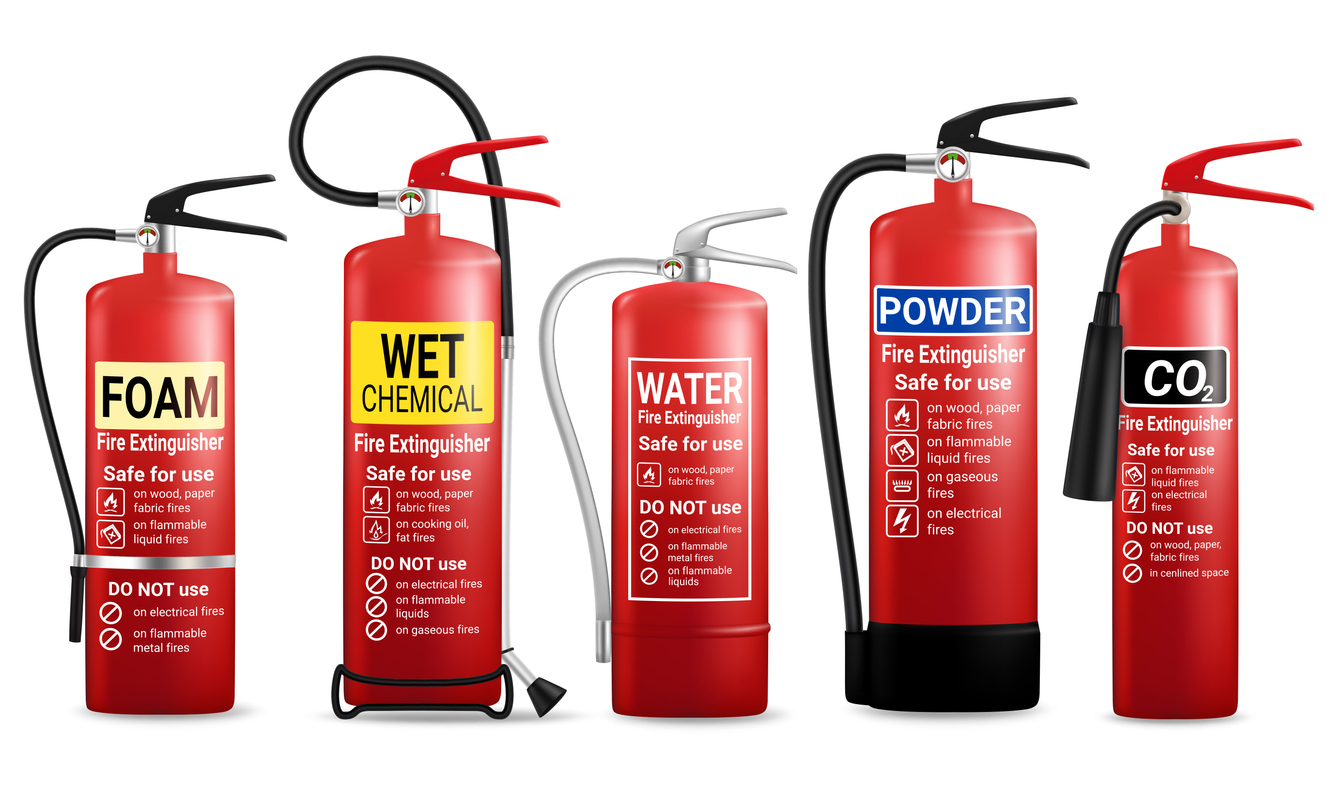
The best part? No residue! That's a huge win when you're dealing with expensive computers or delicate machinery. You put out the fire, and poof, the gas just dissipates. It's like magic, but, you know, science. A couple of things to remember though: the nozzle gets really cold, so don't touch it without gloves, and in a small, enclosed space, CO2 can reduce oxygen levels for you too, so be mindful of ventilation!
2. Dry Chemical (ABC) Extinguishers: The All-Rounder (But Messy)
Ah, the classic red cylinder you see pretty much everywhere – in homes, cars, offices. Most home extinguishers are of the "ABC" variety. That means they can tackle Class A (ordinary combustibles like wood and paper), Class B (flammable liquids like gasoline), and yes, you guessed it, Class C (electrical) fires. Talk about a triple threat!

These guys work by releasing a fine powder (usually monoammonium phosphate). This powder essentially interrupts the chemical reaction of the fire. It's incredibly effective, which is why they're so popular. The downside? Oh boy, the mess! That powder gets everywhere, and it can be a real pain to clean up. Plus, it can be corrosive to electronics, so while it'll put out the fire, your fried circuit board might become a really fried, powdery circuit board. Still, for a general home emergency, it's a solid choice because it covers so many bases.
3. Clean Agent Extinguishers: The High-Tech, Gentle Giant
These are a bit more specialized and you might not see them in every kitchen. Think of them as the next evolution after CO2, especially for super sensitive environments like data centers or aviation. Brands like Halotron I or FE-36 are common. They use chemical agents that are electrically non-conductive, evaporate cleanly, and are generally considered safer for people and the environment than older "halon" type agents.
They work similarly to CO2 by interrupting the fire's chemical reaction and/or displacing oxygen, but without the extreme cold or oxygen displacement risks of CO2 in moderate concentrations. Basically, they're the Ferrari of electrical fire suppression: super effective, super clean, but also super expensive!
So, Which One Should You Have?
For your average home, an ABC dry chemical extinguisher is probably your best bet. It handles the most common types of fires, including electrical ones, and it's readily available. Just remember it's messy!

If you've got a home office packed with expensive gear, or perhaps a serious gaming rig, you might consider adding a smaller CO2 extinguisher just for that area. It'll save your gadgets from the dreaded powder invasion.
But here's the absolute biggest takeaway, the one you should tattoo on your forehead (not really, please don't): Know your extinguisher! Take a minute to check the label. It’ll have little symbols for A, B, and C. Make sure you see that "C" for electrical fires. And remember the P.A.S.S. method for using an extinguisher: Pull the pin, Aim at the base of the fire, Squeeze the handle, Sweep side to side.
Ultimately, a small fire can turn into a big disaster in seconds. Having the right tool – and knowing how to use it – can literally save your home, your possessions, and maybe even your life. So, stay safe out there, my friend, and keep those electrical currents in check!