
What Extinguisher Is Used On Electrical Fire

An electrical fire! Just those words send a little shiver down your spine, don't they? It's like a scene straight out of a movie. Sparks flying, that distinctive acrid smell.
And then comes the frantic thought: What do I do?! We all know water is a big no-no. But what is the right answer?
Well, get ready for a playful peek into the "official" versus the "real-life" solutions. You might just find yourself nodding along.
Must Read
The Official Answer: Class C!
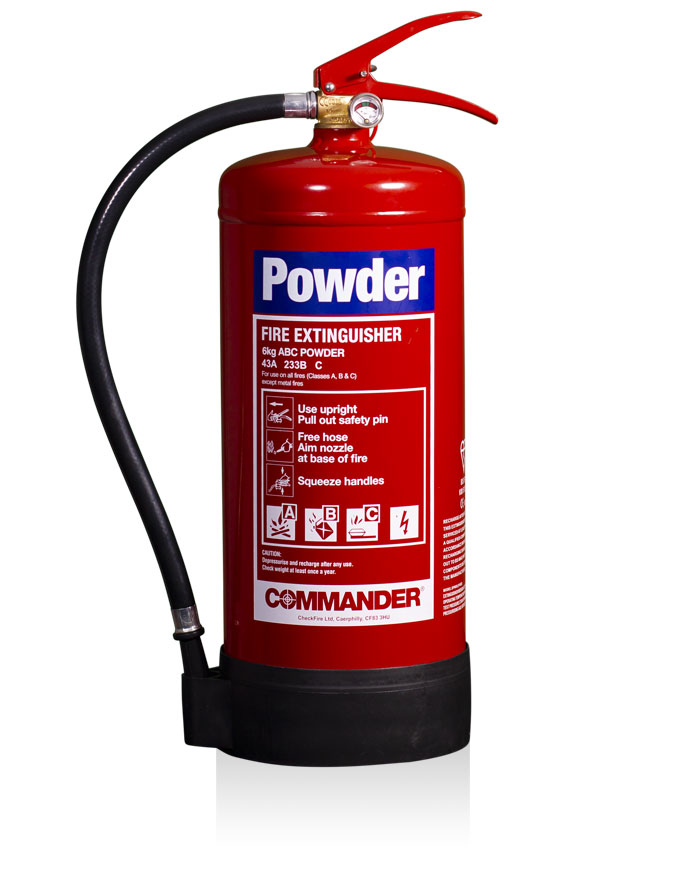
If you ask any safety expert, they'll tell you about Class C extinguishers. These are specifically designed for electrical fires.
They typically contain things like carbon dioxide (CO2) or a dry chemical agent. These agents don't conduct electricity, which is super important.
Using one of these means you're tackling the fire without risking electrocution. It sounds perfect, right? It is, in theory.
The Unpopular Opinion: Reality Bites (or Sparks!)
Here's where my "unpopular opinion" comes in. How many of us actually have a shiny, ready-to-go Class C extinguisher sitting right next to our toaster?
Or under the desk where the charging cables are? Be honest. Most of us don't.
We've got the kitchen sink, maybe a dusty old blanket, and a whole lot of panic. That's the truth of an emergency.

The First Rule of Electrical Fire Club: De-Energize!
Forget the extinguisher for a second. The absolute, undeniable, most crucial first step is to stop the power.
If it's a small appliance, unplug it! Seriously, that's often the quickest and safest "extinguisher" right there. No power, no more electrical fire.
If you can't unplug it safely, get to your breaker box. Flip that switch. Cut the electricity to that area.
You've now turned a scary Class C fire into a much less scary Class A fire (meaning it's just burning ordinary stuff). That's a huge win!
What About Water? We All Think It!
Okay, let's address the elephant in the room: water. Our brains are hardwired to grab water for fire. It's natural.
But for electrical fires, water is a huge no-go. It conducts electricity like a champ, turning you into part of the circuit.
You could get a serious shock. So, even in a panic, try to avoid that impulse. It's a dangerous instinct.
The "What If I Don't Have a Class C?" Conundrum
So, you've unplugged, or cut the power. But a small fire is still burning. Now what? And you don't have a proper extinguisher.
This is where the "unpopular opinion" really shines. It's about harm reduction, not ideal solutions.
Remember, after the power is cut, the game changes entirely.
Improvised (and Less-Than-Ideal) Solutions
If it's a small, post-power-cut fire, and you're truly desperate, some household items are less bad than water.
A heavy blanket or towel can be used to smother small fires. Think of it like a mini fire blanket.
Just be sure it's thick and you're not putting yourself at risk. And again, power MUST be off.
For tiny kitchen-related electrical sparks (like from a toaster that's just burning crumbs), a good old box of baking soda can work. It's not magic, but it can help smother small flames.
No, it's not a Class C solution. But it's better than throwing a glass of water. It's about knowing your limits.
"The best extinguisher for an electrical fire might just be your own two feet... running away."
That's right. Sometimes, the safest and most effective "extinguisher" is to evacuate yourself and your loved ones. Call 911.
Don't be a hero unless you're trained and equipped. Your life is far more valuable than any appliance.
The Takeaway: Be Prepared (But Also Realistic!)
The absolute best extinguisher for an electrical fire is indeed a Class C unit. Or a multi-purpose ABC extinguisher.

Having one accessible is smart. Knowing how to use it is even smarter.
But let's be real. Life happens. Emergencies are messy.
So, remember the first rule: kill the power! Unplug, flip the breaker. That's your primary defense.
After that, if the fire persists, and you don't have the right tool, prioritize safety. Evacuate and call for professional help.
My "unpopular opinion" isn't about ditching safety rules. It's about acknowledging human behavior in a crisis.
It's about having a realistic backup plan, even if that plan is just running away and letting the experts handle it.
Because sometimes, the best way to "extinguish" a problem is to prevent it from getting worse, even if it means not being the action hero. Stay safe out there!