
What Element Makes Protein Different From Carbohydrate And Fat

So, you love digging into a juicy steak, munching on crunchy veggies, or indulging in a slice of chocolate cake, right? We all do! But have you ever stopped to wonder what makes that steak fundamentally different from the cake, or the veggies stand apart from both?
It all boils down to a tiny, often overlooked, but incredibly important element: Nitrogen.
The Usual Suspects: Carbon, Hydrogen, and Oxygen
Let's start with the basics. Carbohydrates and fats, those energy powerhouses of our diets, are primarily made up of three elements: carbon, hydrogen, and oxygen. Think of them as simple Lego blocks linked together in various arrangements. They are the building blocks of sugar, starch, and oils.
Must Read
Imagine a perfectly constructed house made only of carbon, hydrogen and oxygen Lego blocks. It's a pretty solid structure, maybe a little bland, but it serves its purpose.
Carbohydrates, like bread and pasta, are your body's favorite quick fuel. Fats, like butter and olive oil, are your long-term energy storage, keeping you warm and cozy.
Enter the Hero: Nitrogen
Now, let's bring in the element that shakes things up: Nitrogen. This is where the magic of protein happens. Proteins are carbon, hydrogen, and oxygen and...
...BAM! Nitrogen steps into the spotlight.
Think of Nitrogen as the secret ingredient, the special spice that transforms ordinary ingredients into something extraordinary.
It's not just about presence. How it bonds with the other elements is also significant.
Proteins: The Body's Construction Crew
Proteins, unlike carbohydrates and fats, aren't just about energy. They are the workhorses of the body. They are the builders, the repair crew, the messengers, and the bodyguards.

They build and repair tissues, make enzymes that digest your food, and create hormones that regulate everything from your mood to your growth.
Without proteins, you'd be a puddle of mush! Seriously, no muscles, no hair, no fingernails, nada.
Amino Acids: The Protein Building Blocks
Proteins are made up of smaller units called amino acids. Imagine them as individual Lego bricks, but now you have different shapes, sizes, and colors. Each amino acid contains nitrogen, which is the key to its special properties.
There are about 20 different amino acids that your body uses to build all sorts of proteins. Some of these, called essential amino acids, you can't make yourself.
You need to get them from your diet, like building blocks you order online from a specialized Lego store (aka, healthy food).
The Nitrogen's Role in Protein Structure
The presence of nitrogen allows amino acids to link together in long chains called polypeptide chains. These chains then fold into complex 3D shapes, creating the diverse and intricate structures of proteins. This complex structure is what gives proteins their unique functions.
Think of folding origami. The type of paper and method used in folding dictate the complexity of the final shape. The same with proteins.
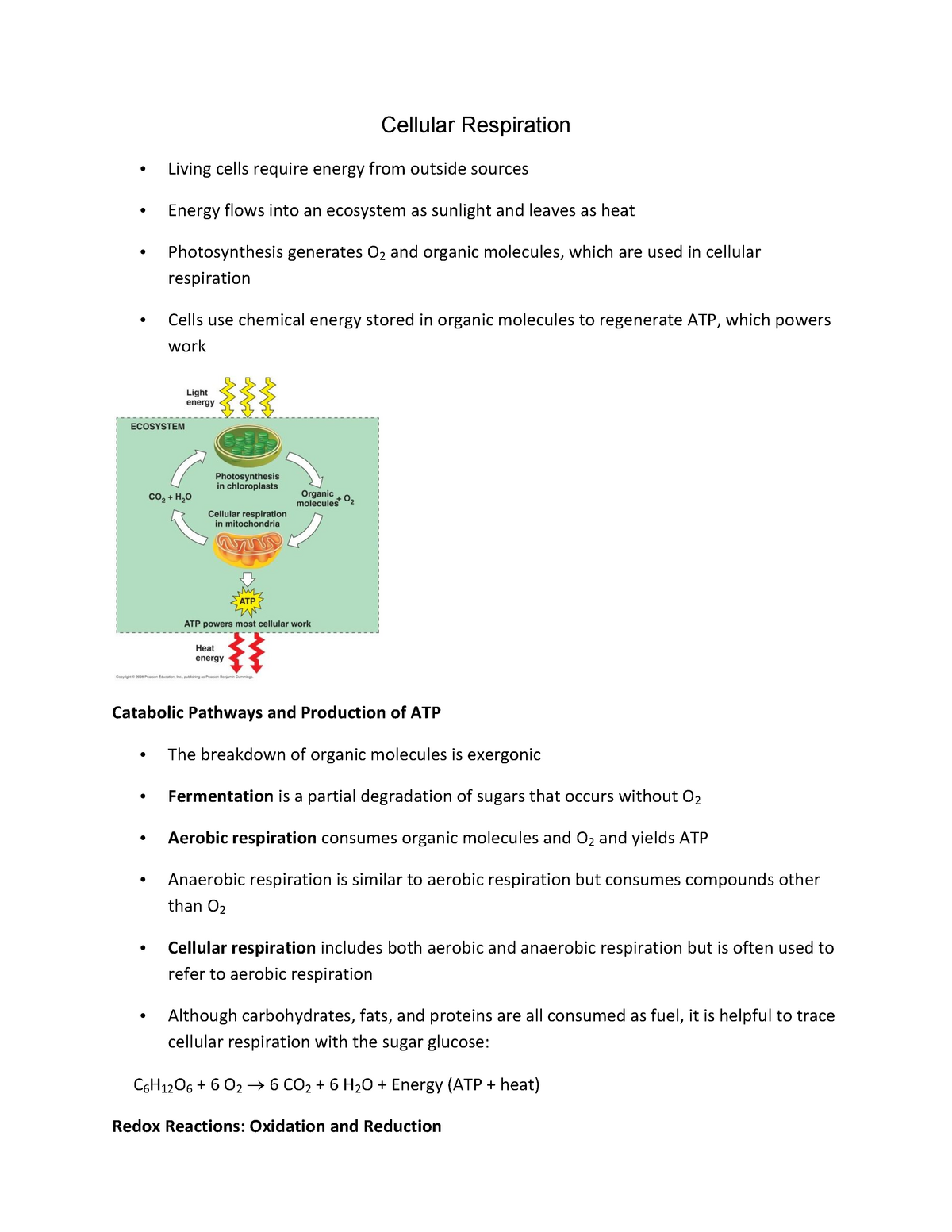
Without nitrogen, these intricate structures wouldn't be possible.
Why Nitrogen Matters
So, why is this little element so important? Because nitrogen is the foundation for all the amazing things proteins do. It's the anchor that allows amino acids to link together and form the complex structures necessary for life.
The key functions of proteins depend on nitrogen content and specific molecular structure.
Without enough nitrogen in your diet, your body can't build and repair tissues, produce enzymes, or perform all the other essential functions that proteins are responsible for.
Protein Deficiency: A Real Problem
Protein deficiency, while rare in developed countries, can have serious consequences. It can lead to stunted growth, weakened immune system, and muscle loss.
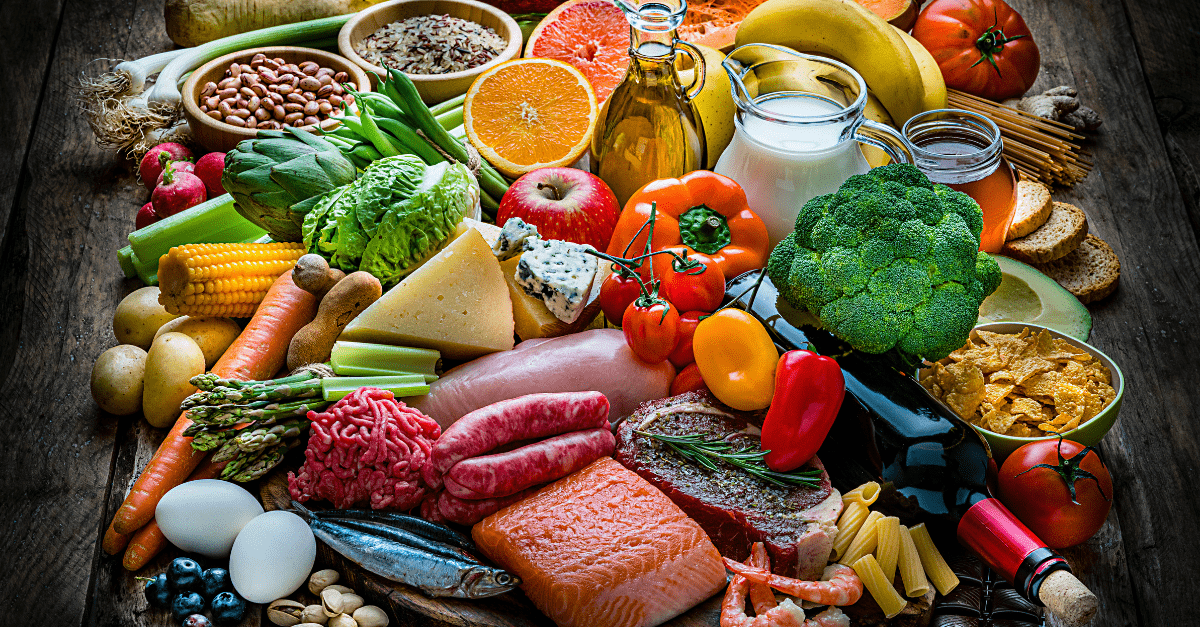
It's important to ensure you're getting enough protein from a variety of sources, such as meat, poultry, fish, beans, lentils, and nuts.
Think of it as fueling your body's construction crew with the right tools and materials.
Fun Fact: Nitrogen and Explosives!
Okay, this might seem a little out there, but did you know that nitrogen is also a key ingredient in many explosives? Whoa!
The same element that builds your muscles can also be used to create powerful explosions. Talk about a split personality!
Don't worry, the nitrogen in your protein-rich foods isn't going to explode anytime soon. It's all about how the nitrogen is bonded to other elements.
The Big Picture
So, the next time you enjoy a protein-rich meal, remember the little element that makes it all possible: Nitrogen. It's the unsung hero of the protein world, the key ingredient that sets it apart from carbohydrates and fats.
While carbs and fats provide us with energy, proteins are the body's construction crew. They are responsible for building, repairing, and regulating our bodies.
Without nitrogen, life as we know it wouldn't exist. So, give a little nod to nitrogen the next time you're fueling up with your favorite protein source!
Beyond Diet: Nitrogen in the Environment
Nitrogen isn't just important for our bodies; it's also crucial for the environment. It's a key component of fertilizers that help plants grow, feeding the world's population.
The nitrogen cycle is the set of biogeochemical processes by which nitrogen is converted into multiple chemical forms as it circulates among atmosphere, terrestrial, and marine ecosystems.
However, excessive use of nitrogen-based fertilizers can lead to environmental problems, such as water pollution. So, it's all about finding the right balance.
A Symbiotic Relationship
Consider the relationship between plants and animals. Plants take up nitrogen from the soil to build their proteins. Animals, in turn, eat plants and break down those proteins, using the amino acids to build their own.
It's a beautiful cycle of life, where nitrogen plays a central role.
Even the air we breathe is nearly 80% nitrogen! Though we can't directly use it from the atmosphere, it highlights its abundance and importance.
So Next Time...
The next time you're at a dinner party and someone asks, "What's the difference between protein and carbs?", you can confidently answer, "Nitrogen!" You'll be the hit of the evening, guaranteed.
You can also share your newfound knowledge about amino acids, the nitrogen cycle, and the explosive potential of nitrogen (with a cautionary tale, of course).
Enjoy your meals, appreciate the power of nitrogen, and keep exploring the wonders of the world around you!