
What Does The Battery Control Module Do

Okay, imagine this: You’re on a road trip, windows down, singing along badly to your favorite tunes. Suddenly, your phone, which you swore was at 30%, just... dies. Mid-verse. Right when you needed the GPS most. Or maybe you've had that heart-stopping moment when your car just stubbornly refuses to crank, leaving you stranded in a parking lot, feeling utterly helpless. Ugh, the worst, right?
That feeling of frustration, of being let down by a seemingly simple power source, is something we can all relate to. Batteries, bless their cotton socks, are amazing, but they can be temperamental divas if not managed properly. And that’s precisely where our unsung hero steps in, preventing those little power dramas from escalating into full-blown catastrophes, especially in the sophisticated world of electric vehicles (EVs), hybrids, and even your fancy cordless power tools. We're talking about the Battery Control Module, or BCM.
Think of the BCM as the ultimate micromanager of your battery pack. It’s not just a simple on/off switch; it’s the brain, the guardian, and the chief negotiator for every single cell within that powerful, energy-dense block under your car's floor (or in your drill, or your e-bike). And trust me, it’s doing a lot more than just telling you what percentage is left. In fact, without it, those massive battery packs in EVs would be both incredibly inefficient and, frankly, quite dangerous. Seriously.
Must Read
It's All About Monitoring (The Nosy Neighbor)
First up, the BCM is a total data junkie. It’s constantly, I mean constantly, checking in on every individual cell in the battery pack. Imagine having hundreds, sometimes thousands, of tiny batteries all hooked together. The BCM keeps tabs on their voltage, their current, and most critically, their temperature. Why? Because too much heat is a battery's worst enemy, leading to degradation, reduced lifespan, and in extreme cases, thermal runaway (a fancy term for "fire").
It's like a parent keeping an eye on multiple toddlers in a playpen. One gets too hot, another is about to stick a fork in the outlet – the BCM sees it all. This constant surveillance is crucial for making sure the battery operates within its safe parameters and for maximizing its overall life. Ever tried to charge your phone in direct sunlight? You know how hot it gets? That’s what the BCM is preventing on a much larger scale.
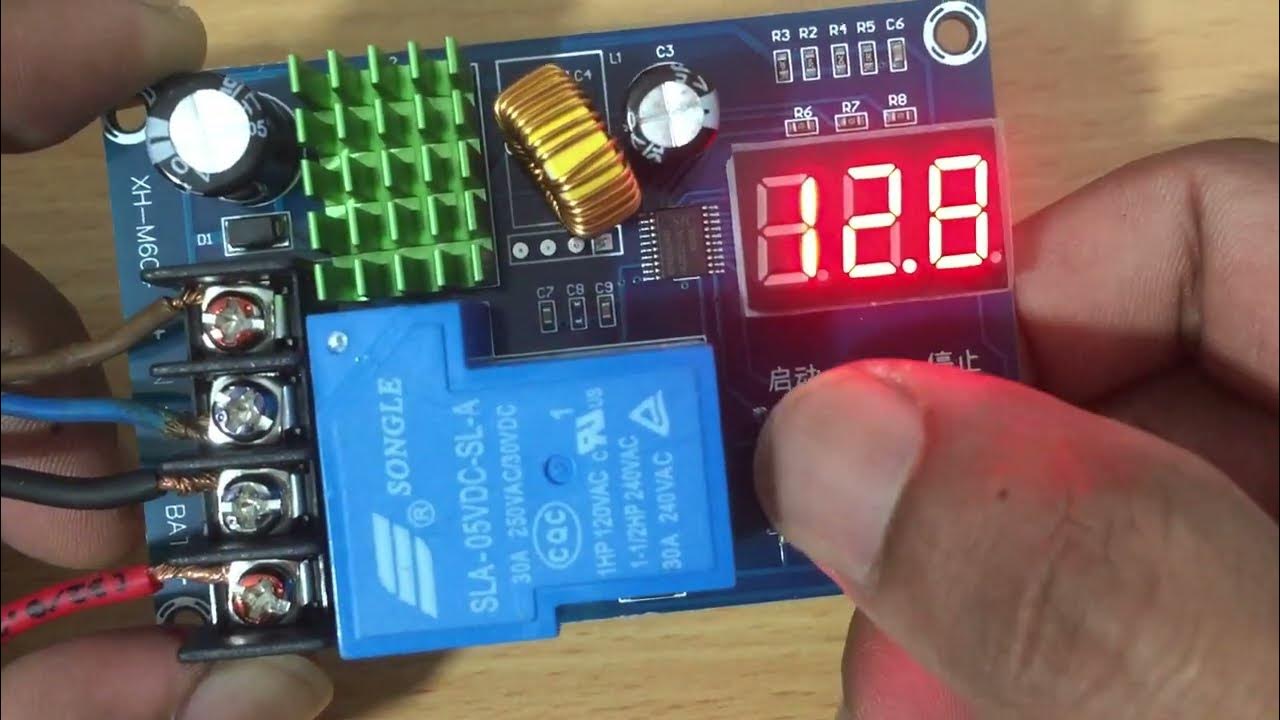
Cell Balancing (The Peacekeeper)
This is where things get really clever, and frankly, a bit intricate. Picture those hundreds of cells in a battery pack. Over time, some cells naturally become slightly stronger or weaker than others. Maybe one charges a bit faster, another discharges a little slower. This leads to an imbalance.
If left unchecked, the weaker cells will drain faster, limiting the entire pack's performance, even if other cells still have plenty of juice. It’s like a chain being only as strong as its weakest link. The BCM acts as the peacekeeper, actively working to balance the charge across all cells, ensuring they all work together harmoniously. It might shunt a tiny bit of charge from a fuller cell to a emptier one, or manage the charging process to bring everything back into alignment. This is vital for extending battery life and making sure you get the most range out of your EV.

Protection, Protection, Protection (The Bouncer)
This might be the BCM's most critical role: keeping everyone safe. It’s the ultimate guardian against electrical shenanigans. The BCM prevents:
- Overcharging: Pumping too much power into a fully charged battery is a recipe for disaster (and heat!). The BCM cuts it off.
- Over-discharging: Draining a battery too low can cause permanent damage and significantly shorten its life. The BCM says, "Nope, time to stop."
- Over-current: If there's a short circuit or an unexpected power surge, the BCM is ready to disconnect the battery faster than you can say "kaboom."
- Over-temperature: As mentioned, heat is bad. If the battery gets too hot, the BCM can reduce power output, initiate cooling systems (if available), or even shut down the system entirely to prevent damage or fire.
Seriously, you don't want a rogue battery, especially a huge one. The BCM is literally what stands between you and a very bad day.

Communication (The Translator)
Finally, the BCM isn't an isolated island. It's constantly chatting with other control modules in your vehicle. It tells the powertrain control module how much power is available, informs your dashboard display about the state of charge (SoC) and remaining range, and even relays important diagnostics to the car's computer system. Ever wondered how your EV knows exactly how many miles you have left? Yep, that's the BCM doing its thing.
So, the next time you hop into an EV or use a cordless tool, take a moment to appreciate the silent, tireless work of the Battery Control Module. It’s the invisible hand ensuring everything runs smoothly, safely, and efficiently. It’s the tech that makes those powerful battery packs not just possible, but genuinely practical. Without it, our modern world of portable power simply wouldn't exist as we know it. Pretty cool, huh?
