
What Does Te Calmas O Te Calmo Mean In English

Ever heard someone say, “Te calmas o te calmo?” Maybe you were in a heated discussion. Or perhaps you were just, you know, existing. Let’s break down what this spicy little phrase means in English.
Basically, it's like saying, "You calm down, or I'll calm you down!" It's a choice. A very…strongly worded choice. Think of it as a friendly (sort of) suggestion with a hint of underlying threat.
The Nuances of "Te Calmas O Te Calmo"
Okay, so the literal translation is pretty straightforward. But the feeling behind it? That’s where things get interesting. It's not just about asking someone to lower their voice. It’s about regaining control of a situation. It’s about asserting dominance! (Okay, maybe not always dominance, but definitely a power play.)
Must Read
And here’s my unpopular opinion: sometimes, it’s justified. Hear me out. We’ve all been there. Someone’s yelling about spilled milk (literal or metaphorical) and just needs to be…re-centered. A gentle "Te calmas o te calmo" might be just the ticket. Think of it as a verbal defibrillator for a rapidly escalating argument.
Of course, context is key. Shouting it at a funeral? Probably not the best idea. Whispering it playfully to your cat when it's attacking your curtains? Totally acceptable.

"Te Calmas O Te Calmo": Male vs. Female
The phrase itself changes slightly depending on who’s saying it. If a man is saying it, it's "Te calmas o te calmo." If a woman is saying it, it's "Te calmas o te calma." It's all about matching the adjective to the gender of the person being addressed. Spanish is fun like that!
But honestly, regardless of who says it, the message is clear: chill out! Or else...
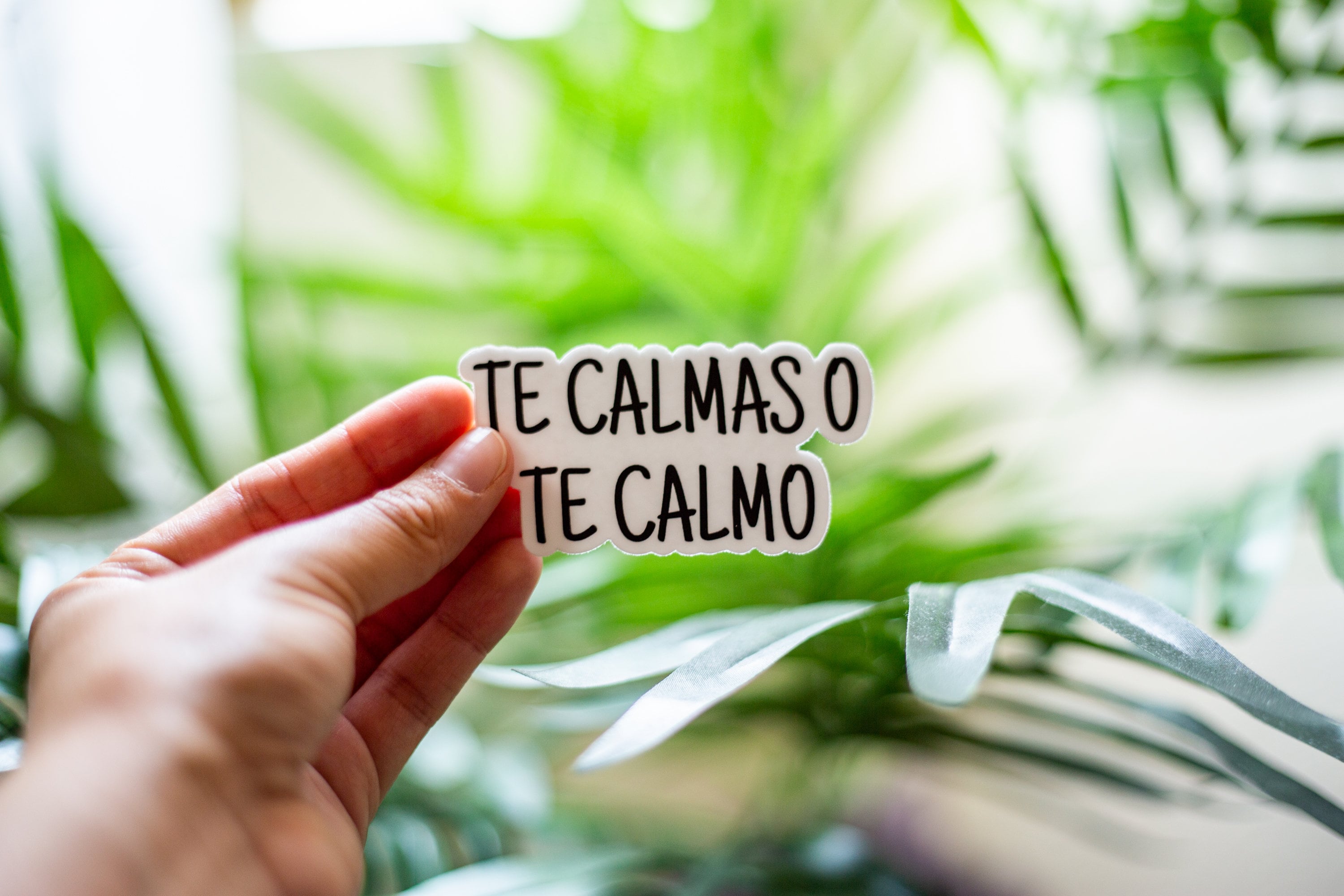
I imagine it’s what Professor Snape would say if he spoke Spanish. A dry, slightly menacing, "Te calmas o te calmo, Potter!" would be perfectly in character, don't you think?
When to Use "Te Calmas O Te Calmo" (and When Not To)
Let’s be real, you probably shouldn't walk around shouting this at strangers. HR might have some questions. But there are situations where it could be…appropriate.
For example:

- Your friend is hysterically laughing while trying to tell a story. (A playful "Te calmas o te calma!" might help them get to the punchline.)
- Your sibling is freaking out about a minor inconvenience. (Use with caution. Sibling relationships are delicate.)
- You're talking to yourself in the mirror after a particularly rough day. (Hey, we all do it.)
When not to use it:
- During a serious argument with your significant other. (Unless you want to sleep on the couch.)
- When pulled over by the police. (Just trust me on this one.)
- At a job interview. (Unless you're applying to be a professional wrestler.)
Alternatives to "Te Calmas O Te Calmo"
If you're feeling a bit hesitant about using the full-blown “Te calmas o te calmo,” there are softer, gentler options. You could try:
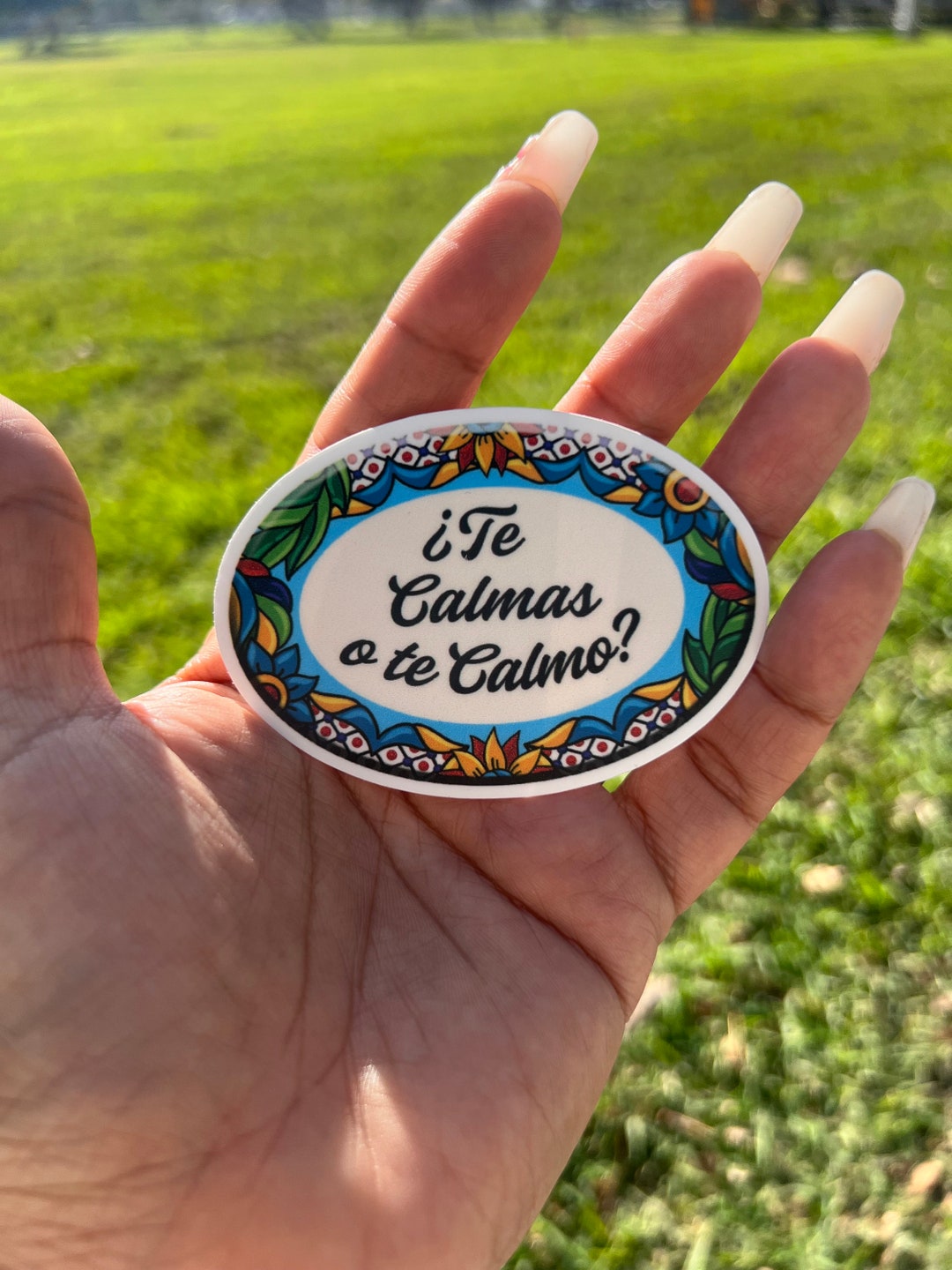
- "Calm down." (Obvious, but effective.)
- "Take a deep breath." (Good for defusing tension.)
- "Let's talk about this calmly." (The adult approach.)
- Offering them a snack. (Food fixes everything, right?)
Ultimately, understanding "Te calmas o te calmo" isn't just about knowing the translation. It's about understanding the cultural context, the underlying tone, and the potential consequences. It’s a phrase with a bite, a little bit of spice, and a whole lot of attitude.
So, the next time you hear it, you'll know exactly what it means. And maybe, just maybe, you'll be tempted to use it yourself. Just remember: use responsibly! And maybe have a good snack on hand, just in case.
And finally, my ultimate unpopular opinion? Sometimes, a little bit of sass is exactly what the situation needs. Te calmas o te calmo world. Te calmas o te calmo.