
What Does It Take To Charge A Tesla
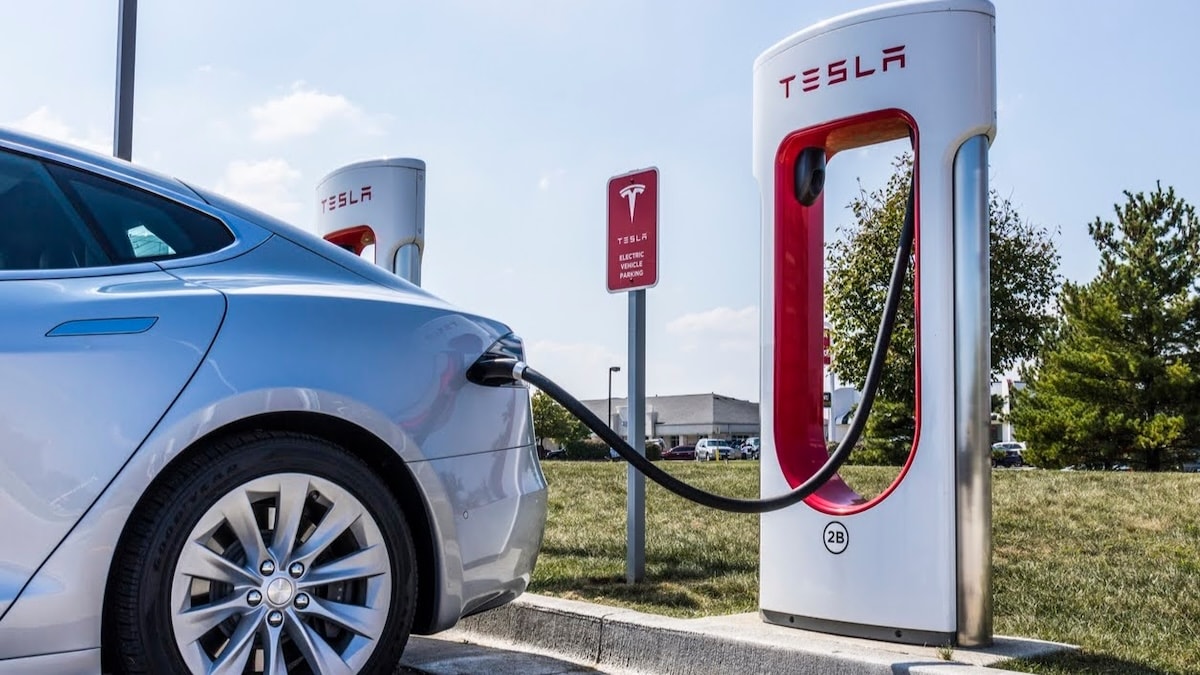
Alright, gather 'round, friends, let me tell you about this modern marvel, this electric chariot, this… Tesla. Specifically, let's talk about feeding the beast. Or, you know, politely topping it off with electrons. Charging a Tesla. Sounds simple, right? Like plugging in your toaster? Well… mostly.
Think of your Tesla's battery like a giant, rechargeable gummy bear. You gotta keep it happy and full, or it'll start complaining by refusing to take you on spontaneous road trips to see that giant ball of twine you've always heard about. Nobody wants a grumpy Tesla. Trust me.
The Charging Trifecta: Outlets, Chargers, and Hope
Okay, so how do you actually coax electricity into this futuristic jelly bean on wheels? You basically have three main options, ranging from “as slow as watching paint dry” to “warp speed, engage!”
Must Read
Option 1: The Humble Wall Outlet (aka “Grandma’s Method”)
This is your standard 120V outlet, the kind you plug your lamp into. Think of it as giving your Tesla a tiny sip of lemonade after a marathon. It'll appreciate the gesture, but it won't get very far on it. We’re talking like… 2-5 miles of range per hour. Good if you're only driving to the mailbox and back. Maybe. If your mailbox is really close.

Pro Tip: Only use this in an emergency. Like, if a swarm of bees is chasing you and the only outlet available is behind Grandma's prize-winning roses.
Option 2: Level 2 Charging (aka “The Responsible Adult Method”)

This is where things get a little more serious. Level 2 chargers use a 240V outlet, similar to what your dryer uses. You'll need a special charging station installed in your garage (or driveway, if you're feeling adventurous and live in a secure neighborhood). This is the sweet spot for most Tesla owners. Think of it as giving your Tesla a nice, hearty meal. You'll get around 20-40 miles of range per hour, which is plenty for overnight charging.
Installing a Level 2 charger is surprisingly easy. You just call an electrician, hand them a wad of cash (or a reasonable check, depending on your budget), and boom! Electric vehicle heaven. Just make sure they don't accidentally wire it into your refrigerator. Frozen burritos aren't worth sacrificing Tesla-charging capabilities.
Option 3: Supercharging (aka “Ludicrous Speed!”)
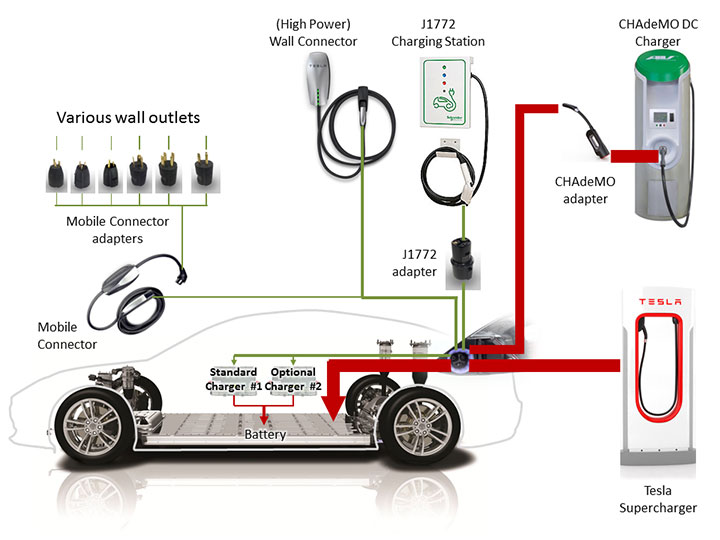
This is the equivalent of hooking your Tesla up to a lightning bolt (please, do not actually do this). Superchargers are Tesla's own network of high-speed charging stations, scattered strategically along highways and in urban areas. They can add up to 200 miles of range in as little as 15-30 minutes.
However, there's a catch! Supercharging isn't free anymore (unless you managed to snag one of those elusive free-Supercharging-for-life deals). And depending on demand, it can sometimes feel like you're paying more for electricity than you would for gasoline. But hey, at least you're not contributing to global warming… probably.

The Curious Case of the Charging Cable
Now, about that charging cable. Your Tesla comes with a mobile connector, which allows you to plug into those aforementioned outlets. But, (there's always a "but," isn't there?), you might need adapters depending on the type of outlet you're using. It's like having a universal remote that needs a different dongle for every TV ever made. Keep those adapters handy; you never know when you'll need to juice up at a friend's house who only has a 14-50 outlet (the kind used for RVs – because, why not?).
Battery Health: Treat Your Gummy Bear Right
A final word of wisdom: don't always charge your Tesla to 100%. Tesla themselves recommend keeping the battery between 20% and 80% for optimal battery health. Think of it like only eating the middle of the gummy bear – leaving a little for later (and preserving its youthful elasticity!). Charging to 100% frequently can shorten the battery's lifespan over time. And nobody wants to replace a Tesla battery. Unless you're made of money. In which case, disregard everything I've said and go buy a fleet of Teslas. But still, treat those gummy bears with respect.
So, there you have it. Charging a Tesla: not quite rocket science, but definitely more involved than plugging in your phone. Now go forth and electrify!