There it is. That familiar cluster of lights on your dashboard, glowing like a secret language only your car understands. Most of the time, they’re just checking in, a quick flash and then gone. But then, one day, you turn the key, and a little red symbol decides to stay. It’s the battery light, looking for all the world like a miniature battery with a plus and minus sign, just chilling there, refusing to go out.
For many of us, that little red glow triggers an instant wave of panic. Our minds race: “Oh no! My battery is dead! I’m stranded! How will I get my organic kale and artisanal goat cheese home?!” We picture ourselves calling a tow truck, struggling with jumper cables, or perhaps even having to gasp take public transport. It’s a moment of pure, unadulterated automotive dread.
But here’s the fun, slightly surprising truth about that battery light: it’s often not just about the battery itself. Think of it less as a direct cry from the battery and more like a general alarm bell for your car's entire electrical system. It’s saying, "Hey, something’s not quite right with how I’m making and distributing electricity!" And that, my friends, is where our story gets interesting.
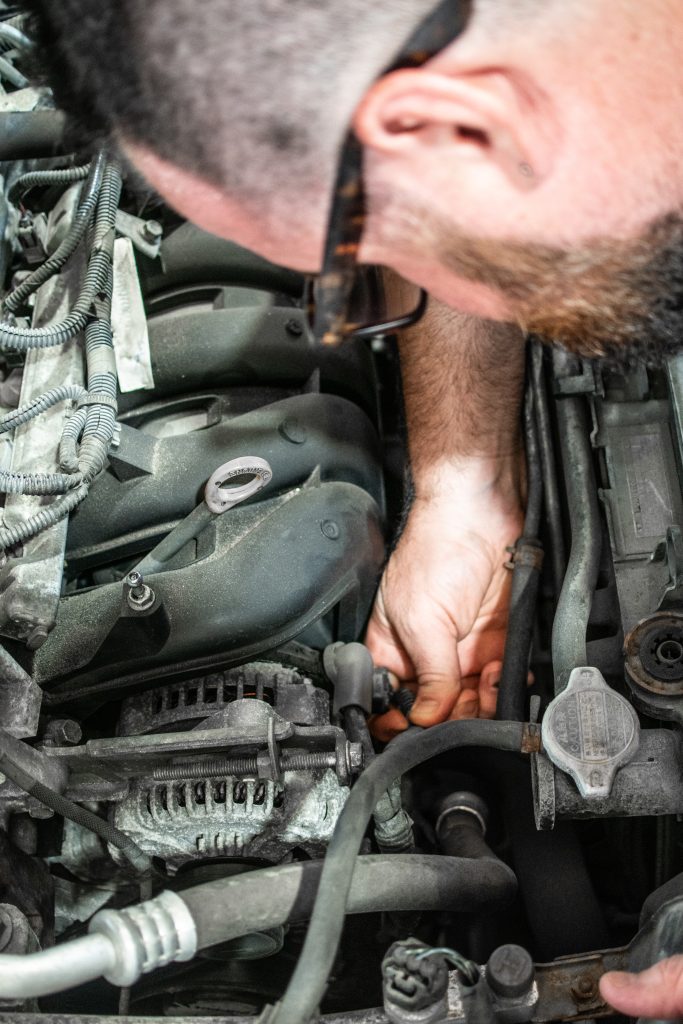
Because while your battery is indeed crucial – it’s what gives your car that initial jolt to start – it’s not the primary power generator once you’re cruising. That job belongs to a marvelous, often unsung hero called the alternator. Imagine your alternator as your car’s personal, tireless little power plant. Once the engine kicks over, the alternator takes over, constantly generating electricity to run everything: your radio, your lights, your wipers, your phone charger, and most importantly, to keep your battery topped up and ready for your next adventure.
So, when that little red friend lights up, it’s often hinting that your car's power plant, the alternator, isn’t doing its job properly. It might not be charging the battery, or it might not be sending enough juice to the rest of your car’s vital functions.
What Does Red Battery Light On Dashboard Mean | Americanwarmoms.org
It's like having a trusty barista who makes your coffee every morning. Your travel mug (the battery) holds the coffee, but the barista (the alternator) is the one actually brewing it. If the barista suddenly stops brewing, your mug might still have some coffee, but eventually, it’ll run dry. That’s what your car is trying to tell you! It’s not necessarily that your mug is broken, but that the coffee-making process has hit a snag.
This understanding can be surprisingly comforting. I once had a friend, Brenda, who called me in a near panic, convinced her car was "cursed" because the battery light had come on. She’d spent an hour trying to jump-start it, only for the light to return. When I explained about the alternator, a lightbulb seemed to go off in her head (pun intended!). She ended up needing a new alternator, not a new battery, and was genuinely relieved to understand the difference. It felt like solving a small mystery, connecting her more deeply to her beloved, if sometimes quirky, vehicle.
What Does RC Mean On A Battery? The Key To Choosing The Right Power
There's something uniquely heartwarming about understanding the signals our cars send us. They are, after all, some of our most loyal companions, whisking us away to work, on family vacations, or just for a quiet drive. When the battery light comes on, it’s not just a warning; it’s a form of communication. It’s your car, your trusty steed, whispering to you, "Hey, I need a little attention. Let's figure this out together."
It’s a reminder that even the most mundane parts of our lives, like the dashboard of our car, hold layers of hidden wonder and simple mechanics. Next time you see that battery light, instead of dread, you might just feel a tiny spark of curiosity, a newfound appreciation for the complex dance of electricity under your hood, and a quiet nod to your car's diligent little alternator, trying its best to keep the power flowing.
So, what should you do if you see it? Don't ignore it! Get your car to a trusted mechanic soon. But armed with this little secret, you can approach the situation with a calm smile, knowing that your car isn't "cursed," just perhaps in need of a little charge from its tireless, power-generating heart.