
What Does Face Value Mean For Tickets

Ever snagged a ticket and wondered what that "face value" thingy means? Don't worry, it's way simpler (and less scary) than it sounds! Think of it like this: it's the sticker price of fun.
The Basics: Your Ticket's Original Price Tag
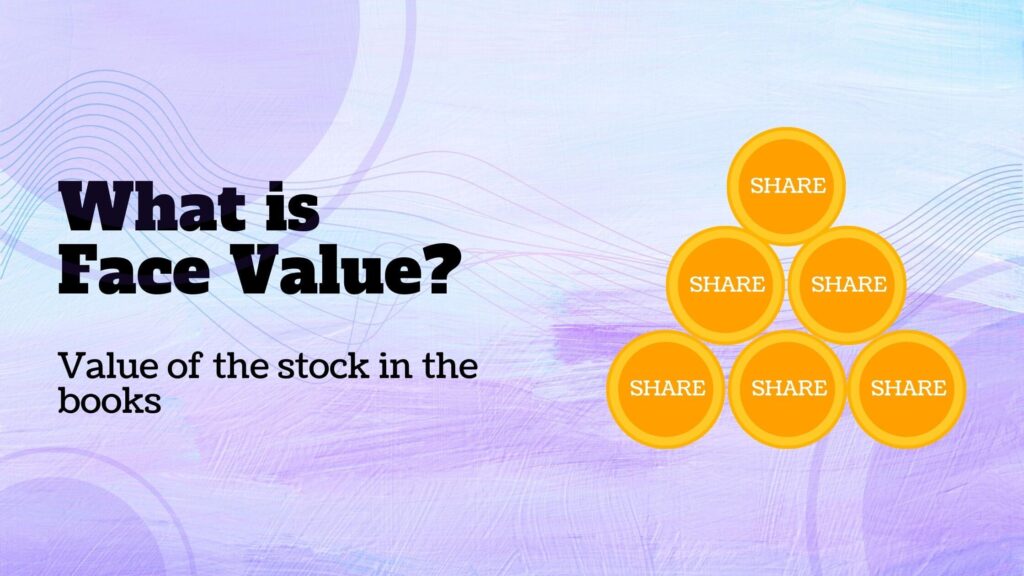
Face value is basically the price the venue or event organizer originally set for a ticket. It's what the price would be if you bought directly from them, before any sneaky fees or markups get added. Think of it as the ticket's official, unadulterated price. It's the real deal.
Imagine you're buying tickets to see your favorite band. The face value might be $50. That's what the concert promoter thinks is a fair price for you to witness awesome guitar riffs and maybe catch a glimpse of the drummer's sweat. It's the foundation of the ticket's worth.
Must Read
Beyond the Face: When Prices Go Wild
But here's where things get interesting. Sometimes, the price you actually pay is… well, not the face value. Why? Because of things like service fees, convenience fees, and, the notorious: the resale market.
These extra charges can inflate the price. You might end up shelling out $75 or even more for that $50 face value ticket. It's like buying a pizza, and then getting charged extra for the box and the person who hands it to you!
Resale markets, like StubHub or Ticketmaster's resale platform, can be a rollercoaster. If a show is super popular and sells out quickly, ticket prices on these sites can skyrocket way above face value. This is often driven by supply and demand. More people wanting tickets than there are tickets available? Price goes up!
Spotting the Deal (and Avoiding the Rip-off)
So, how do you navigate this ticket jungle and find a good deal? First, always try to buy tickets directly from the source: the venue's box office or the official ticketing website. That's your best shot at paying close to face value.

Look closely at the price breakdown. Websites usually list the face value separately from the fees. Knowing the original price helps you understand how much extra you're paying.
If you're going the resale route, compare prices across different platforms. Don't jump on the first ticket you see! Take a few minutes to shop around – you might find a hidden gem. Be wary of prices that seem too good to be true. They often are!
Why Should I Even Care About Face Value?
Knowing the face value is important for a few reasons. It gives you a benchmark for what the ticket should cost. This is especially helpful in understanding how much more you're paying when dealing with third-party sellers. Understanding the original price can also guide your buying decision. Are the extra fees worth it to you for this specific event?
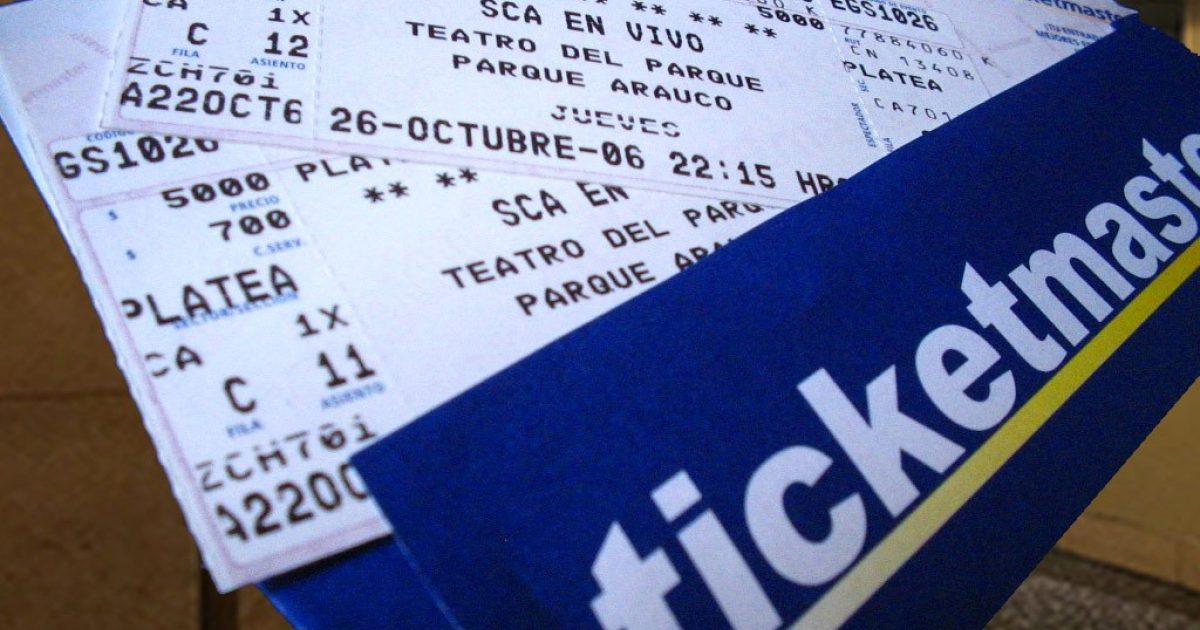
Think of it like buying anything else. You want to know the base price before you decide whether to add the bells and whistles. It's about being an informed consumer, even when that consumer is just trying to have a good time.
And who knows, maybe you'll even find tickets at face value! It's like finding a twenty-dollar bill in your old jeans. A little win that makes the concert (or play, or sporting event) even sweeter.

So, the next time you're hunting for tickets, keep that face value in mind. It's your guide to navigating the exciting, sometimes wild, world of live entertainment. Happy ticket hunting!
Remember, understanding the face value isn't just about saving money. It's about understanding the true worth of the experience you're buying. A concert ticket might be a gateway to unforgettable memories and pure joy.
And honestly, sometimes just knowing you got a good deal makes the whole experience even better. So, go forth and conquer the ticket market! May the face value be ever in your favor!