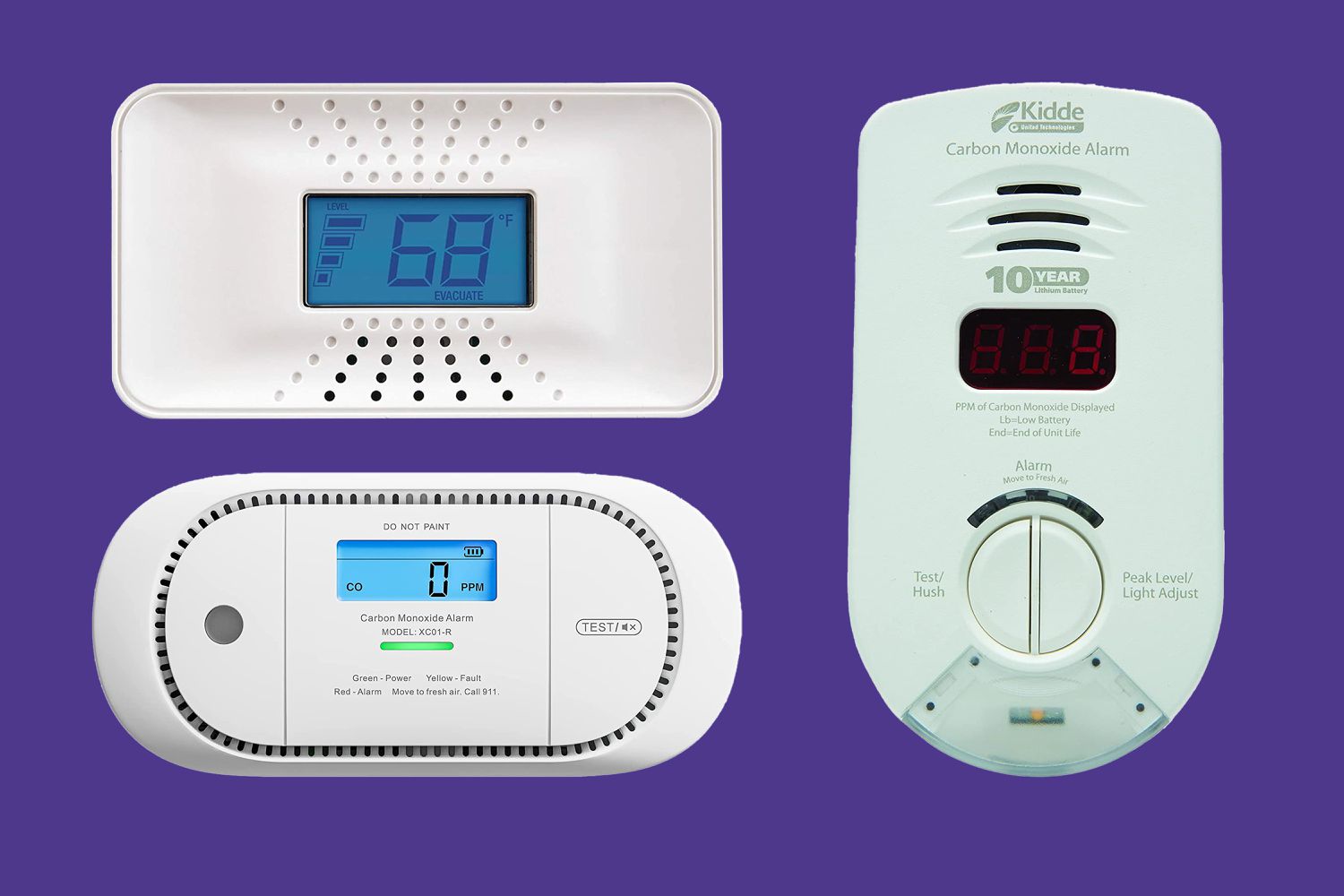
What Does End Mean On A Carbon Monoxide Detector
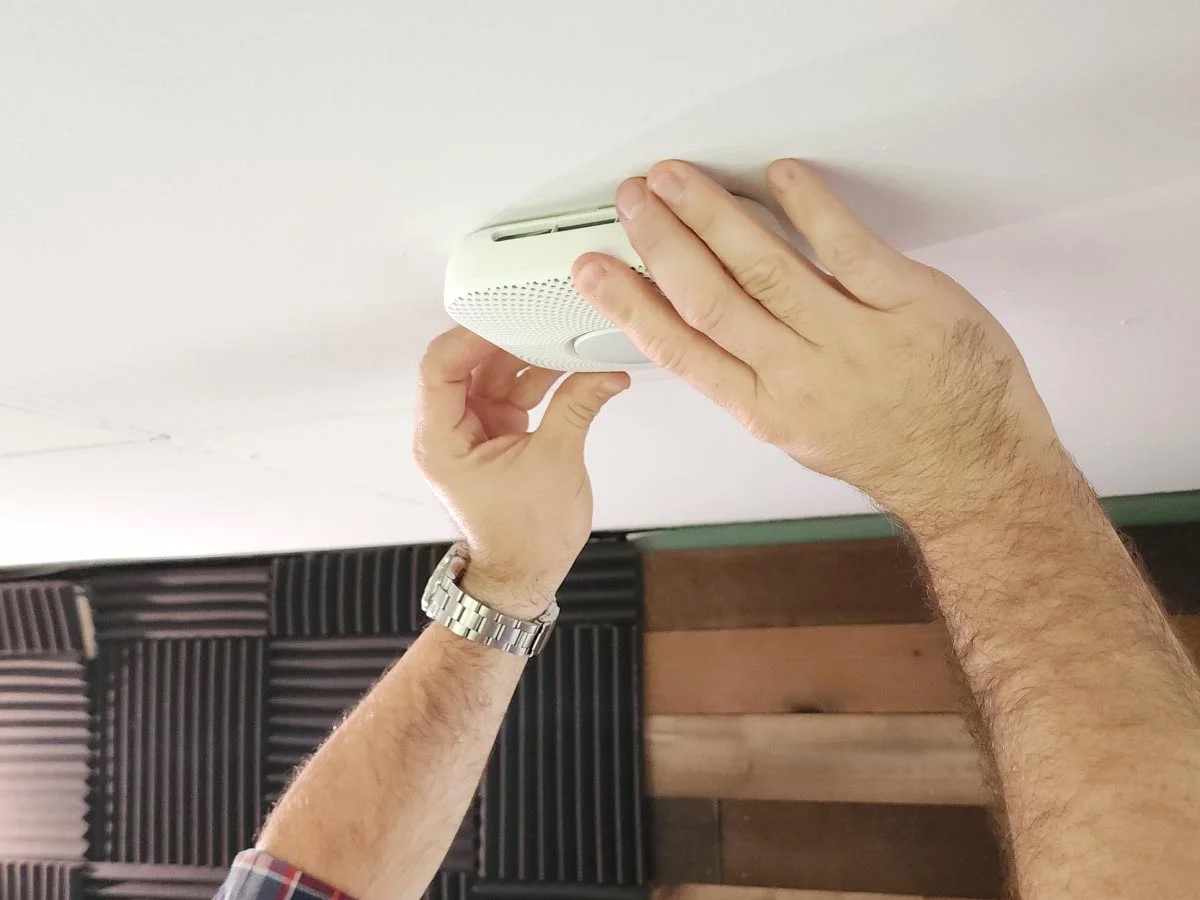
Ever glanced at your carbon monoxide (CO) detector and seen the word "END" staring back at you? If your heart did a little flutter-kick of panic, you’re not alone! It looks serious, like something out of a sci-fi movie where the world is about to, well, end. But don't worry, friend, it’s not a distress signal from the future. It’s actually your device politely, yet firmly, telling you it’s time to retire.
Think of your CO detector as a tiny, vigilant guardian in your home, constantly sniffing out an invisible, odorless, and utterly deadly gas. It’s the unsung hero, the silent protector, keeping watch while you binge-watch your favorite shows or drift off to dreamland. And just like any good hero, even they have an expiration date.
So, What Does "END" Actually Mean?
When your carbon monoxide detector flashes or displays "END," it’s simply signaling its end-of-life. This isn’t an alarm indicating the presence of CO gas (that would be a loud, insistent beeping!). Instead, it's a built-in reminder from the manufacturer that the sensor inside the unit is no longer reliable. It's basically saying, "My watch is over, time for a fresh recruit!"
Must Read
The sensor is the heart of your CO detector, and over time, it naturally degrades. It’s similar to how the active ingredients in your sunscreen lose their efficacy after a year, or how that carton of milk definitely has an expiry date. The technology isn't magical; it's chemical, and chemicals have a shelf life.
Why Do They "End"? The Science Behind the Sunset
Most carbon monoxide detectors use an electrochemical sensor. This little marvel reacts with CO molecules, creating an electrical current that the detector can measure. When CO levels are too high, it triggers the alarm. But these chemical electrodes and solutions don't last forever. Over several years, they can dry out, become less sensitive, or simply wear down from constant exposure to everyday air and tiny impurities.
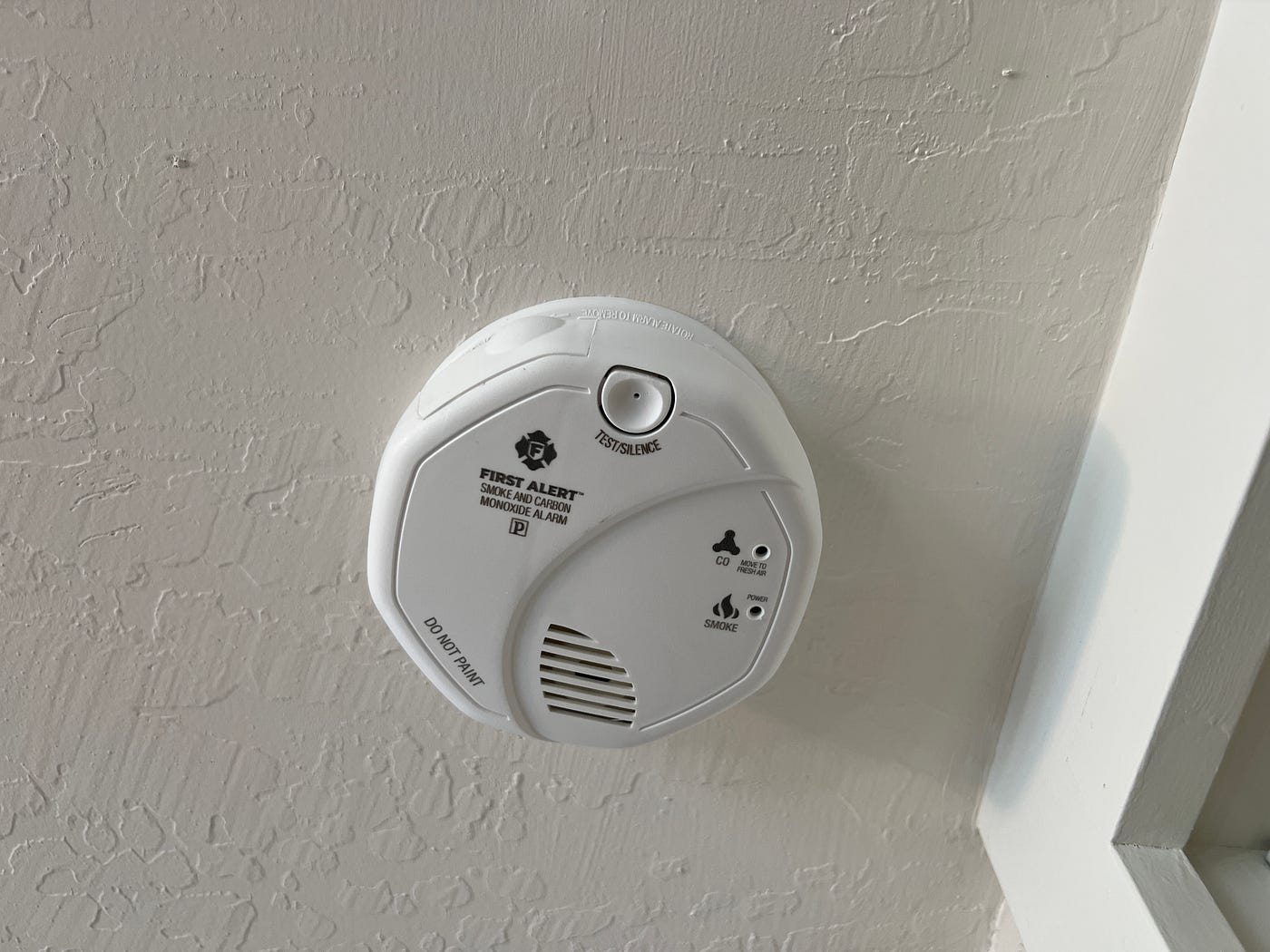
Manufacturers build in this "END" warning to ensure that you're always protected by a fully functional device. It's a fantastic safety feature, honestly. Would you rather a detector fail silently, or give you a heads-up that it's calling it quits?
How Long Do These Silent Sentinels Last?
Typically, most CO detectors have a lifespan of 5 to 10 years. The exact duration depends on the specific model and manufacturer. You can usually find this information printed on the back of the unit or in the user manual. Think about it: a decade is a long time in tech! That trusty flip phone from 2005 probably wouldn't be very reliable now, would it?
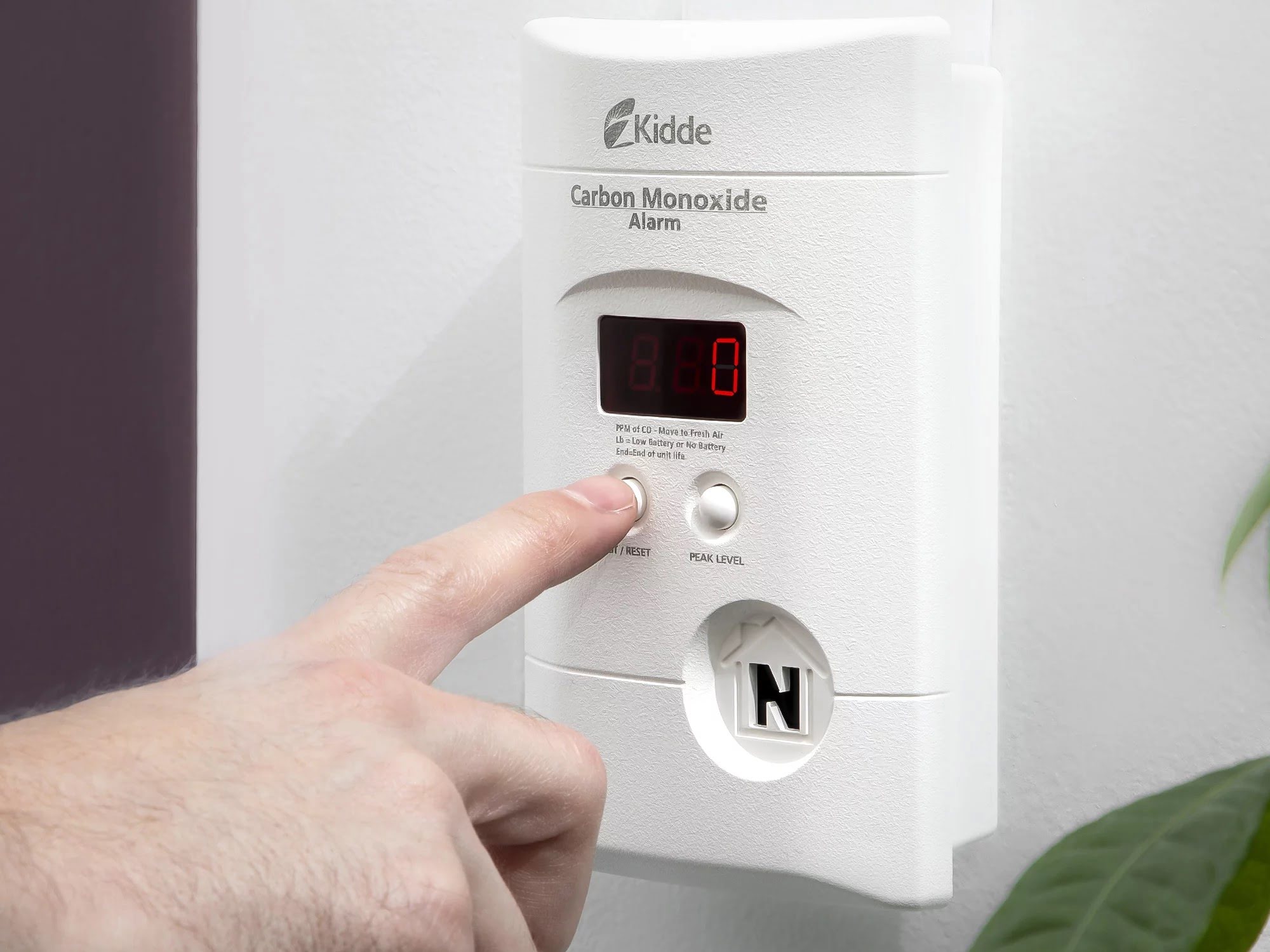
Some smart detectors might even give you a countdown, adding a touch of digital flair to their retirement announcement. Always check the packaging or the device itself for its specific "replace by" date.
Okay, I See "END." Now What?
This is the easy part, and perhaps the most important! When your CO detector says "END," it's time to replace it immediately. Don't procrastinate! Just like you wouldn't drive on bald tires, you shouldn't rely on an expired CO detector.
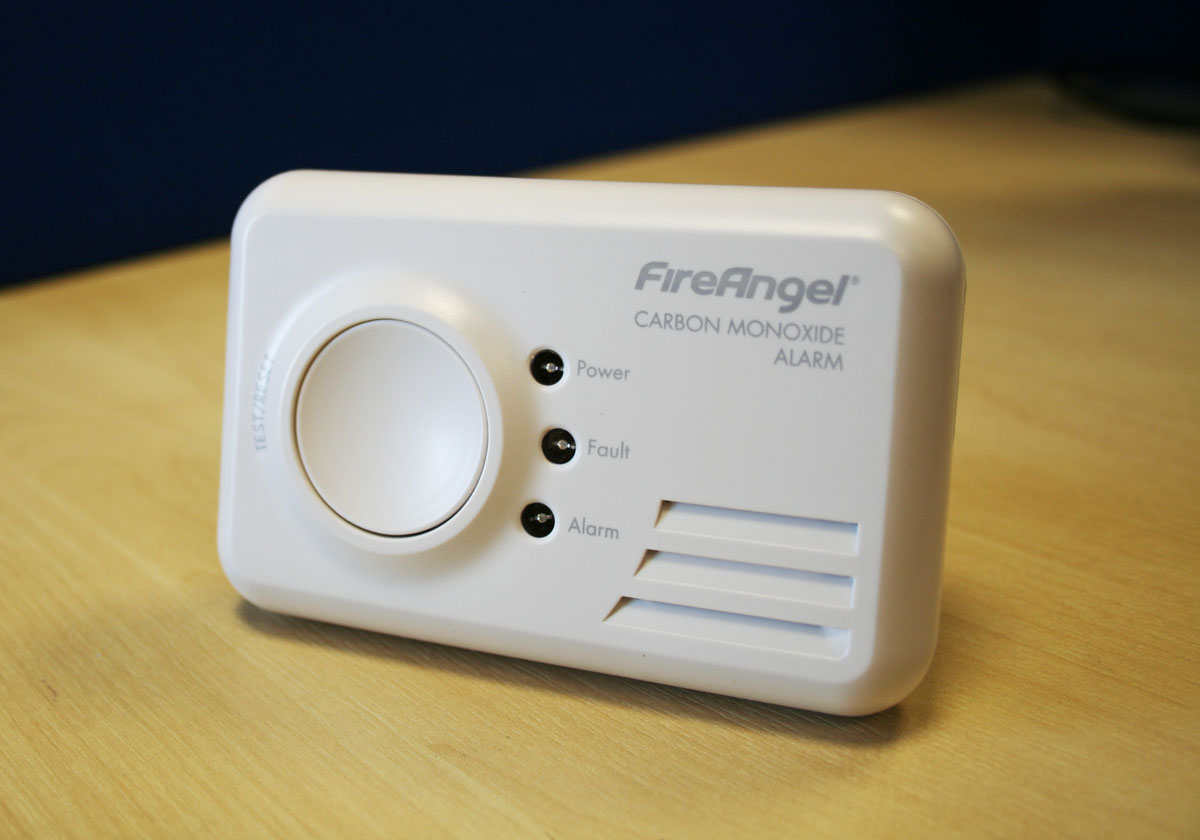
- Unplug/Remove: Take down the old unit.
- Dispose Responsibly: Some electronic waste centers accept old detectors. Check your local regulations.
- Get a New One: Head to your local hardware store or favorite online retailer. Consider a combination smoke and CO alarm for double the protection!
- Install Correctly: Follow the new unit's instructions for placement. Generally, CO detectors should be on every level of your home, near sleeping areas, and where you spend most of your time.
Remember, CO detectors are relatively inexpensive given the priceless safety they provide. It's a small investment for massive peace of mind, like buying a good quality lock for your front door or putting a helmet on your kid before they bike.
Beyond "END": Keeping Your Home Safe and Sound
The "END" signal is just one piece of the safety puzzle. Here are a few other tips to keep your home's air quality on point:
- Test Regularly: Press the "test" button at least once a month. This checks the battery and circuitry, not the sensor itself.
- Clean Gently: Dust can build up and interfere with the sensor. A quick vacuum with a soft brush attachment can keep it clear.
- Know the Sources: Furnaces, water heaters, gas ranges, fireplaces, and even car exhaust in an attached garage can be sources of CO. Ensure proper ventilation and regular maintenance of these appliances.
In a world that often feels unpredictable, it’s comforting to know there are simple, proactive steps we can take to protect ourselves and our loved ones. Checking your CO detector isn't just a chore; it's a testament to caring for your home and the people within its walls. It’s a little act of foresight that paves the way for countless serene nights and vibrant days. So next time you see "END," give a silent nod of thanks to your old detector for its service, and welcome its successor with open arms (and fresh batteries!).