
What Does A Spider Cocoon Look Like

Okay, so you've spotted something weird in your garden. Maybe even in your house (yikes!). Could it be a spider cocoon? Let's dive in and see what these mysterious nurseries actually look like.
Spider Cocoon 101: Not What You Think!
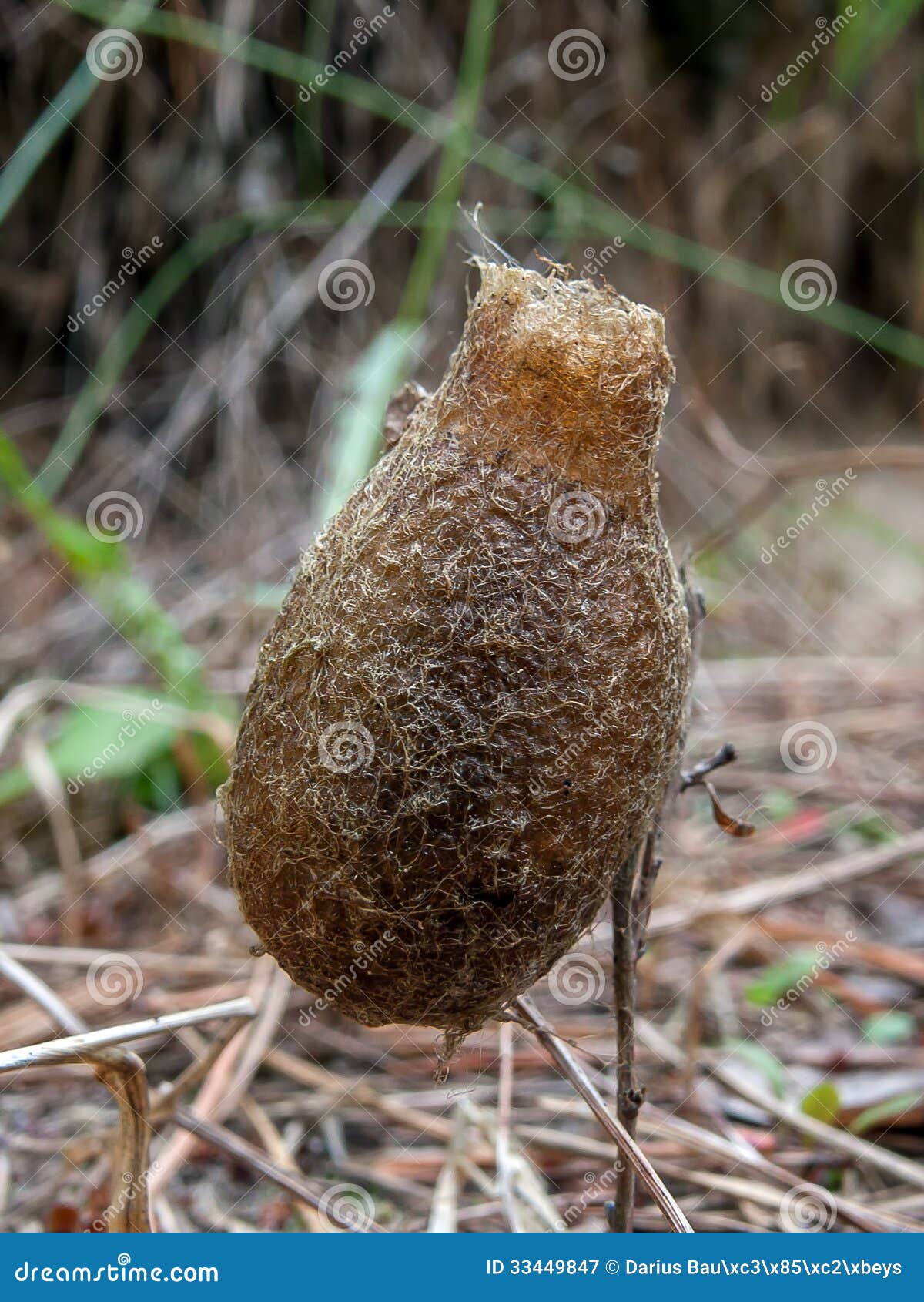
First things first, ditch the image of a silkworm's cozy bed. Spider cocoons aren't always the neat, oval structures you might expect. They're more like… packages. Bundles. Tiny, silk-wrapped surprises.
Think of it as a spider's version of a to-go container for their future babies. Lots and lots of babies! We're talking potentially hundreds, maybe even thousands, depending on the spider species.
Must Read
So, what do these little baby carriers actually look like? Well, it's complicated.
Shape-Shifting Silk: Variations Galore
The shape? Anything goes! You might find round ones, oval ones, even flat, disc-shaped ones. Some are neatly tucked into crevices. Others dangle precariously from webs. Talk about dedication!
Color-wise, it's a similar story. White and cream are common, but you can find them in shades of brown, yellow, or even green! It really depends on the spider and what materials they use for camouflage. Think of it as spider-chic.
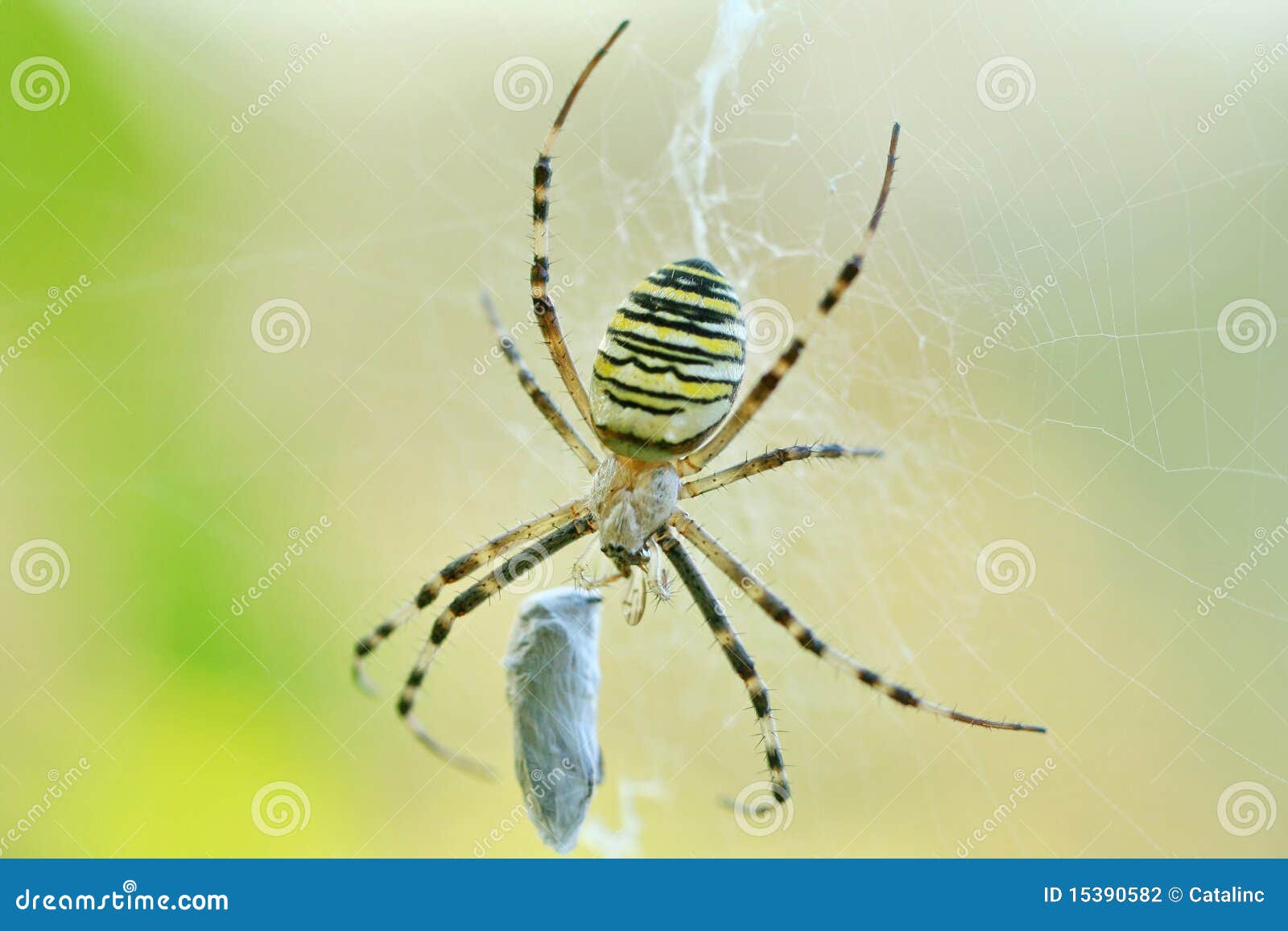
And texture? Some are smooth and papery. Others are fluffy and cottony. Still others might have bits of dirt or debris woven in for extra protection. They're like tiny, customized fortresses!
Material Matters: Silk, and Maybe More!
Silk is the main ingredient, of course. But some spiders get creative. They might incorporate bits of leaves, twigs, or even dead insects into their egg sacs. Recycling at its finest!
The silk itself is fascinating. It's incredibly strong and durable, protecting the eggs from predators and the elements. Spider silk is a marvel of nature, and the cocoons are a testament to its power.

Location, Location, Location!
Where you find the cocoon is a big clue. Some spiders are super protective moms. They'll carry their egg sac around with them everywhere. Imagine lugging around a bag containing hundreds of future children! Talk about commitment.
Others will hide their cocoons in secluded spots: under rocks, in tree bark, or even inside their own webs. Some even build special "nursery webs" just for their babies. Seriously, these spider moms are hardcore.
Size Matters (Sort Of)
Spider cocoons can be tiny, barely bigger than a grain of rice. Or they can be quite large, approaching the size of a small marble. It all depends on the spider and the number of eggs inside.
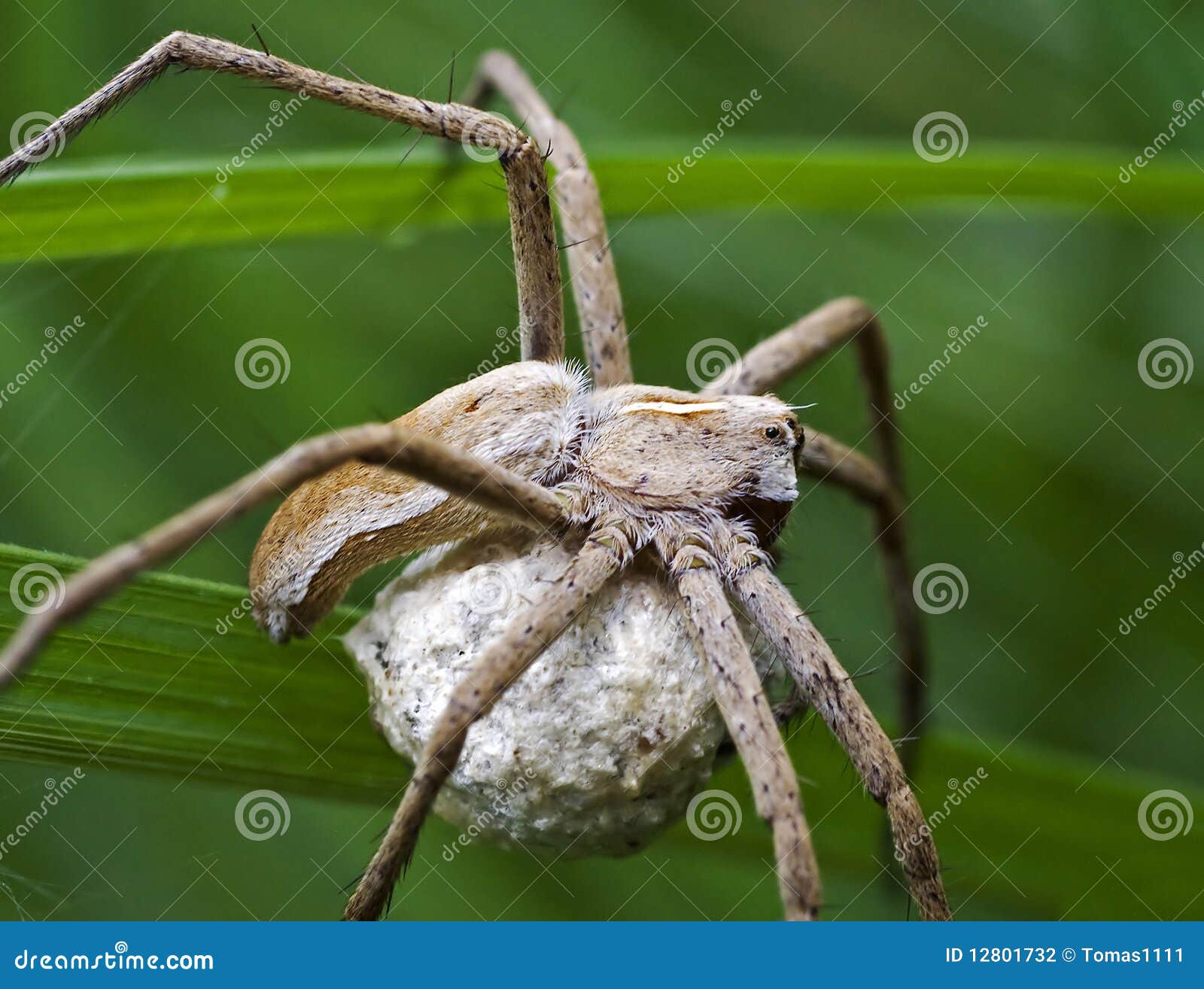
Keep in mind, the bigger the cocoon, the more babies! So, if you find a giant one, prepare yourself for the possibility of a spider explosion in the near future. Just kidding! (Mostly.)
Identifying the Culprit: A Tricky Task
Unfortunately, without seeing the spider itself, it can be tough to identify which species made the cocoon. But if you can snap a picture of the cocoon and the surrounding area, you might be able to narrow it down with a little online research.
Just be prepared to enter the fascinating (and sometimes creepy) world of spider identification. It's a rabbit hole you might never escape!
Should You Be Worried?
Okay, so you've found a spider cocoon. Now what? Should you panic? Probably not. Most house spiders are harmless. They're more interested in catching insects than bothering you.
However, if you're not a fan of spiders, you can carefully remove the cocoon and relocate it outside. Just be gentle! You don't want to damage the eggs or anger the spider mom. Happy relocation!
But before you evict your eight-legged tenants, take a moment to appreciate the intricate engineering and maternal dedication that goes into each spider cocoon. They're a tiny marvel of the natural world, even if they do give you the creeps a little.
So, next time you spot a mysterious silk package, remember: it might just be a spider's way of saying, "Hello world! Here come my hundreds of kids!"