What Does A Cow Use To Cut The Grass
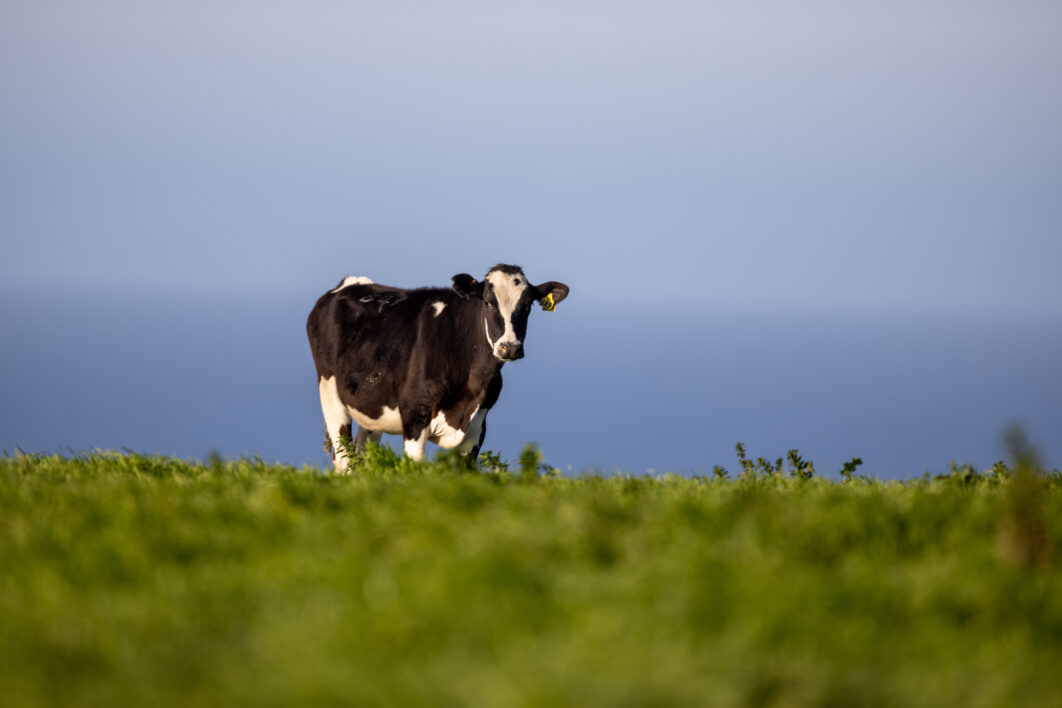
There's something undeniably charming about watching cows graze in a pasture. It's a picture of rustic serenity, a connection to simpler times. We admire it on farms, see it in movies, and even use the image to sell everything from milk to rural real estate. But have you ever stopped to consider exactly how a cow manages to keep the grass trimmed so efficiently?
The truth is, a cow doesn't use a pair of tiny, adorable scissors, nor does it employ some kind of miniature, internal lawnmower. The cow's method is much more ingenious, and directly related to its unique digestive system. Think of a cow as a walking, talking, grass-processing machine. Its "cutting" tools are primarily its teeth and its incredibly powerful tongue.
The benefits of a cow's grazing habits are twofold. First, it provides the cow with the essential nutrients it needs to survive and produce milk (or beef, depending on the breed). Grass is the foundation of a cow's diet, providing fiber, vitamins, and minerals. Secondly, a cow's grazing plays a crucial role in pasture management. By consuming the grass, cows prevent it from growing too tall and becoming tough and unpalatable. They essentially act as natural lawnmowers, helping to maintain a healthy and productive pasture ecosystem. This, in turn, supports biodiversity by preventing any single species of grass from dominating.
Must Read
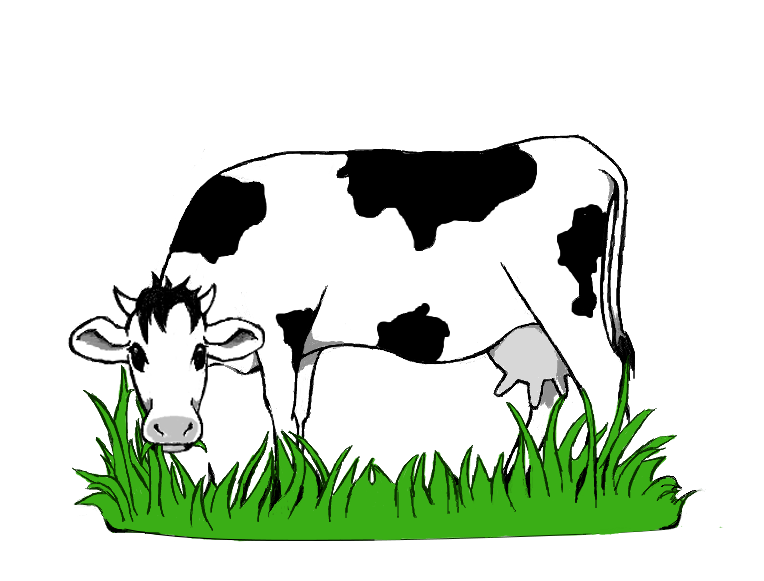
So, how does this grass-cutting system actually work? Cows have a unique dental arrangement. They lack upper incisors. Instead, they have a tough dental pad. They use their strong tongue to grasp the grass, pulling it into their mouth. Then, they clamp down with their lower incisors against the dental pad and tear the grass. It’s a tearing action, not a precise cut like you'd get with scissors or a mower. The grass is then swallowed and begins its journey through the cow's four-chambered stomach.
Cows are often used in rotational grazing systems, where they are moved from one pasture to another on a regular basis. This allows the grass in each pasture to recover and regrow, preventing overgrazing and promoting healthy plant growth. This is applied on farms and ranches all over the world.

Want to appreciate the bovine lawnmower more effectively? Here are a few tips:
- Observe carefully: Next time you see cows grazing, take a moment to watch their technique. Notice how they use their tongues and teeth to gather and tear the grass.
- Learn about different breeds: Different breeds of cows have different grazing preferences and abilities. Some are better suited to certain types of pasture than others.
- Support sustainable agriculture: By supporting farms that use responsible grazing practices, you can help promote healthy ecosystems and delicious, ethically produced food.
- Take a farm tour: Many farms offer tours where you can learn more about how cows are raised and how they contribute to the farm's ecosystem.
So, the next time you admire a lush green pasture, remember the humble cow and its ingenious grass-cutting capabilities. It's a testament to the power of nature and the remarkable adaptations of the animal kingdom. It is the unsung hero of maintaining beautiful landscapes, one bite at a time.