
What Does A 1999 Wide Am Penny Look Like
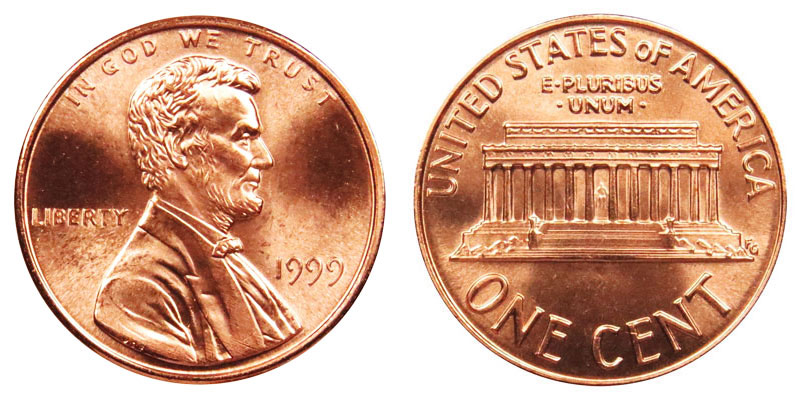
Okay, so you want to know about a 1999 Wide AM penny? Buckle up! It’s way more exciting than it sounds, promise.
Basically, we're talking about a tiny error on a really, really common coin. But that error makes it kinda…special.
What's the Deal with the "AM"?
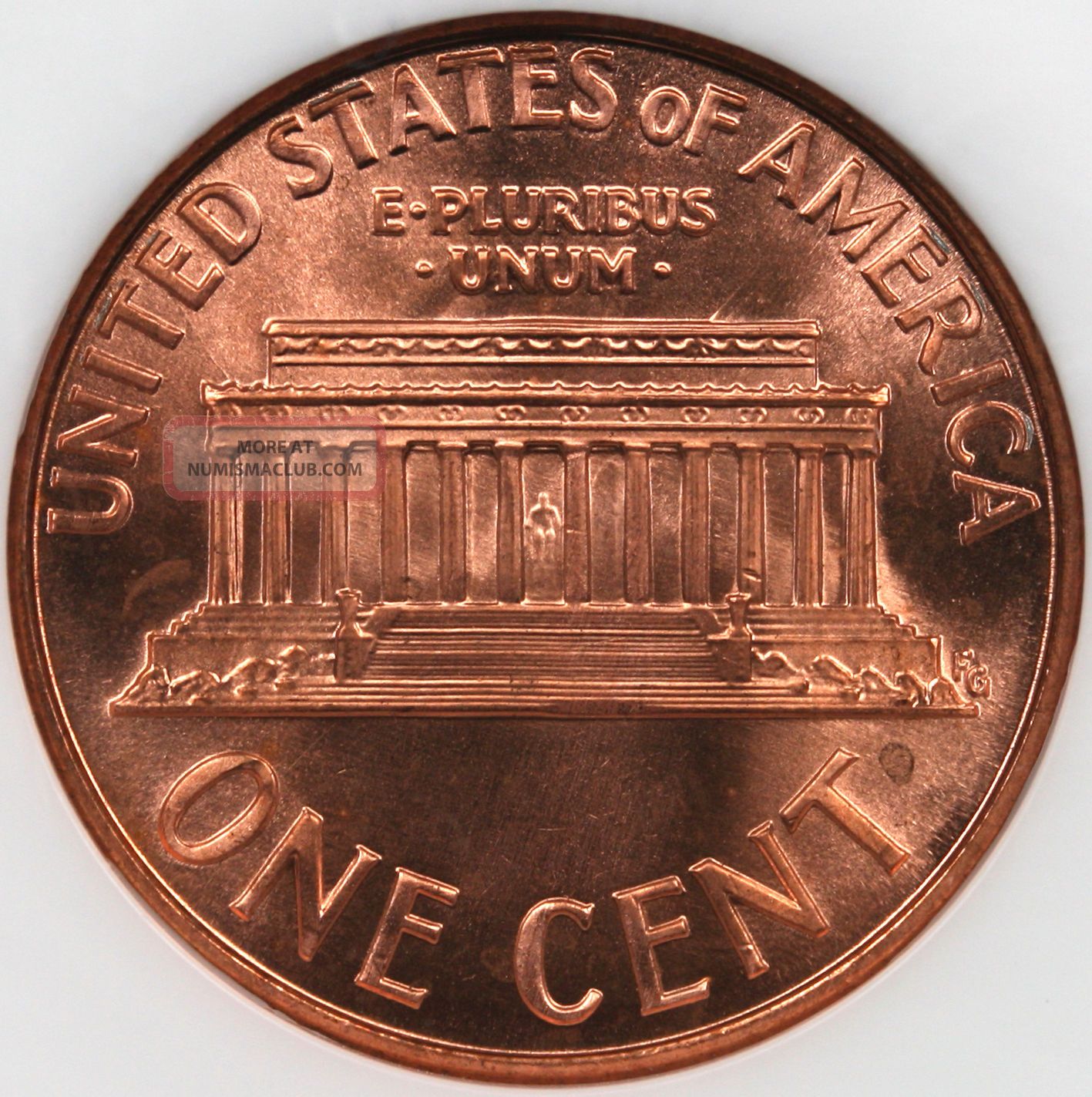
It's all about the letters "A" and "M" in "AMERICA" on the back of the coin. Normally, they're super close together. Like, practically touching, best-friends-forever close. That’s the usual, boring way.
Must Read
But on a "Wide AM" penny? There's a noticeable space. A real, honest-to-goodness gap. Like the "A" and "M" had a disagreement and need some personal space.
Think of it like this: regular AM = AM (stuck together!). Wide AM = A M (room to breathe!). Get it?
Why Does It Matter?
Good question! See, the U.S. Mint made a mistake. They accidentally used a proof die (a special die used for making collector coins) on regular circulation pennies. Whoops!
These proof dies had the wider spacing. So, a bunch of pennies slipped through with this little error. And collectors, being the eagle-eyed bunch they are, noticed.

And that's when the fun began. The hunt was ON! Could you find a 1999 Wide AM penny hiding in your change jar?
So, What Does It Really Look Like?
Alright, let's get visual. Grab a 1999 penny. Any 1999 penny will do for practice. Now, flip it over.
Squint. (Or grab a magnifying glass, no judgment here). Look at "AMERICA." Are the A and M practically glued together? If so, you've got a regular, run-of-the-mill 1999 penny. Still cool, but not a Wide AM.
Now, imagine a tiny sliver of air between those letters. A space big enough for, say, a microscopic ladybug to crawl through. That’s what you're looking for. That, my friend, is the holy grail of 1999 pennies.
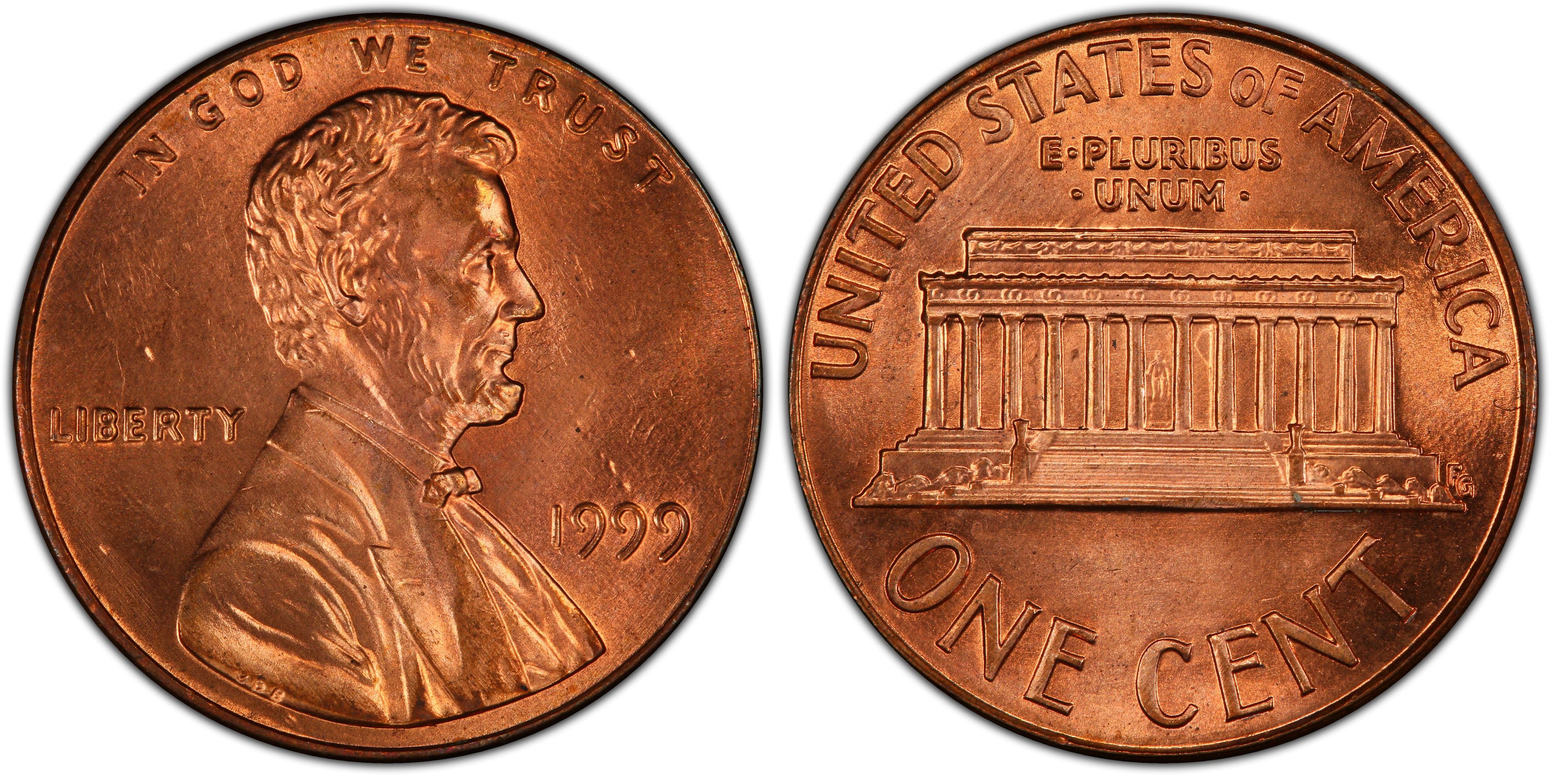
The key is the distinct separation. It's not just a little smudge or a barely perceptible gap. It's a clear, visible space. Like the letters deliberately chose to stand apart.
Is It Worth a Fortune?
Ah, the million-dollar question! (Okay, maybe not a million dollars.) The value of a 1999 Wide AM penny depends on a few things.
First, condition is king. A shiny, uncirculated penny is worth more than a beat-up, worn-out one that’s been rolling around in your pocket for years.
Second, demand plays a role. If a lot of people are looking for this particular error, the price goes up. Simple economics!

Generally, a 1999 Wide AM penny in good condition can fetch a few bucks. Maybe even more if it’s graded and certified. Don't expect to retire early, but it's a fun find!
Other Years to Watch Out For!
Here's a fun twist! The 1998 Wide AM penny also exists! It's the same idea – the wide spacing between the A and M. So, keep an eye out for those too!
Why? Because 1992 is the year they switched from a close AM to a wide AM. But there exist pennies from 1992 with a close AM. That penny is more rare than the 1999 and 1998 Wide AM.
Why Is This Even Interesting?
I get it. We're talking about a tiny error on a common coin. So, why bother?
Well, it's the thrill of the hunt! It's the idea that a little mistake can make something ordinary extraordinary.
It's a reminder that even in the most mass-produced items, there can be unique variations, hidden gems just waiting to be discovered.
Plus, it's just a fun conversation starter. Imagine telling your friends you're a "penny error hunter." You'll be the coolest person at the party! (Okay, maybe not. But you'll have a good story to tell.)
Ready to Start Hunting?
So, grab your magnifying glass, empty your coin jar, and get searching! Who knows? Maybe you'll be the next lucky person to find a 1999 Wide AM penny and join the ranks of the error-hunting elite!
And even if you don't find one, you'll still have a bunch of pennies. Which you can use to buy… well, maybe not much these days. But hey, you can always start another coin collection!