What Do Fossil Fuels Look Like

Ever stopped to think about what our energy actually looks like? We flip a switch, the lights come on. We fill up the car, and it goes. But what are we actually putting in the tank, or burning in the power plant? We hear the term "fossil fuels" all the time, but for most of us, they're pretty much invisible. They're abstract concepts, hidden deep underground or processed into something else entirely.
So, let's get curious! What do these ancient, energy-packed substances – coal, oil, and natural gas – actually look like if you were to hold them in your hand (or, well, try to)? Prepare for some cool comparisons and a little peek into Earth's buried treasures.
Coal: Earth's Black, Shiny Chunks
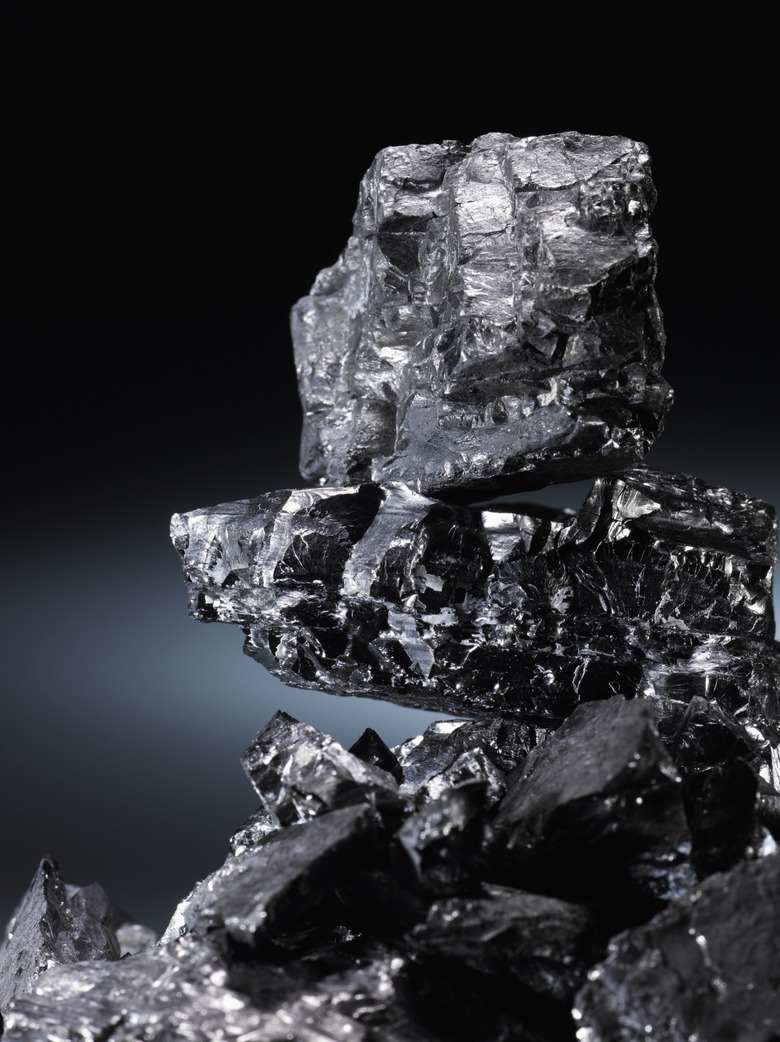
Let's kick things off with coal. This is probably the one most people have seen, or at least have a good mental image of. Think of it as Earth's very own concentrated, ancient plant material. When you see coal, it's usually in solid, dark chunks. Depending on the type and how much pressure it's been under, it can look pretty different.
Must Read
Some coal, like anthracite, is incredibly shiny, almost like a polished black stone or even a piece of obsidian. It's hard and dense, reflecting light beautifully. You might even mistake it for a decorative rock! Other types, like lignite or bituminous coal, can be duller, more crumbly, and sometimes even have visible layers or bits of plant material still embedded in them. Imagine a very old, compressed, and hardened piece of burnt wood, but infinitely older and denser. It's truly amazing to think that each lump was once a vibrant green plant, soaking up the sun's energy millions of years ago, now transformed into a dark, energy-dense rock.
So, if you picked up a piece of coal, you'd be holding something that feels remarkably solid, surprisingly heavy for its size, and generally very, very dark. It's the most tangible of the fossil fuels, a literal chunk of compressed history.

Oil (Petroleum): The Earth's Gooey Gold
Now, let's move onto oil, or petroleum. Unlike coal, you're not going to be picking up a neat chunk of oil. Crude oil, as it's called before refining, is a liquid. But don't picture something thin and watery like juice. Oh no, crude oil is famously viscous. Think less water, more... molasses, or thick syrup, maybe even tar.
Its color can vary wildly too! While we often picture oil as "black gold," crude oil can actually range from dark brown to black, sometimes with a greenish or even reddish tint. Some very light crude oils can even be a yellowish-brown. It's often opaque, meaning you can't see through it at all, and it has a very distinct, often pungent, smell that's a mix of earthy and chemical. It definitely doesn't smell like roses!
Imagine pouring a bottle of really thick, dark, slightly metallic-smelling pancake syrup. That's a decent visual approximation for what crude oil might look like. It flows slowly, coating everything it touches, and leaves a persistent residue. It’s a messy, fascinating substance, born from countless tiny marine organisms that lived in ancient oceans and were cooked under pressure over eons.

Natural Gas: The Invisible Powerhouse
And finally, we come to natural gas. This is where things get truly intriguing, because what does it look like? Well, here's the kicker: natural gas is invisible! Yup, you can't see it. It's a gas, just like the air we breathe, but with a different chemical composition, primarily methane.
So, if you were to "hold" natural gas, you wouldn't hold anything. You wouldn't see anything. You wouldn't even smell anything, ordinarily. Pure methane is actually odorless. The distinctive "rotten egg" smell we associate with natural gas (like from a gas stove or a leak) is actually an additive called mercaptan. It’s deliberately put in for safety, so we can detect leaks! Without it, a leak could go unnoticed, which would be incredibly dangerous.
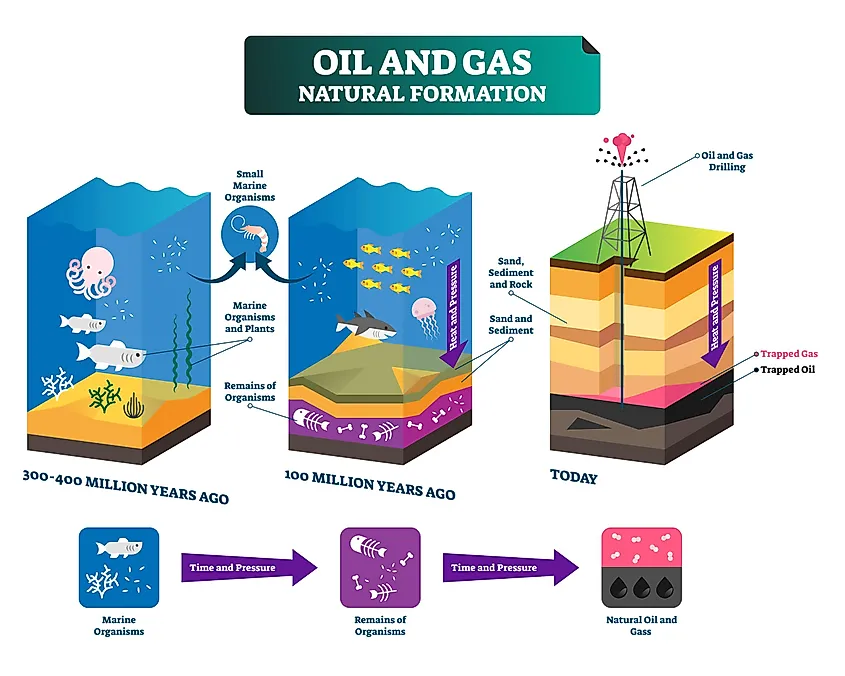
So, to picture natural gas, you have to imagine nothingness – an empty space filled with molecules buzzing around, ready to ignite and release incredible amounts of energy. It’s the ultimate hidden power, transported through pipelines unseen, bringing heat and light into our homes without ever showing its face.
Other Not-So-Common Cousins
There are also some less conventional fossil fuels like oil shale and tar sands. Oil shale looks like layers of dark rock, often with visible streaks, that contains a solid form of petroleum called kerogen. When heated, this rock releases oil. Tar sands, on the other hand, look exactly what they sound like: sand mixed with a very thick, tar-like form of oil called bitumen. It's gritty, sticky, and often dark brown or black. These are like the less refined, still-in-the-earth versions of petroleum, requiring a bit more processing to get to the usable oil.
A Journey Through Time, Visually
So, there you have it! From the shiny black chunks of coal that were once ancient forests, to the gooey, dark syrup that is crude oil, born from microscopic sea life, and finally to the invisible energy of natural gas, these fossil fuels offer a truly diverse visual (and non-visual!) spectrum. They are tangible reminders of Earth's deep history, millions of years in the making, and a fascinating look into the raw materials that have powered our world for so long.