
What Determines The Identity Of An Atom

Ever wonder why gold is so shiny and doesn't rust, while iron is strong but prone to turning orange? Or why helium makes balloons float, and oxygen keeps us alive? At its core, these fundamental differences come down to something incredibly small: the atom. And what dictates the identity of an atom? It's like understanding the secret ingredient in your favorite recipe – it makes all the difference!
Understanding what defines an atom isn't just some abstract scientific concept; it's the foundation of almost everything we interact with daily. From the medications we take to the electronics we use, and even the food we eat, everything is made of atoms and their unique properties. This knowledge allows scientists to create new materials, develop life-saving drugs, and understand the universe around us. Think about solar panels – they work because we understand how certain atoms interact with light. Or consider plastics – their properties are meticulously engineered by manipulating the types of atoms and how they're bonded together.
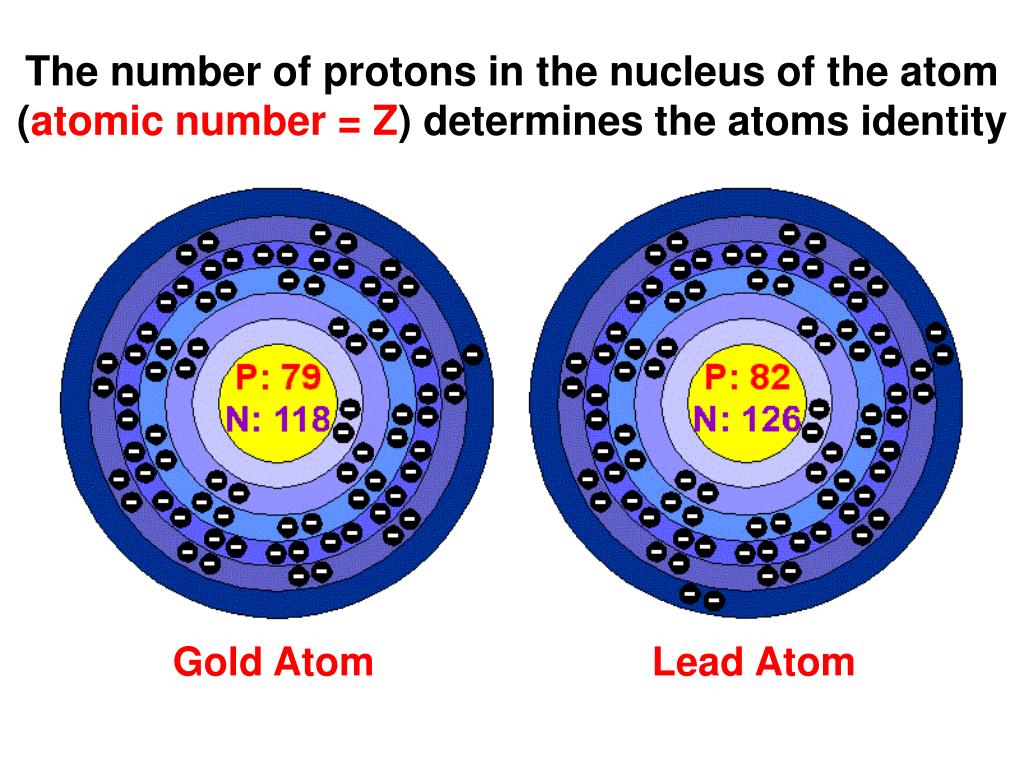
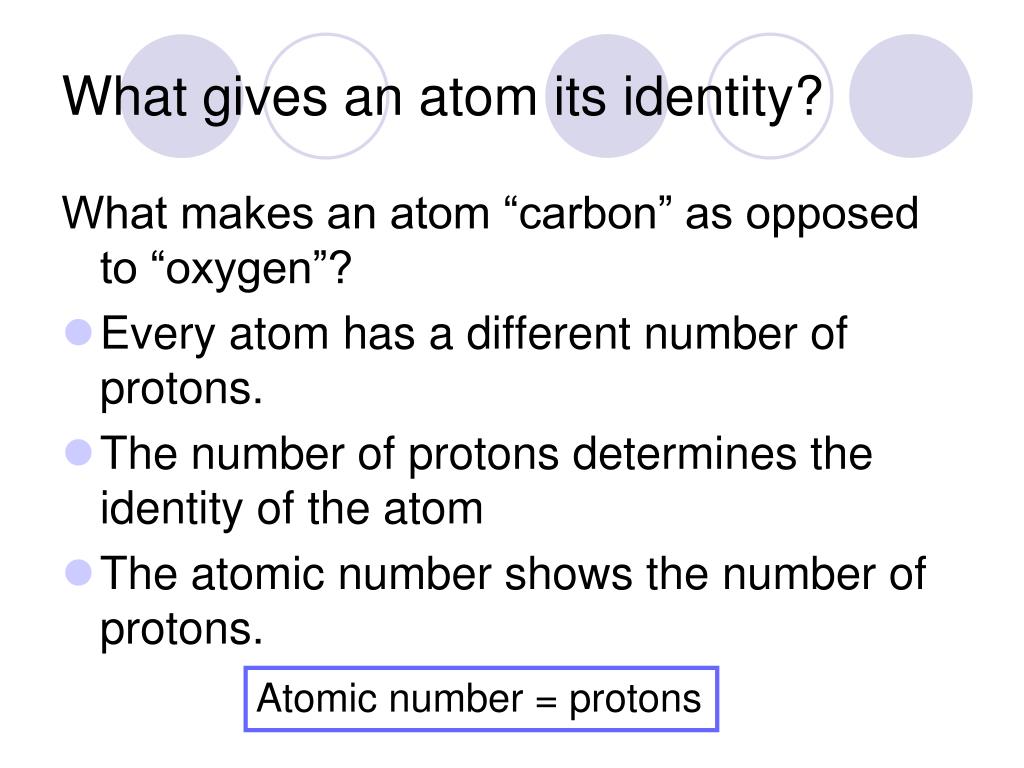
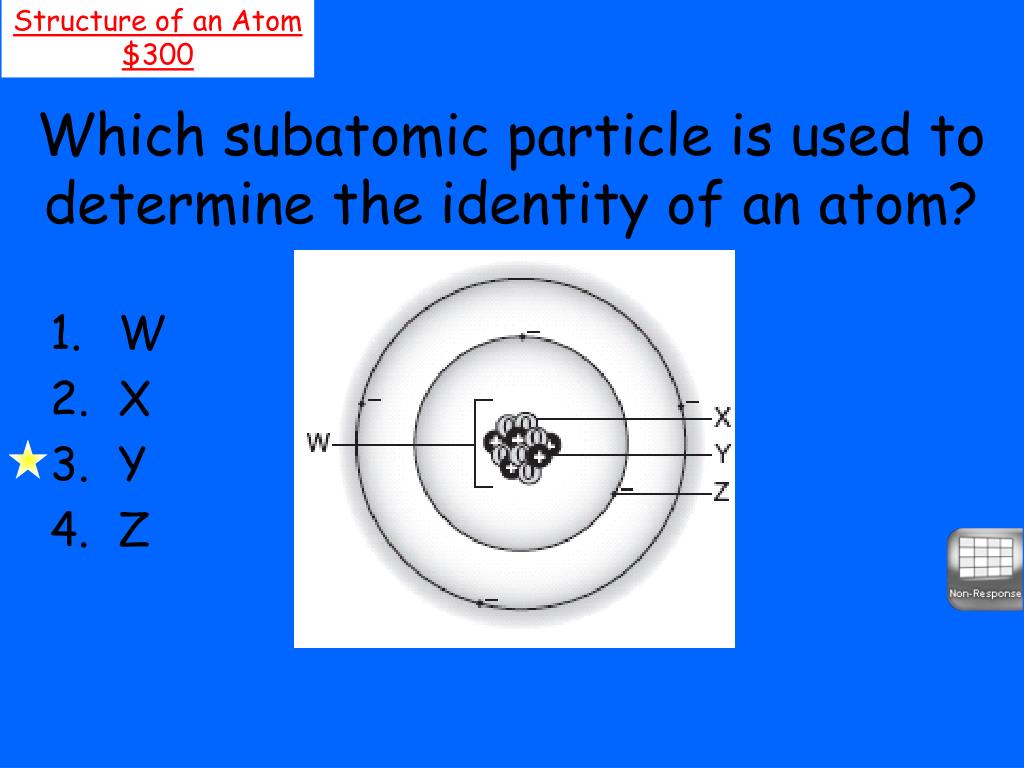
So, what's the magic number that determines what an atom is? It's the number of protons in its nucleus. We call this the atomic number. Each element on the periodic table has a unique atomic number. Hydrogen, the simplest element, has one proton. Helium has two. Gold has a whopping 79! This number is absolutely fundamental. If you change the number of protons, you change the element. Imagine turning lead into gold – alchemists tried for centuries, and the only way to actually do it involves changing the number of protons in lead's nucleus, a process that requires incredible amounts of energy.
Must Read
But what about neutrons and electrons? While they don't define the element, they certainly play crucial roles. Neutrons contribute to the atom's mass and affect its stability. Atoms of the same element can have different numbers of neutrons; these are called isotopes. For example, carbon-12 and carbon-14 are both carbon, but carbon-14 has two extra neutrons, making it radioactive and useful for carbon dating. Electrons, on the other hand, orbit the nucleus and determine how an atom interacts with other atoms, forming chemical bonds. The arrangement of electrons gives each element its distinct chemical properties, influencing how it reacts with other substances. For instance, the reason sodium and chlorine combine explosively to form table salt is due to how their electrons interact.
To truly grasp the concept, try these tips: First, explore the periodic table! Many interactive versions online let you click on each element to learn about its properties and structure. Pay attention to the atomic number. Second, watch documentaries or videos about atomic structure and chemical reactions. Visual aids can make complex concepts easier to understand. Finally, think about the materials around you. What elements are they made of? How do their properties relate to the types of atoms they contain? By actively engaging with the information, you'll not only understand what determines the identity of an atom but also appreciate the amazing complexity and beauty of the world around us.
.jpg)