What Causes Smoke Detectors To Chirp

Ah, the smoke detector chirp. It's a sound that can jolt you from a peaceful sleep faster than a bucket of ice water, often at the most inconvenient hour. You know the one: an insistent, repetitive, and frankly, quite annoying beep that seems to echo through the entire house. It’s not the full-blown alarm, mind you, just that subtle, almost apologetic, yet undeniably persistent little "buh-beep."
We've all been there, right? Stumbling around in the dark, trying to pinpoint which ceiling or wall is hosting this nocturnal symphony. But instead of just groaning and frantically searching for a stepladder, have you ever paused to wonder: what's actually going on in there? What's prompting this tiny sentinel to make its little fuss? Let's peel back the curtain and get curious about the secret life of your chirping smoke detector.
The Most Common Culprit: A Drained Battery
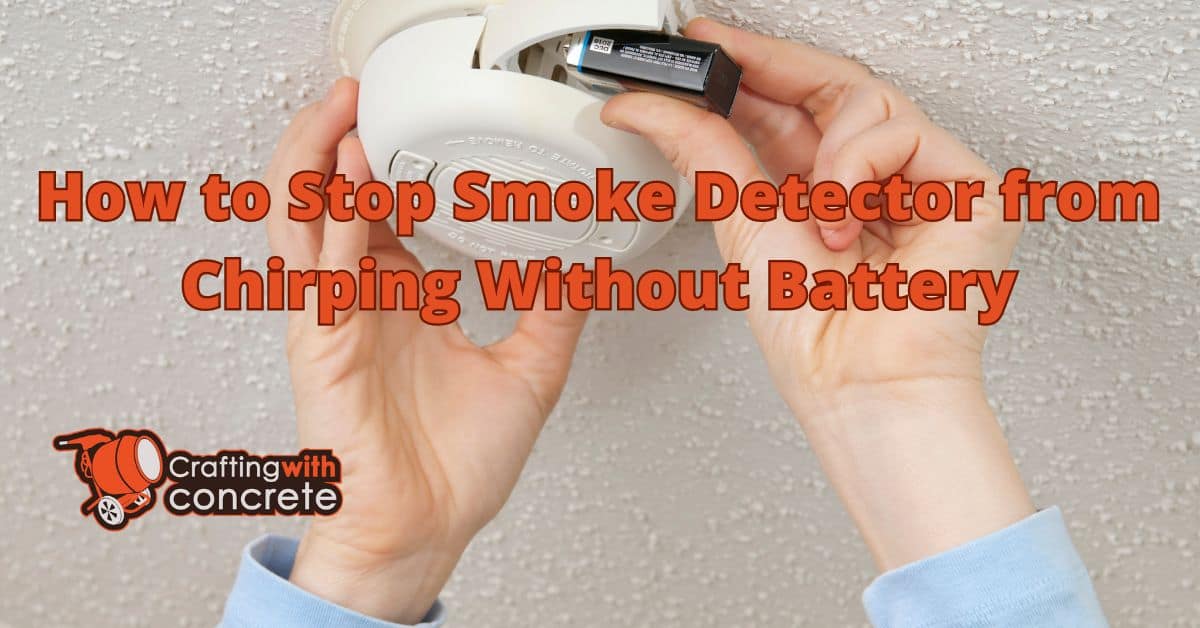
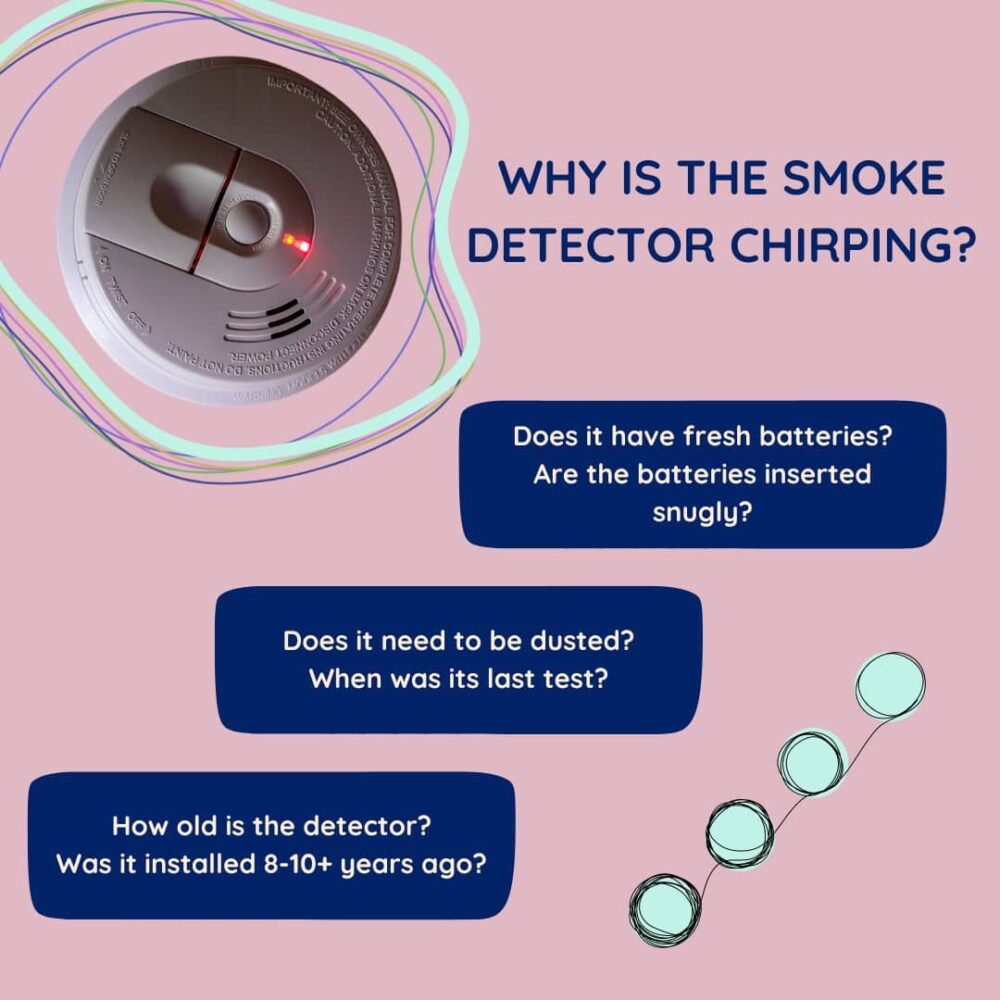
Let's start with the grandaddy of all chirps, the one that probably makes up about 90% of all smoke detector complaints: the low battery warning. It’s the smoke detector’s polite (or not-so-polite, depending on the hour) way of saying, "Hey, human, my internal energy supply is running critically low!"
Must Read
Think of it like your smartphone. When it hits 10% battery, it starts sending you those little notifications, right? Your smoke detector is doing pretty much the same thing, but instead of a gentle buzz, it’s a distinct chirp. Why a chirp and not silence? Because even with a low battery, it still has just enough juice to send out a critical warning signal. It doesn't have the power to run its full smoke-sensing capabilities reliably, but it can still tell you it’s unwell. It's like a car running on fumes – it can still sputter a warning light, even if it can't quite get you to your destination safely. So, next time you hear that familiar peep, remember: it's not trying to be obnoxious; it's literally calling for a power-up!
They Have an Expiration Date: End of Life
Surprise! Smoke detectors don't last forever. Yep, just like that carton of milk in your fridge, these vital safety devices have an expiration date. Most manufacturers, and safety experts, recommend replacing your smoke detectors every ten years. Why? Because the sensitive internal components, the ones actually responsible for detecting smoke, degrade over time.

Whether it's an ionization sensor (which detects invisible combustion particles) or a photoelectric sensor (which "sees" larger smoke particles), these technologies aren't immune to the passage of time. Over a decade, dust, humidity, and general wear and tear take their toll. When a detector reaches the end of its operational life, it might start chirping to let you know it's time for retirement. It's essentially saying, "My internal clock has expired. I’ve had a good run, but I can no longer guarantee peak performance. Time for a new model, please!" Check the back of your unit; there's usually a manufacturing date or a 'replace by' date printed right there.
Tiny Intruders: Dust and Bugs
Sometimes, the cause isn't about power or age, but about something much smaller and stealthier: dust bunnies or tiny insects. Smoke detectors are designed to be incredibly sensitive, which is fantastic for detecting smoke, but sometimes a little too good at detecting other things.
A build-up of dust inside the sensing chamber can mimic smoke particles, tripping the sensor into thinking there's a problem. Similarly, a tiny spider or other insect taking up residence in the wrong place can obstruct the sensor or interfere with its optical path. It’s like having a speck of dirt on a camera lens – it distorts the image. When these tiny intruders cause interference, the detector might not go into a full alarm, but it can certainly get confused and emit a warning chirp to indicate a potential issue or an internal obstruction. A quick blast of compressed air (following manufacturer guidelines, of course!) can often clear out these unwelcome guests and bring peace back to your home.

Environmental Sensitivities: Humidity and Temperature
Believe it or not, your smoke detector can also be a bit of a weather vane, reacting to significant changes in its immediate environment. Extreme humidity or rapid temperature fluctuations can sometimes cause a chirp.
High humidity, for example, can create condensation inside the unit, briefly interfering with the delicate electronics. Likewise, if a detector is installed near a window or vent where it experiences frequent drafts of very hot or very cold air, these rapid changes can sometimes cause the sensor to become temporarily unstable and trigger a chirp. It's a bit like a person who gets a headache when the barometric pressure changes – the smoke detector is just feeling a bit off due to the atmospheric conditions. While less common than a low battery, it’s worth considering if your chirping coincides with unusual weather or specific household activities like a steamy shower with the bathroom door open.
The Unexplained: Malfunction or Faulty Unit
And finally, sometimes, despite all the logical explanations, your smoke detector might just be having a moment. Like any electronic device, a smoke detector can sometimes suffer from a manufacturing defect or an internal electronic glitch. It might be brand new, batteries fresh, and sparkling clean, yet it still emits that maddening chirp.
In these rare cases, the unit itself is simply faulty. It’s like buying a gadget that just decides it’s had enough and throws a digital tantrum. If you’ve checked all the other common causes and your smoke detector continues to chirp erratically, it might be time to consider that the unit itself is defective and needs replacing. Remember, these devices are designed to protect you, so you want to ensure they are always in tip-top, reliable condition.
So, the next time that insistent chirp invades your peaceful sanctuary, you won't just groan in exasperation. You'll be armed with knowledge! You'll know it's not just a random act of electronic defiance, but usually a simple message: "Check my battery!" "I'm old, replace me!" "I've got a dust bunny!" or "I'm feeling sensitive today!" Understanding the why makes dealing with it a little less annoying and a lot more empowering. Happy chirping investigation!