What Can Cause A Fire Alarm To Go Off

Ah, that familiar, shrill symphony of an unexpected fire alarm. It’s the universal sound of a perfectly good morning, or a cozy evening, suddenly thrown into a chaotic whirlwind of beeps, flashing lights, and that all-too-familiar internal debate: “Is it real? Or is it just… toast?” We’ve all been there, standing in our pajamas, trying to decipher the cause of the ruckus. Far from being actual emergencies, most fire alarm incidents are simply false alarms, often triggered by surprisingly mundane things. So, let’s peel back the curtain on these temperamental gadgets and uncover what makes them sing their startling song.
The Usual Suspects: Kitchen Catastrophes (and Near Misses)
Let’s be honest, the kitchen is ground zero for false alarms. That beautiful, crispy piece of toast you were aiming for? Sometimes it crosses the line into burnt territory, sending a plume of smoke straight to your nearest detector. Searing a steak on high heat, frying up some bacon, or even just accidentally leaving a pan on the burner a little too long can produce enough smoke or oily particles to fool the sensor. It’s not always a full-blown fire, just a moment of culinary enthusiasm gone slightly awry.
Practical Tip: If your alarm is constantly triggered by cooking, consider relocating it slightly further from the stove, or ensuring you have a powerful kitchen vent hood. And yes, opening a window works wonders!
Must Read
Steamy Situations: When Your Shower Gets Too Hot
Imagine this: you’ve just enjoyed a gloriously long, hot shower, the bathroom filled with a tropical, steamy haze. You open the door, and suddenly – BEEP BEEP BEEP! Yep, excessive steam from a hot shower, especially if your bathroom fan isn't quite up to snuff or the alarm is close by, can trick photoelectric smoke detectors into thinking there's a fire. The same goes for humidifiers working overtime, or even boiling a large pot of water on the stove without proper ventilation. These detectors are designed to sense particles in the air, and steam, in its dense form, can fit the bill.
Fun Fact: Fire alarms are generally categorized as ionization (better at sensing fast-flaming fires) or photoelectric (better at sensing smoldering fires and prone to steam/dust). Knowing which type you have can help you understand its quirks!
Dust Bunnies, Cobwebs, and Creepy Crawlies
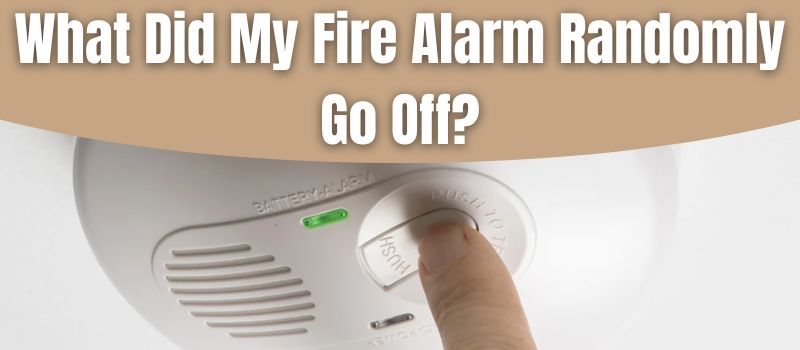
It sounds strange, but your fire alarm isn't just looking for smoke; it's looking for anything obscuring its internal sensor. A buildup of dust, dirt, or even tiny insects (we're looking at you, spiders!) inside the alarm's chamber can create an obstruction that mimics smoke particles. This can lead to intermittent, frustrating false alarms that seem to have no obvious cause. It's like a tiny, secret party going on inside your alarm, and it's throwing a tantrum.
Practical Tip: Give your smoke detectors a gentle clean once a month. A quick wipe-down with a cloth or a careful vacuum with a brush attachment can prevent these dusty dilemmas. Compressed air can also work wonders to clear out the sensor chamber.
Vapor Waves and Scented Surprises
In our modern world, not all airborne particles come from fire. Vaping and e-cigarettes, while producing vapor rather than smoke, can sometimes trigger highly sensitive smoke detectors due to the particulate matter they release. Similarly, burning too many scented candles, using incense, or even those trendy essential oil diffusers can produce fine aerosols that confuse your detector. It's a delicate balance between a lovely aroma and an unexpected alarm concert.
Cultural Reference: Think of it like a scene straight out of a sitcom where someone tries to sneak a quick vape, only to set off the alarm and reveal their secret!
Low Battery Blues and Power Peculiarities
Ah, the dreaded low battery chirp. It starts subtly, maybe once every few minutes, then becomes more insistent until you're climbing on a chair at 3 AM to silence it. This isn't a false alarm in the traditional sense, but it's certainly an alarm going off for a non-fire reason. For hardwired alarms, occasional power surges or temporary outages can also sometimes cause a brief, confusing trigger. It's the electrical system having a little moment.
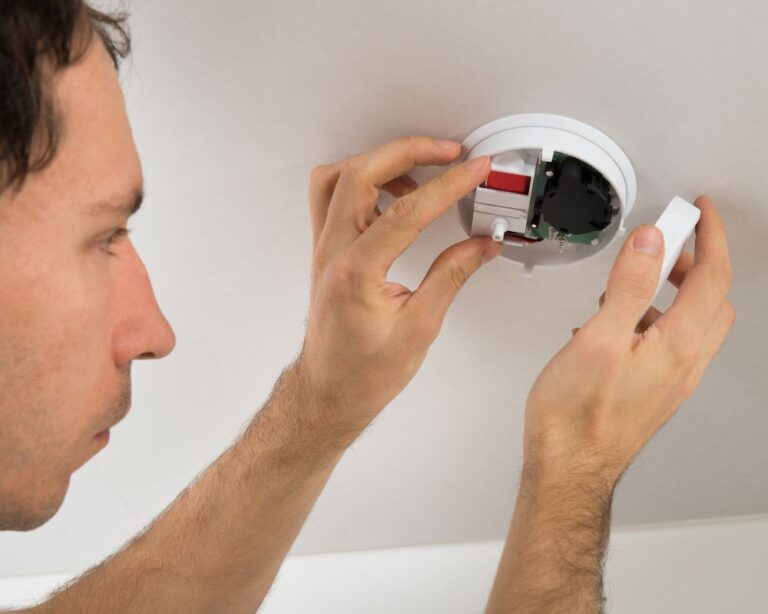
Practical Tip: Make it a habit to change your smoke detector batteries twice a year, perhaps when Daylight Saving Time begins and ends. It’s a simple ritual that saves a lot of midnight scrambling.
Chemical Conversations: When Cleaning Gets Loud
Ever deep-cleaned your bathroom with some particularly strong sprays and suddenly, the alarm goes off? Certain harsh cleaning products, aerosol sprays, paints, or solvents can release volatile organic compounds (VOCs) or fine particles that, to a very sensitive smoke detector, can resemble smoke. It’s not common, but if you’re using powerful chemicals in a poorly ventilated space, your alarm might just be giving you a very loud warning to open a window.
So, the next time your fire alarm decides to make an unscheduled announcement, take a breath. While it’s always important to ensure your safety and check for actual danger, remember that it’s often just one of these everyday culprits. These little guardians of our homes are incredibly sensitive, designed to err on the side of caution – and for that, we can be grateful. A momentary inconvenience for lasting peace of mind is a trade-off we can all live with.