
What Batteries Does A Fire Alarm Take

Ever been jolted awake by that dreaded, intermittent chirp? You know the one. It's not a bird. It's not your phone. It's your smoke detector, giving you the passive-aggressive boot-up call from the abyss of a dead battery. And in that groggy haze, a monumental question often pops up: "What battery does this thing even take?!"
It's a question that feels so simple, yet can send you on a surprising scavenger hunt through your junk drawer. Turns out, fire alarms aren't a one-battery-fits-all kind of deal. Nope. They're a whole party of power cells, each with its own vibe. Let's dive into the fascinating, utterly thrilling world of fire alarm batteries!
The Undisputed King: The 9-Volt
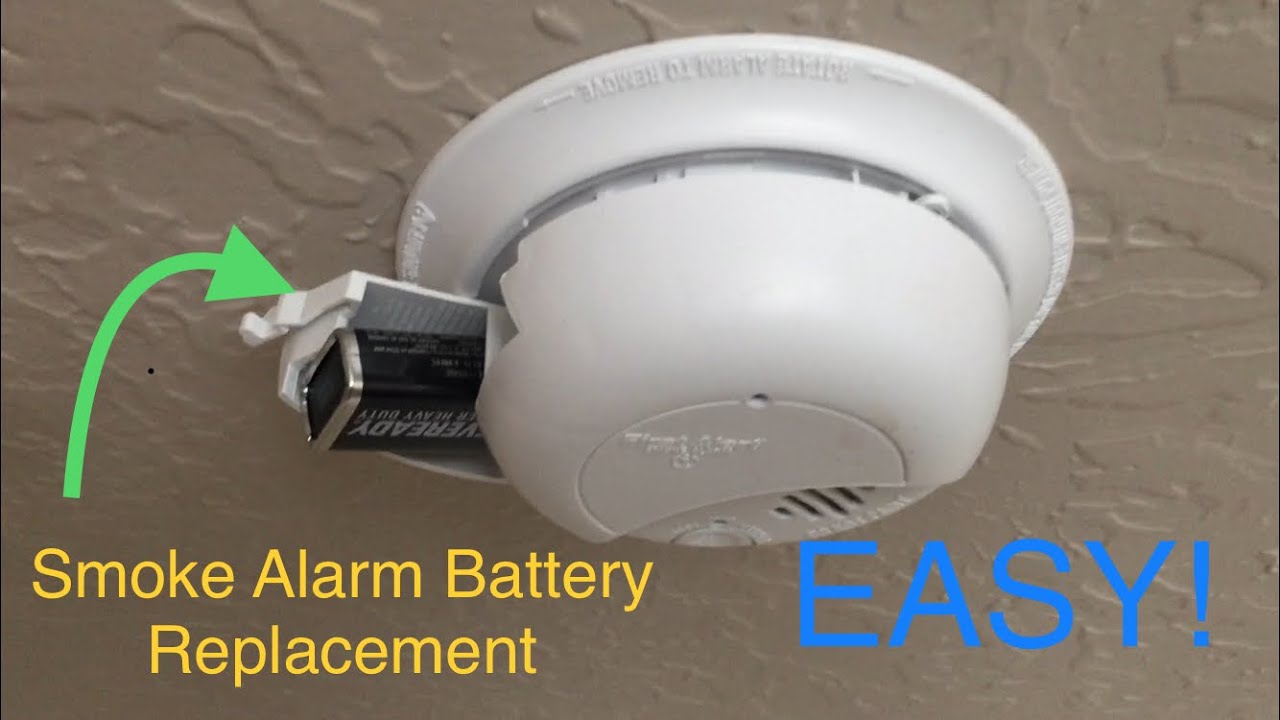
Okay, let's just get this out of the way. When you picture a fire alarm battery, what do you see? Almost certainly, it’s that chunky, rectangular little brick with the two terminals on top. Yep, we're talking about the 9-volt battery. This bad boy is the quintessential fire alarm power source, practically an icon.
Must Read
Why the 9-volt? Well, it’s a bit of a classic. It offers a decent punch of power in a relatively compact size. You can usually spot it a mile away, tucked neatly into its compartment. It's the battery equivalent of that trusty old pair of jeans – reliable, familiar, and always there when you need it (or, you know, when it starts chirping).
Changing one feels like a mini accomplishment, doesn’t it? A quick snap, a little push, and voilà! Silence, at least until next year. Fun fact: the 9-volt actually contains six tiny 1.5-volt cells packed inside its rectangular shell. It's like a battery matryoshka doll!
The Unexpected Guests: AA and AAA
Hold up! Did you just open your fire alarm and find... AA batteries? Don't panic! You're not alone. Some newer, or perhaps slightly more compact, smoke detectors have decided to go with the everyday workhorse of the battery world. It’s less common than the 9-volt, but definitely a thing.
Sometimes you’ll even stumble upon AAA batteries in smaller, more specialized units, or perhaps in carbon monoxide detectors. It's a bit like finding a tiny sports car in a garage full of SUVs. A surprising, but not unwelcome, twist!
Why the switch? Often, it comes down to design. Smaller units might benefit from the slimmer profile of AAs or AAAs. Plus, some manufacturers might opt for them due to cost or widespread availability. It’s like they're trying to be convenient, which, let's be honest, is a rare treat when it comes to home maintenance.
The Heavy Hitters: C and D Cells
Now, if you’ve got an older, perhaps more robust, fire alarm – or one that’s part of a larger commercial system – you might just encounter the big guns: C or D cell batteries. These are the sumo wrestlers of the battery world. They're fat. They're powerful. And they look like they mean business.

Imagine finding a couple of D cells in your smoke detector. You'd probably think, "Wow, this thing must have some serious oomph!" And you’d be right. These batteries offer longer lifespans, meaning fewer chirps and less ladder-climbing for you. They’re like the marathon runners of the battery family.
They’re less common in typical residential alarms today, but they definitely had their moment in the sun. If you find one, give it a respectful nod. It’s a piece of battery history!
The "Set It and Forget It" Superstars: Sealed Batteries
Alright, prepare for a plot twist! Some modern smoke alarms don't take any replaceable batteries at all. Mind blown, right? These beauties come with sealed, non-removable lithium batteries that are designed to last for the entire lifespan of the alarm itself – usually 10 years!
This is the ultimate convenience. No more chirping. No more emergency runs to the hardware store at 3 AM. When the 10 years are up, you just replace the whole unit. It’s like having a self-destructing, incredibly helpful, fire safety robot. Pretty cool, huh?

These alarms are becoming increasingly popular, and for good reason. They take the guesswork and the procrastination right out of the equation. Just remember to mark your calendar for the 10-year replacement date!
The Unsung Hero: Why Batteries Matter (and the Chirp is a Friend!)
So, why all this fuss about batteries? Because they’re the heartbeat of your fire alarm! Without them, that critical device – the one designed to literally save your life – is just a plastic disc on your ceiling.
That annoying chirp? It's not trying to drive you mad. It's actually a tiny, valiant hero, shouting its last warnings to get your attention. It's the alarm's way of saying, "Hey! My power is fading! I can't protect you if I'm dead! Help a detector out!"
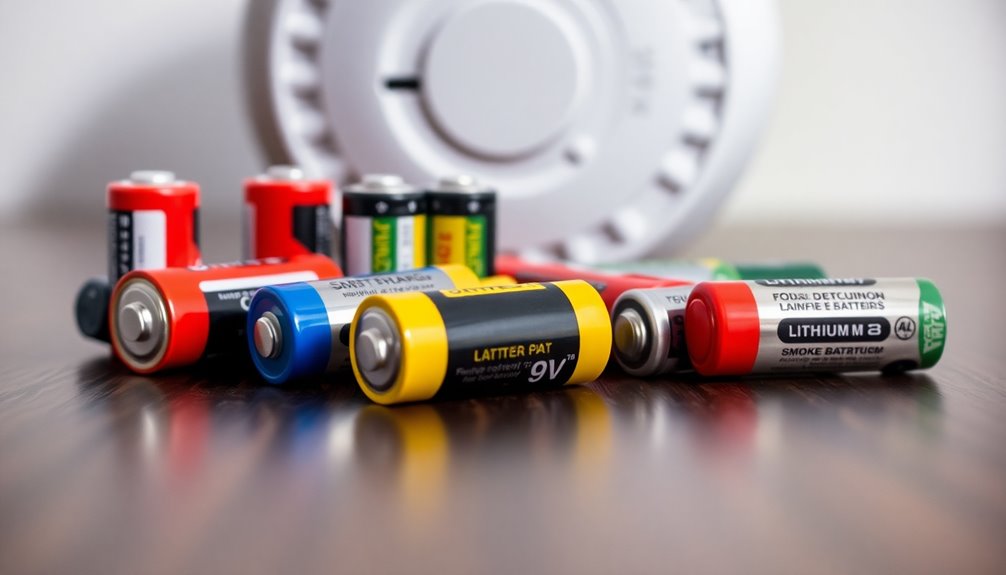
And here's a quirky fact: Did you know batteries actually have an expiration date? Yep, even the ones sitting unused in their packaging. So, don't just grab any old battery from the back of the drawer. Check the date! Fresh batteries mean stronger chirps, and more importantly, a fully functioning alarm when you actually need it.
Oh, and one more thing: while rechargeable batteries are awesome for your remote control, they're generally not recommended for fire alarms. They tend to lose charge more quickly and can provide inconsistent power. Stick to good old alkaline or lithium disposables for maximum reliability. Your life isn't worth gambling on a slightly cheaper recharge cycle.
The Takeaway: Stay Curious, Stay Safe!
Who knew batteries could be so... exciting? Next time you hear that familiar chirp, instead of groaning, take a moment to appreciate the unsung heroes powering your safety. You might discover a classic 9-volt, a surprising AA, or even a mighty D cell!
The main takeaway? Know your alarm, know its battery, and test it regularly! A small, five-second press of a button once a month could make all the difference. And when it chirps, treat it like a friendly reminder, not an enemy. Because, honestly, what's more fun than a quick battery swap and the satisfying silence that follows? Absolutely nothing!