What Are Those Orange Balls On Power Lines
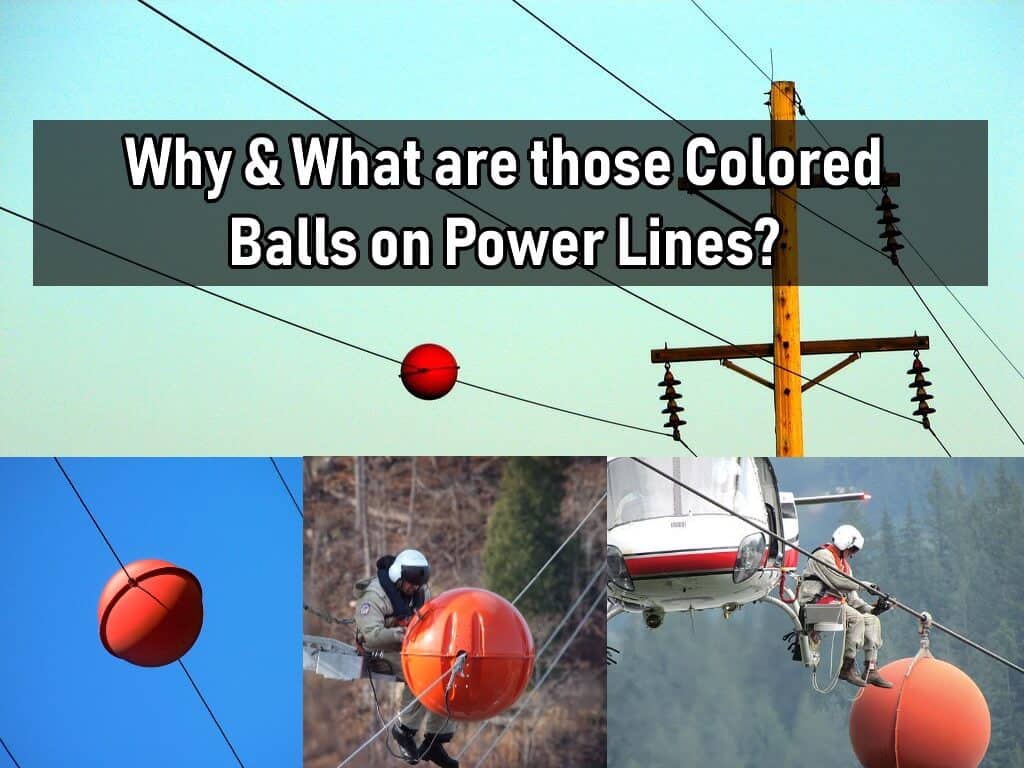
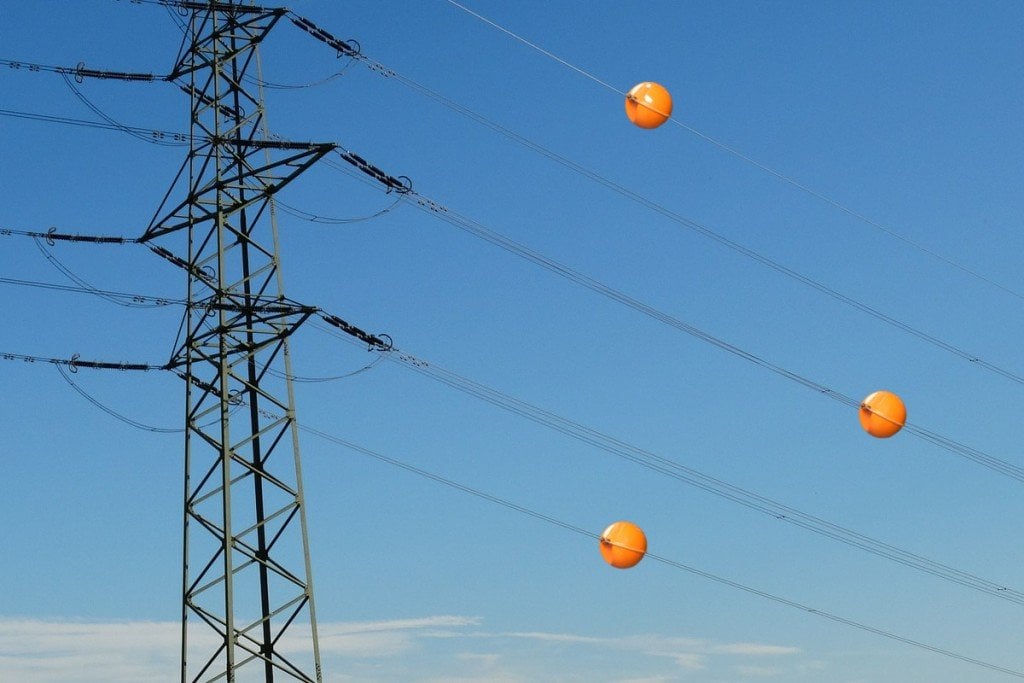
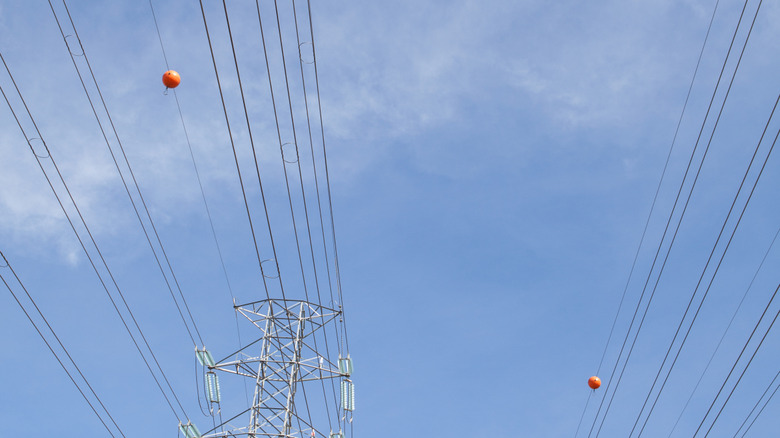
Have you ever been driving down the highway, or maybe even just gazing out your window, and noticed those brightly colored, often orange (but sometimes red or white) balls strung along power lines? They look a bit like giant beads on a necklace, usually spaced out evenly. For many of us, they're just another piece of the landscape we barely register, but they spark a quiet curiosity: What are those things for? It's a fun little mystery of our modern world, and understanding their purpose actually reveals a crucial layer of safety we often overlook.
These intriguing spheres are officially known as aerial marker balls or visibility markers, and their job is surprisingly vital. Imagine a pilot, perhaps flying a small plane, a helicopter, or even a crop duster, needing to navigate through a landscape crisscrossed with power lines. These high-tension wires, especially against certain backgrounds or in tricky lighting conditions like dawn or dusk, can be incredibly difficult to spot from the air. They blend into the sky, creating an almost invisible hazard. That's where our orange friends come in! Their bright, contrasting color makes the lines much more visible to aircraft, giving pilots a clear warning and helping them maintain a safe altitude. This simple yet ingenious design helps to prevent collisions, protecting not just the aircraft and its occupants, but also the critical power infrastructure that keeps our lights on.
The benefits extend far beyond just avoiding accidents. Think about emergency services: medical helicopters often need to fly at low altitudes, sometimes landing in unfamiliar areas. These markers are absolutely essential for their safety. They're typically installed in areas where aircraft activity is expected, such as near airports, heliports, over valleys, or across wide-open spaces where power lines might be less obvious. Made from lightweight, weather-resistant materials like fiberglass or plastic, they add minimal stress to the power lines while providing maximum visibility. It's a prime example of passive safety engineering – a solution that works constantly in the background without requiring any active input, just pure, brilliant design.
Must Read
These markers can even offer a quiet lesson in our daily lives and educational settings. For students, they're a tangible example of how physics (visibility, contrast) and engineering (material science, structural design) combine to solve real-world problems. They spark conversations about aviation safety, infrastructure, and the often-hidden efforts that go into making our world safer. For drone enthusiasts, understanding these markers is crucial for safe flight operations, reminding them to be aware of all obstacles, visible or not. It’s a subtle reminder that our environment is full of clever solutions designed to protect us, even in ways we rarely notice.
So, how can you explore this newfound knowledge? Next time you're out and about, pay attention to those orange balls! Notice where they're located – are you near an airport? Crossing a river? See if you can spot different colors or sizes. A quick search online for "power line markers" can show you various designs and even videos of how they're installed. It’s a fascinating peek into the world of utility safety and aviation. Share this cool tidbit with friends or family – it’s a great conversation starter and helps everyone appreciate the thoughtful engineering behind even the most unassuming parts of our landscape. These humble orange balls are silently doing a huge job, making our skies a little safer for everyone.