What Are The Leading Causes Of House Fires
Ever wonder what lurks in the shadows of our cozy homes, posing the biggest fire risks? While it might sound like a serious topic, diving into the leading causes of house fires can actually be quite empowering and even a little fun, in a "knowledge is power" kind of way! Think of it as uncovering the secrets to becoming a home safety superhero. Understanding these common culprits isn't about scaring you; it's about equipping you with the know-how to protect your cherished space, your loved ones, and all the memories made within your walls. The ultimate benefit? Peace of mind, knowing you've taken proactive steps to keep your sanctuary safe and sound.
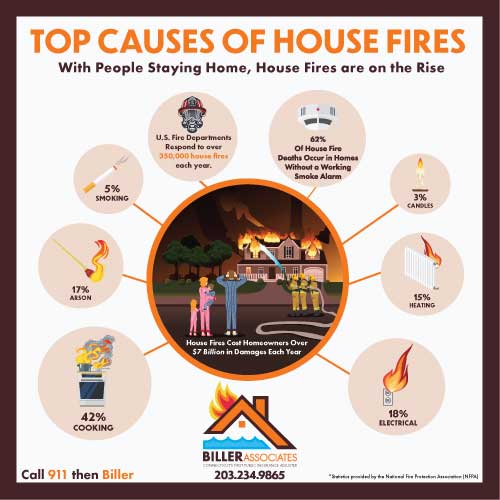
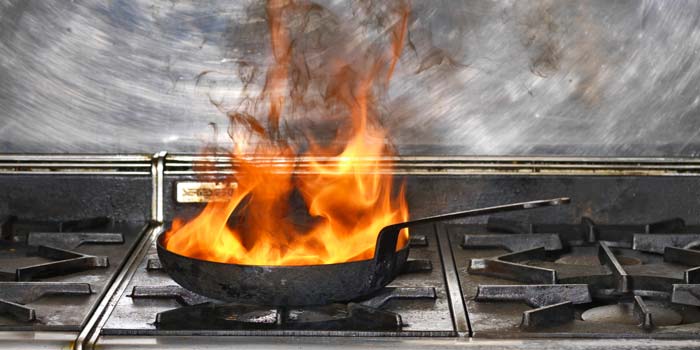
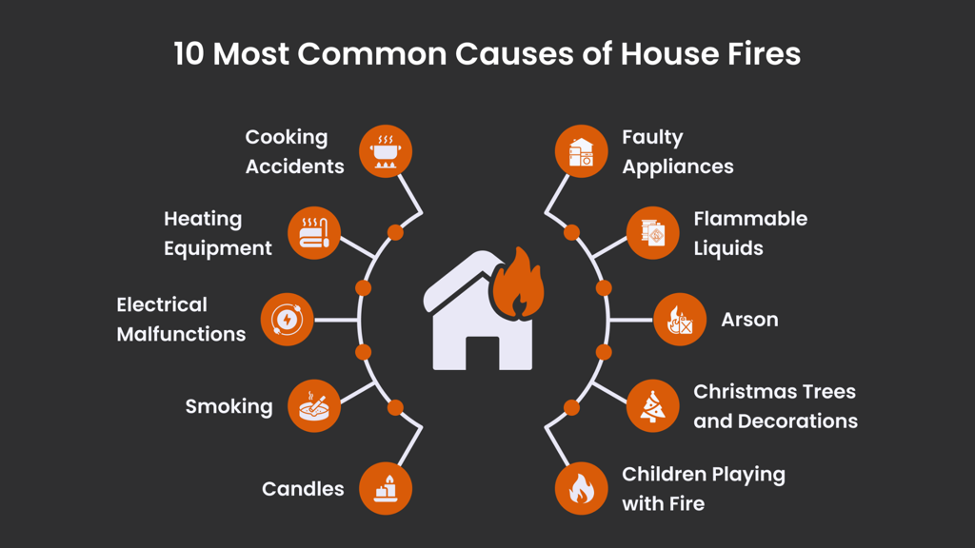
So, let's pull back the curtain on the top instigators of domestic blazes. The number one offender, claiming the top spot in house fire statistics year after year, is none other than cooking equipment. Our kitchens, the heart of our homes, can quickly become a danger zone if we're not careful. unattended cooking, oil spills, and combustible materials too close to burners are frequent culprits. A sizzling pan left alone for "just a minute" can escalate into a serious problem in seconds. Always stay in the kitchen when cooking, especially when frying, grilling, or broiling. Keep flammables like dish towels and oven mitts away from hot surfaces.
Next on the list, particularly as temperatures drop, is heating equipment. Furnaces, space heaters, and fireplaces work hard to keep us warm, but they demand respect. Malfunctioning furnaces, improperly installed wood stoves, and space heaters placed too close to curtains, bedding, or furniture are major hazards. Always ensure your heating systems are professionally inspected annually. When using space heaters, remember the "three-foot rule": keep them at least three feet away from anything that can burn. Never leave a space heater running unattended.
Must Read
Coming in hot (pun intended) are electrical malfunctions and wiring issues. Our homes are brimming with gadgets, and overloaded outlets, frayed cords, and outdated wiring can be silent threats. That warm hum from an outlet or a flickering light might be more than just a quirky old house feature—it could be a sign of trouble. Regularly check cords for damage, avoid overloading outlets, and ensure any electrical work is done by a qualified professional. Unplug appliances when not in use, especially those that generate heat like toasters and curling irons.

Finally, let's not forget about smoking materials and candles/open flames. Although less common than cooking or heating fires, these still account for a significant number of preventable incidents. Falling asleep with a lit cigarette or leaving a candle unattended can have devastating consequences. If you smoke, always use sturdy, non-combustible ashtrays and ensure all embers are extinguished. With candles, never leave them burning in an empty room, keep them away from anything flammable, and extinguish them before leaving the house or going to bed. Better yet, consider flameless LED candles for ambiance without the risk.
Armed with this knowledge, you're now better prepared to spot potential risks and take action. Remember, prevention is key. Simple awareness and a few careful habits can make all the difference in keeping your home the safe, comfortable haven it's meant to be. Stay vigilant, stay safe, and enjoy the true comfort of a fire-smart home!