
What Are The Different Types Of Solar Panels

Ever looked up at a rooftop covered in those shiny, dark rectangles and thought, "Wow, free energy from the sun! How cool is that?" It’s pretty awesome, right? But here’s a little secret: not all solar panels are created equal. Just like there are different types of cars or even coffees, there are a few distinct kinds of solar panels, each with its own vibe and superpowers. Want to peek behind the curtain and see what makes them tick? Let’s dive in!
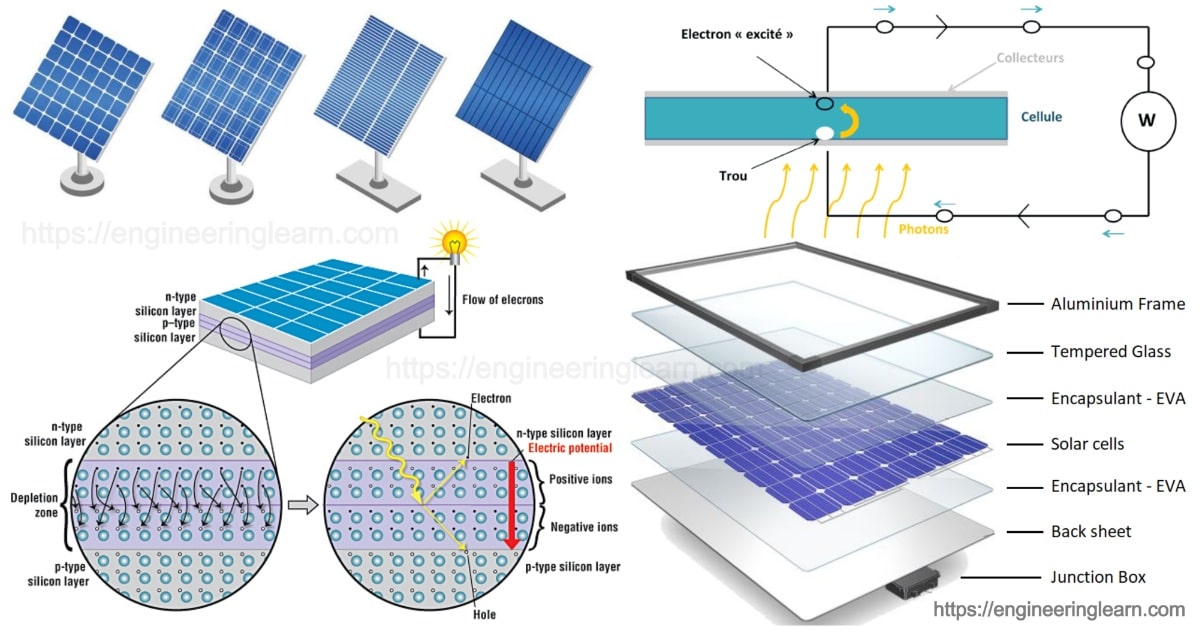
Think of solar panels as little sun-catchers, converting sunlight into electricity. This magic happens thanks to something called the photovoltaic effect (PV for short). While the basic idea is the same, the way these panels are built and the materials they use can make a big difference in how much power they generate, how they look, and even how much they cost. It’s like choosing between a sleek sports car, a dependable family sedan, or a super-flexible utility vehicle – each has its moment to shine!
The Rolls-Royce of Solar: Monocrystalline Panels
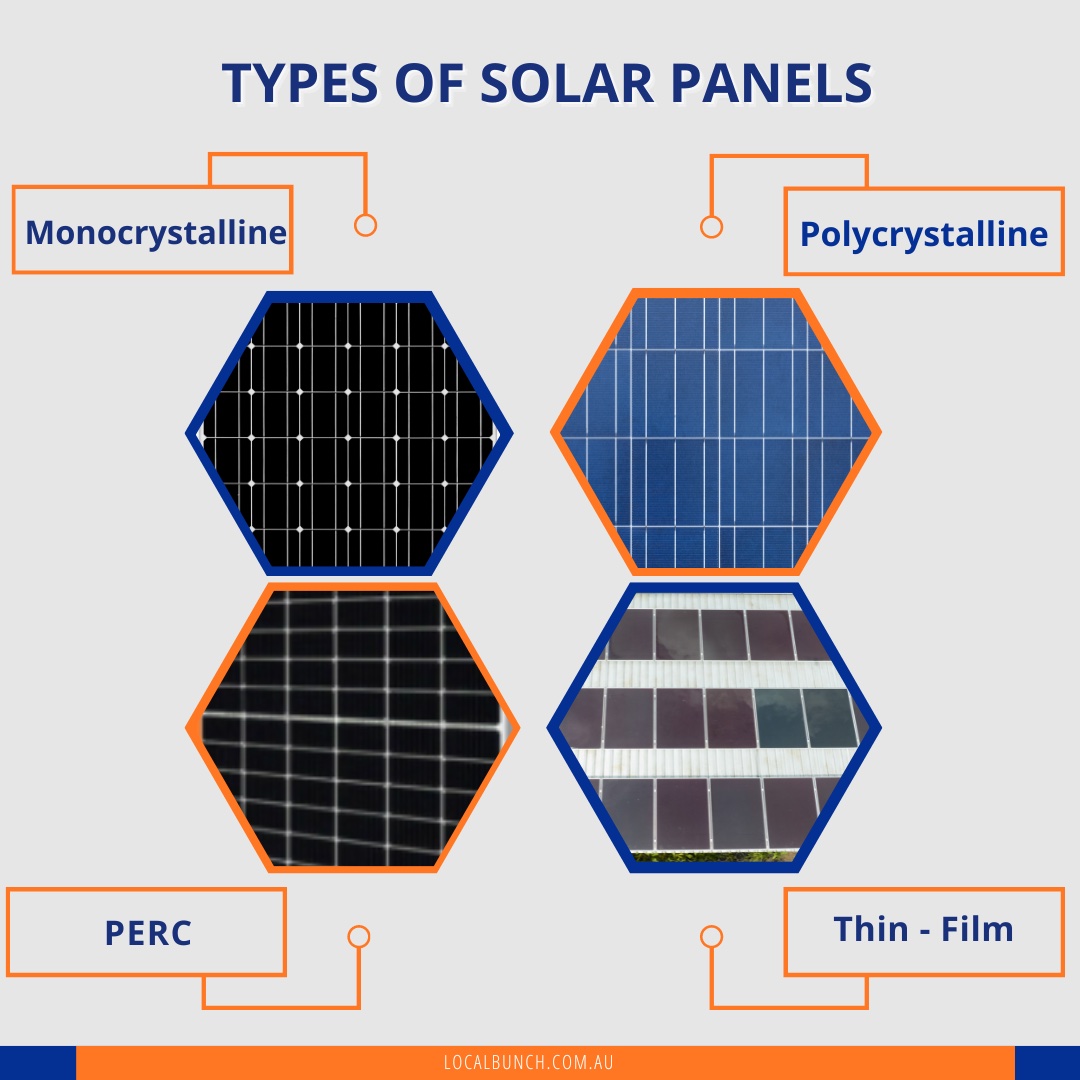
First up, meet the undisputed champion of efficiency and elegance: monocrystalline solar panels. These are the ones you typically see on modern homes, looking super sleek and uniform. They’re made from a single crystal of silicon, grown in a highly controlled environment before being sliced into thin wafers. Sounds fancy, right? It is!
Must Read
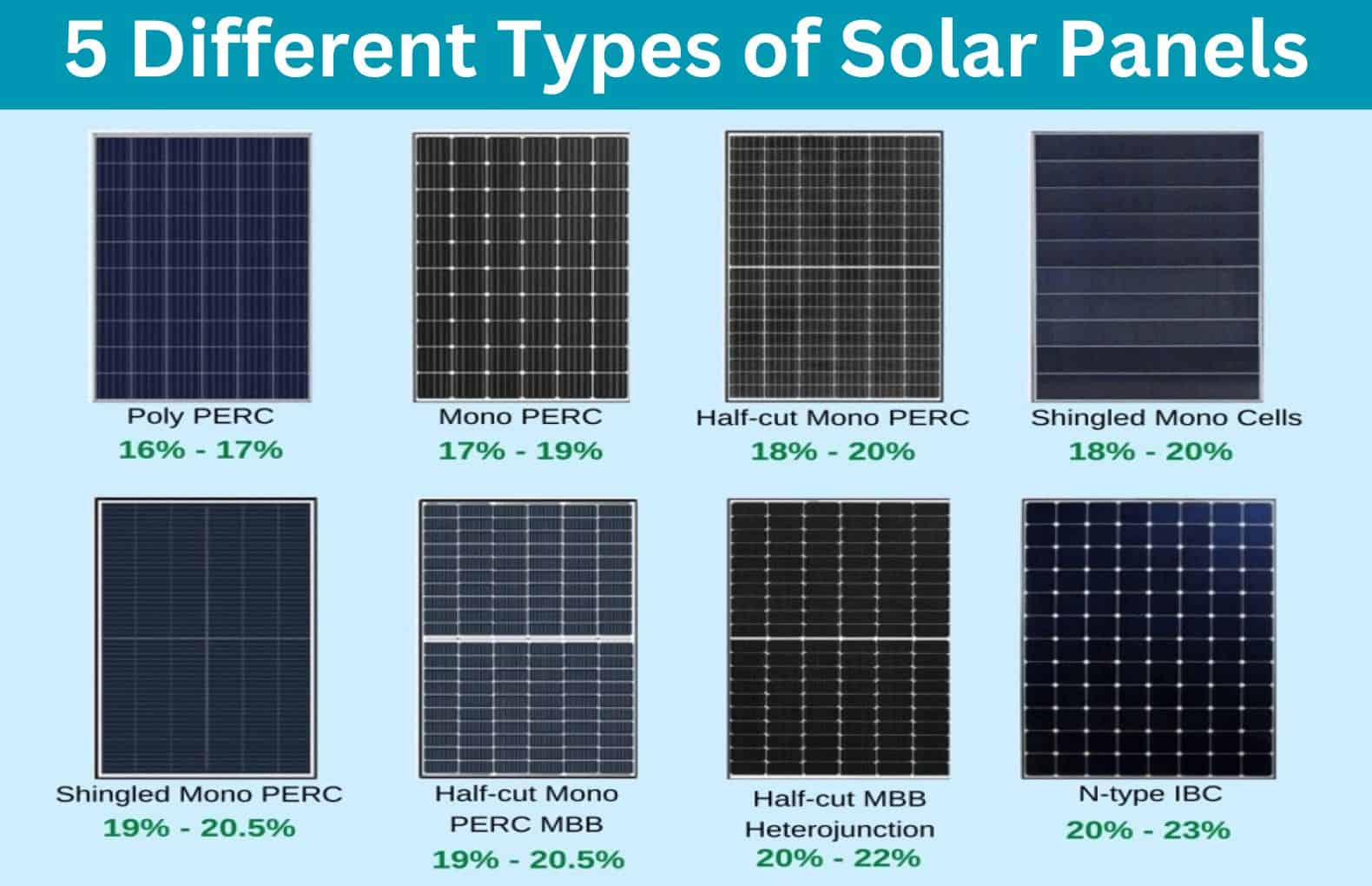
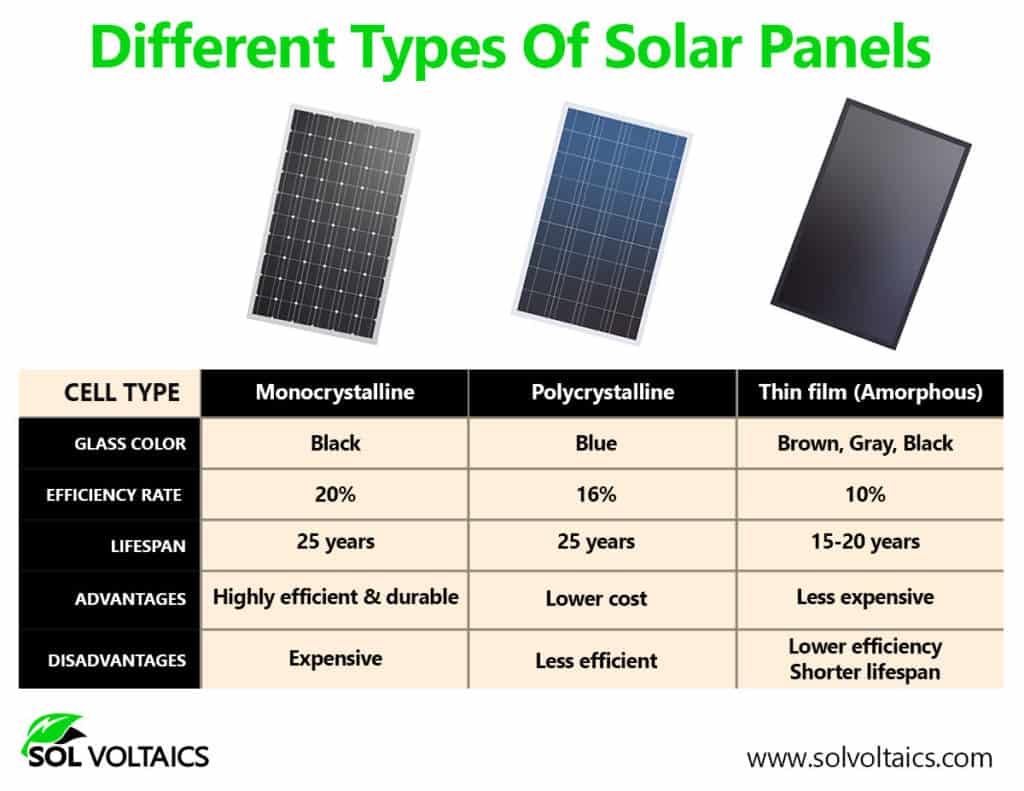
Because they’re made from a single, pure crystal, monocrystalline panels are incredibly efficient at turning sunlight into electricity. We’re talking about efficiencies often ranging from 18% to over 22%. This means they can generate more power from a smaller footprint, which is a huge plus if you have limited roof space. Think of them as the super-athletes of the solar world – strong, fast, and incredibly focused. They typically have a deep black appearance, giving them that sleek, uniform look that many homeowners love.
The downside? Well, perfection comes at a price. The manufacturing process for these panels is quite intricate, making them generally the most expensive option upfront. They also tend to be a bit more sensitive to shading and extreme temperatures compared to some other types. But for those who prioritize maximum power output and a minimalist aesthetic, monocrystalline panels are often the top choice.
The Dependable Workhorse: Polycrystalline Panels
Next, let’s chat about polycrystalline solar panels. These are like the friendly, reliable cousins to monocrystalline panels. Instead of one single crystal, these panels are made from multiple silicon crystals melted together and poured into a mold before being sliced. You can often spot them by their distinctive slightly speckled or fragmented appearance, and usually a blueish hue.
Polycrystalline panels are a fantastic choice for many. While their efficiency isn't quite as high as their monocrystalline counterparts (typically ranging from 15% to 17%), they’re still incredibly effective at harnessing the sun’s power. Their manufacturing process is simpler and less energy-intensive, which translates directly into a lower cost for you. This makes them a really popular option for larger installations where budget is key, or for those who want to go solar without breaking the bank.
Think of polycrystalline panels as the practical, sturdy SUVs of the solar world. They might not be as sleek, but they get the job done reliably and affordably. They’re also a bit more tolerant of heat, which can be a plus in hotter climates. If you’re looking for a great balance between performance and affordability, these blue-hued workhorses are often the way to go.
The Flexible Innovator: Thin-Film Solar Panels
Now for something completely different! Enter thin-film solar panels. These panels are the rebels of the solar world, throwing out the rulebook of rigid silicon crystals. Instead of chunky silicon wafers, thin-film panels are made by depositing ultra-thin layers of photovoltaic material onto a substrate like glass, plastic, or even metal. The materials can vary, including amorphous silicon, cadmium telluride (CdTe), or copper indium gallium selenide (CIGS).
What makes thin-film so cool? Flexibility! Literally. Some thin-film panels can be bent, rolled, or shaped, opening up a whole new world of possibilities. Imagine solar cells integrated into windows, flexible charging mats, or even built right into a building’s facade. They are also incredibly lightweight and perform really well in low-light conditions or even when partially shaded – a neat trick their silicon cousins struggle with.
However, there’s a trade-off. Thin-film panels are generally the least efficient type of solar panel, typically hovering between 10% and 13%. This means you’ll need a lot more surface area to generate the same amount of electricity compared to monocrystalline or polycrystalline panels. So, while they’re amazing for niche applications and when flexibility or aesthetics are paramount, they might not be the go-to for a standard rooftop if space is limited. They’re like the clever, versatile multi-tool of the solar world – not always the strongest, but incredibly adaptable.
Beyond the Big Three: What Else is Out There?
The world of solar is always evolving, and there are some other fascinating types popping up!
Perovskite solar cells are the exciting new kid on the block, boasting high efficiencies and low manufacturing costs, with incredible potential for the future. Then there are bifacial solar panels, which can absorb sunlight from both sides – capturing direct light and reflected light. How clever is that? And for the ultimate in stealth solar, we have solar shingles, designed to look exactly like regular roof shingles, integrating seamlessly into your home's aesthetic.
So, Which One is Best for You?
The "best" solar panel really depends on your specific needs, budget, and roof space. Are you chasing peak efficiency and a sleek look for a compact area? Monocrystalline might be your winner. Looking for a cost-effective, dependable solution for a larger space? Polycrystalline could be your perfect match. Or perhaps you need something flexible, lightweight, and great in tricky light conditions? Thin-film could surprise you!
Isn't it amazing how much variety there is in something that seems so simple on the surface? The next time you spot a solar panel, you’ll know there’s a whole lot of interesting science and engineering behind those sunny rectangles. It’s a fascinating world out there, harnessing the most powerful energy source we have – our very own sun!