
What Are The Chances Of Lightning Striking Your House
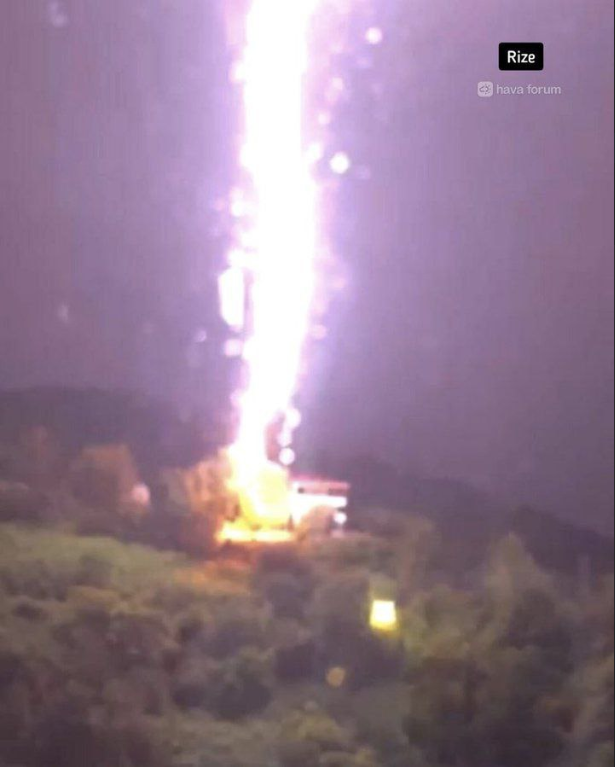
Ever sat cozy inside during a thunderstorm, heard a mighty crack and flash, and felt that little shiver? You know the one – that fleeting thought, "Uh oh, what if that was my house?" It’s a classic storm-watching moment, right up there with debating whether that last rumble was thunder or just a very grumpy neighbor moving furniture.
We all have that tiny fear tucked away, especially when the sky puts on a really dramatic show. But let’s pull back the curtain on this electrifying mystery and talk about the real chances of lightning deciding to pay your roof a direct, unscheduled, and rather expensive visit. Spoiler alert: it’s probably not as high as your imagination sometimes tells you!
So, What Are The Odds, Really?
Okay, let’s be frank. Lightning is a force of nature, incredibly powerful and undeniably awe-inspiring. It can feel like it’s searching for you specifically. But when it comes to your actual home, the odds of a direct strike are, well, pretty slim. We’re talking about numbers that make winning the lottery look like a daily occurrence. You’re more likely to be struck by lightning yourself (which is still incredibly rare!) than for your house to get zapped.
Must Read
Think about it like this: imagine trying to hit a specific ant with a tiny drop of water from an airplane. That’s a bit how random lightning strikes work. The atmosphere is huge, and your house, while lovely, is a tiny target in the grand scheme of things. Most estimates put the chance of a typical residential home being struck by lightning in any given year at something like 1 in 200,000 to 1 in 1 million. To put that in perspective, you’re far more likely to get a royal flush in poker on your first hand. Seriously!
Of course, this isn't a "never gonna happen" guarantee. Lightning, like that one friend who always shows up unannounced, can be unpredictable. But generally speaking, it's not a daily worry you should lose sleep over.

What Makes a House a "Target"?
While the overall odds are low, some things can nudge your house a tiny bit higher on lightning's "to-zap" list. It’s less about having bad luck and more about being in a certain kind of spot:
- Location, Location, Location: Are you living on a wide-open plain with your house as the tallest thing for miles around? Or are you nestled in a dense city surrounded by skyscrapers and giant trees? Lightning tends to seek the path of least resistance to the ground, and that often means the tallest object. If your house is the Mount Everest of your neighborhood, it might be a slightly more attractive target than a bungalow hiding behind a forest of oaks.
- Tree Huggers Beware: Having tall trees near your house is generally a good thing, offering shade and beauty. But if those trees are significantly taller than your house and close enough, they might actually take the hit instead of your roof! That's a mixed blessing, as a struck tree can still cause damage if it falls or sends a ground current into your home's foundation.
- "Flashy" Areas: If you live in a region known for its intense thunderstorms (looking at you, Florida!), your local risk might be a bit higher just due to the sheer volume of lightning activity. Some places are simply lightning superhighways.
- Building Materials: Houses aren't giant metal magnets, but some components (like metal roofs, TV antennas, or solar panels) can make a house a more appealing pathway for lightning if it does decide to strike nearby.
Why Should We Care (Even if the Chances Are Low)?
So, if a direct strike is rare, why are we even talking about it? Well, my friend, because lightning is a bit of a trickster. A direct hit is one thing, but the real everyday concern comes from its sneaky side effects.

Imagine this: a lightning bolt strikes a power pole down the street. Your house isn't directly hit, but that massive surge of electricity travels through the power lines and into your home. It’s like trying to drink from a firehose – your delicate electronics just can't handle it. This is where you might lose your beloved TV, your fancy new gaming console, or even your trusty refrigerator. Suddenly, a rare natural phenomenon becomes a very real and very annoying problem.
That's why we care! It’s not just about guarding against the catastrophic direct strike, but about protecting your gadgets and appliances from those invisible, indirect zaps that can fry your circuits faster than you can say "power surge." Losing your internet in the middle of a crucial online meeting? Your gaming progress wiped out? Your entire week's groceries spoiling? These are the relatable, often expensive, headaches that lightning can cause even when it doesn't land a direct hit on your roof.

Simple Steps to Keep Your Home Smiling
Don't fret! Protecting your home from lightning's mischief is surprisingly easy:
1. Surge Protectors Are Your Best Friends: These aren't just fancy power strips; they're like bodyguards for your electronics. Plug your expensive electronics (TVs, computers, gaming systems) into good quality surge protectors. They act as a buffer, sacrificing themselves to absorb excess voltage before it reaches your gadgets. It’s a small investment for a lot of peace of mind.

2. Unplug When Thunder Roars: It sounds old-fashioned, but if a big storm is rolling in, unplugging sensitive electronics is the absolute best defense. No connection, no surge! Your grandma probably did this, and she was onto something.
3. Consider a Whole-House Surge Protector: If you're really serious (and live in a lightning-prone area), you can have an electrician install a whole-house surge protector at your main electrical panel. This protects all your home's circuits, not just the ones plugged into individual strips.
So, next time a storm rolls in, feel free to enjoy the dramatic light show. The chances of your house being directly struck are wonderfully slim. But a little bit of common sense and a few surge protectors can go a long way in keeping your precious electronics safe from lightning's less dramatic, but equally frustrating, collateral damage. Stay safe and keep those gadgets humming!