
What Are The Best Batteries For Solar Power
Okay, let me set the scene for you. Picture this: It’s a scorching summer day, you’ve just settled in with a tall glass of iced tea, and you’re halfway through binge-watching that new show everyone’s talking about. Suddenly… BAM! The lights flicker, the screen goes black, and the ominous silence of a power outage descends. Your neighbor’s generator roars to life like a victorious dragon, and you’re left wondering if your ice cream is already melting.
You know that feeling, right? That little pang of wishing you were prepared, wishing you had a backup plan. Well, my friend, for us solar-curious folks, that backup plan often comes in the form of a really good battery. Because let's be real, solar panels are awesome, but without storage, they're like a superstar musician without a recording studio – they generate a ton of hits during the day, but then nothing for the encore when the sun goes down or the grid decides to take a nap.
So, you’re probably wondering, "What are the best batteries for solar power?" Good question! It’s not as simple as picking the shiny one, but let’s dive in.
Must Read
The OG (But Maybe Not the GOAT): Lead-Acid Batteries
Remember those big, clunky batteries in old golf carts or boats? Yep, that’s lead-acid. For a long time, these were pretty much the only game in town for solar storage, especially off-grid systems. They’re relatively cheap upfront, which is a big plus if you're on a tight budget. You'll mostly find two types: Flooded Lead-Acid (FLA) and Sealed Lead-Acid (SLA), which includes AGM and Gel.
But here’s the rub, and why they’re not usually the "best" anymore: they're a bit high-maintenance. FLA batteries need regular watering (distilled, please!), they need good ventilation, and their lifespan isn’t great if you regularly discharge them past about 50%. We call that Depth of Discharge (DoD), and for lead-acid, a low DoD means a short life. Plus, they're heavy, less efficient, and generally have a much shorter lifespan than their modern counterparts. Think of them as that reliable old truck – it gets the job done, but it drinks a lot of gas and needs constant tinkering.

The Modern Marvels: Lithium-Ion Batteries
Okay, now we’re talking. If you've got a smartphone, a laptop, or an electric car, you're already very familiar with lithium-ion technology. These batteries have revolutionized portable power, and they're doing the same for solar storage. When we talk about "the best" for solar, we're usually talking about lithium-ion, specifically a type called Lithium Iron Phosphate (LiFePO4 or LFP).
Why LFP? Oh, let me count the ways!
- High Depth of Discharge: You can typically discharge an LFP battery to 90-100% without significantly harming its lifespan. That means more usable energy for your home!
- Longer Lifespan: We’re talking thousands of cycles (charges and discharges). Where lead-acid might give you 500-1,000 cycles, LFP can easily hit 6,000-10,000. That translates to 10-20 years or more of reliable power.
- Better Efficiency: Less energy is lost during charging and discharging, so more of your precious solar power actually gets stored and used.
- Safer: LFP chemistry is inherently more stable and less prone to thermal runaway (the fiery kind of bad news) compared to other lithium chemistries like NMC (often found in electric cars).
- Virtually Maintenance-Free: Set it and forget it! No watering, no special ventilation, just clean, consistent power.
- Compact & Lighter: While still hefty, they’re far more energy-dense than lead-acid, meaning more power in a smaller, sleeker package.
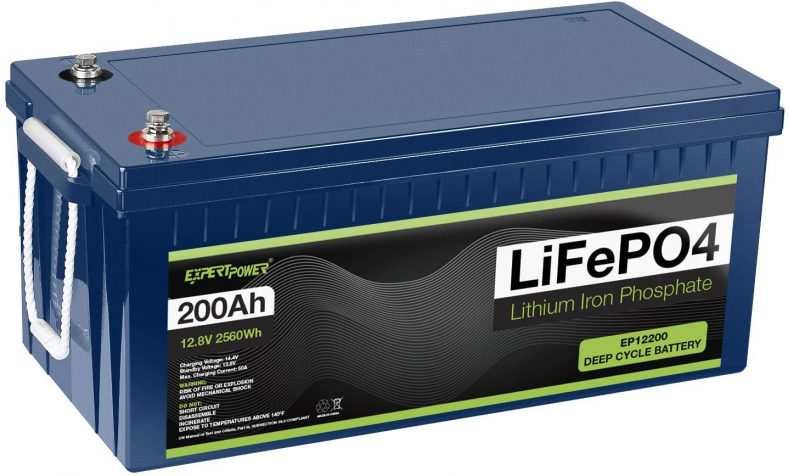
Sure, the upfront cost of LFP batteries is higher than lead-acid. There’s no sugarcoating that. But when you factor in their incredibly long lifespan, superior performance, and zero maintenance, they often come out cheaper in the long run. It's an investment, but one that pays dividends in peace of mind and energy independence.
Beyond LFP: What Else Is Out There?
While LFP dominates the "best" category for residential solar right now, other technologies are bubbling up. Flow batteries are interesting for very large-scale, long-duration storage, but they're not quite ready for prime-time residential use. And various other lithium chemistries exist, but LFP is currently the gold standard for home safety and cost-effectiveness.
So, Which One's for You?
Ultimately, the "best" battery depends on your specific needs, budget, and goals.
- If you need a very low-cost, temporary solution for a small cabin or a very specific off-grid setup and don't mind the upkeep, lead-acid might still sneak into your consideration.
- But if you're looking for a reliable, long-term, virtually maintenance-free investment that will give you maximum usable power and peace of mind for decades, then Lithium Iron Phosphate (LFP) batteries are hands down the best choice for most residential solar applications today.
My advice? Don't just look at the sticker price. Dig into the warranty, the cycle life, and the usable DoD. Talk to a reputable solar installer who can crunch the numbers for your specific energy usage and design a system that truly frees you from the grid's whims. Because trust me, when the power goes out, and your lights stay on, that iced tea tastes even sweeter.
