What Are The Balloons On Power Lines
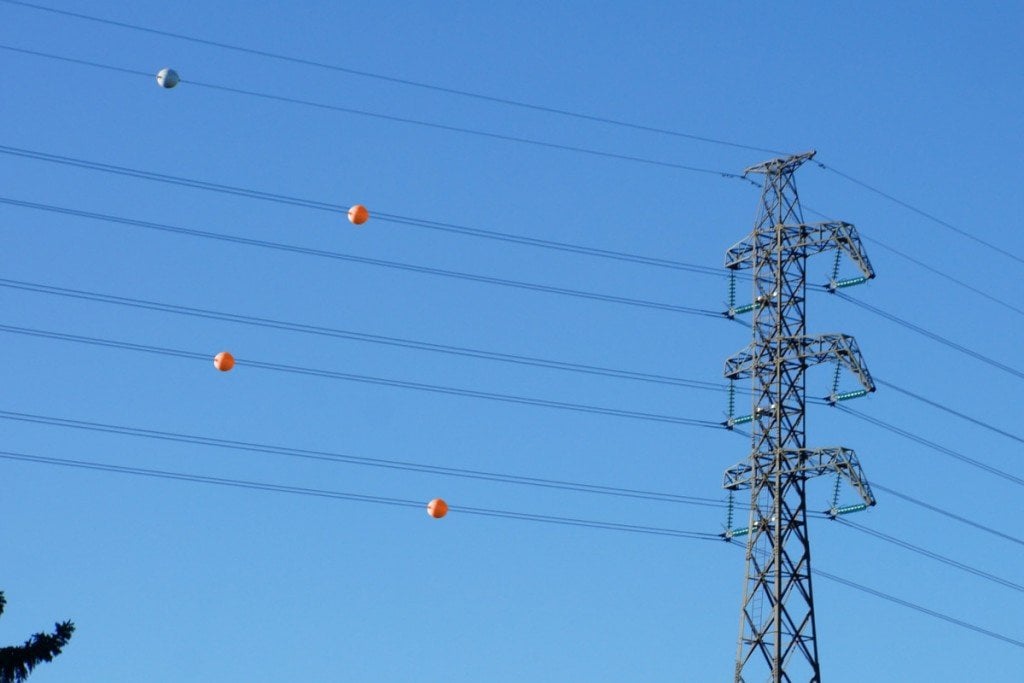
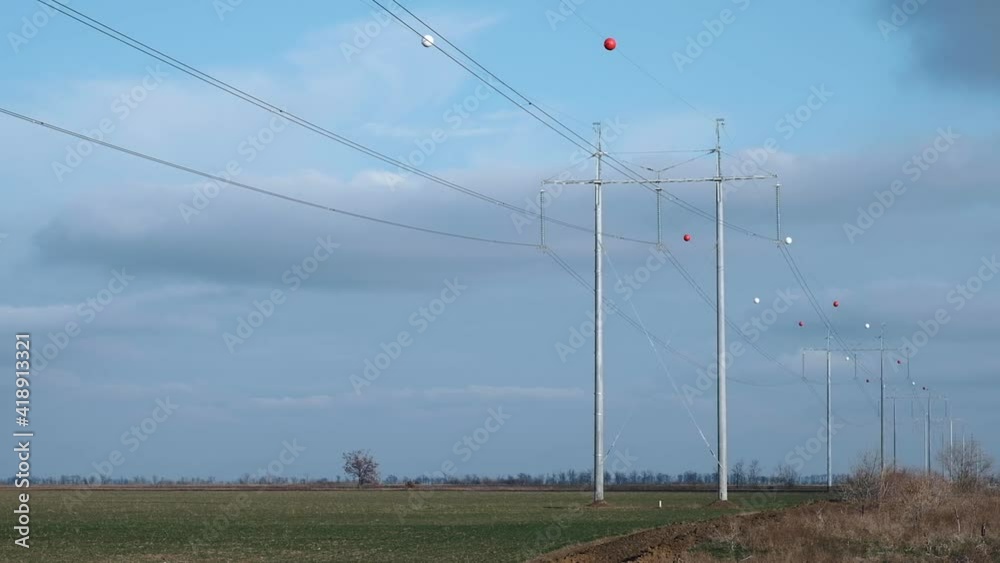
Ever found yourself gazing upwards, perhaps while stuck in traffic, or maybe on a leisurely hike across an open field? Your eyes drift along the majestic, often imposing, power lines that crisscross our landscapes, carrying the electricity that powers our lives. And then you see them: those curious, colorful spheres, often orange, white, or red, strategically placed along the wires. They look a bit like balloons that got snagged, or maybe some kind of futuristic decoration. But what are these mysterious objects, and why are they there?
Far from being lost party favors, these "balloons" are actually a really clever and incredibly important safety feature! They're officially known as aerial marker spheres or visibility marker balls, and their job is quite simple yet profoundly vital: to make power lines visible to aircraft. Think about it: from the ground, those thick power cables seem pretty obvious, right? But from the sky, especially for a pilot in a fast-moving plane or a helicopter, those relatively thin wires can be virtually invisible against the background of the earth, trees, or sky. This invisibility poses a significant collision hazard.
The purpose and benefits of these colorful spheres are all about prevention and safety. Each sphere is typically about 20-36 inches (50-90 cm) in diameter and made of durable, weather-resistant materials like fiberglass or plastic. They're designed to stand out, often alternating in color (like orange and white) to ensure maximum contrast against various backdrops and changing light conditions. By making the power lines clearly visible, they help pilots avoid dangerous — and potentially fatal — collisions. This is especially crucial for low-flying aircraft, such as agricultural spray planes, news helicopters, medical transport (air ambulance) helicopters, or general aviation planes flying VFR (Visual Flight Rules). So, those seemingly innocuous spheres are actually silent guardians, protecting lives and preventing catastrophic damage to our critical infrastructure.
Must Read
You can find these markers in places where aircraft are most likely to encounter power lines at lower altitudes. This includes areas near airports and heliports, across broad valleys, over rivers, or wherever transmission lines span large, open areas. While you might not encounter them in a classroom setting, understanding why they exist is a fantastic lesson in practical engineering and aviation safety. It highlights how even simple, low-tech solutions can play a massive role in complex systems like our national airspace and power grid. It's an example of how countless experts think about every potential risk, from the ground up to thousands of feet in the air, ensuring our daily lives run smoothly and safely.
Want to explore this a bit more? Here's a simple way to engage with it: next time you're out and about, especially if you're traveling by car or train, look up! Try to spot these marker balls. Pay attention to their colors and where they are placed. Are they near an airport? Do they span a wide-open area? You might notice that they are often required by regulations set by aviation authorities like the FAA (Federal Aviation Administration) in the US. A quick online search for "FAA obstruction marking standards" can lead you down a fascinating rabbit hole of how we mark everything from communication towers to those very power lines to keep our skies safe. It's a reminder that sometimes, the most overlooked details hold the most important stories.