Wet Chemical Fire Extinguisher Class
Ever thought about fire safety beyond the "stop, drop, and roll" we learned as kids? Understanding fire extinguishers might not sound like a thrilling topic, but it's incredibly useful and empowering. Think of it as gaining a superpower – the ability to protect your home and loved ones. Knowing which fire extinguisher to grab in an emergency isn't just trivia; it’s a crucial skill that can make all the difference, especially for the trickiest fires: those involving cooking oils and fats.
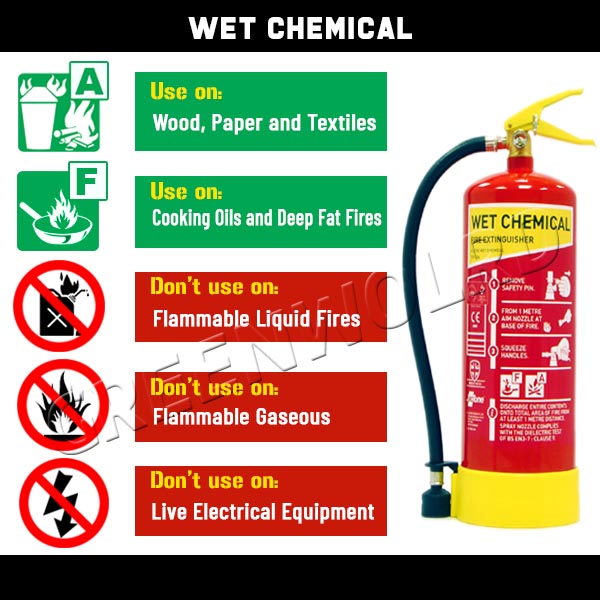
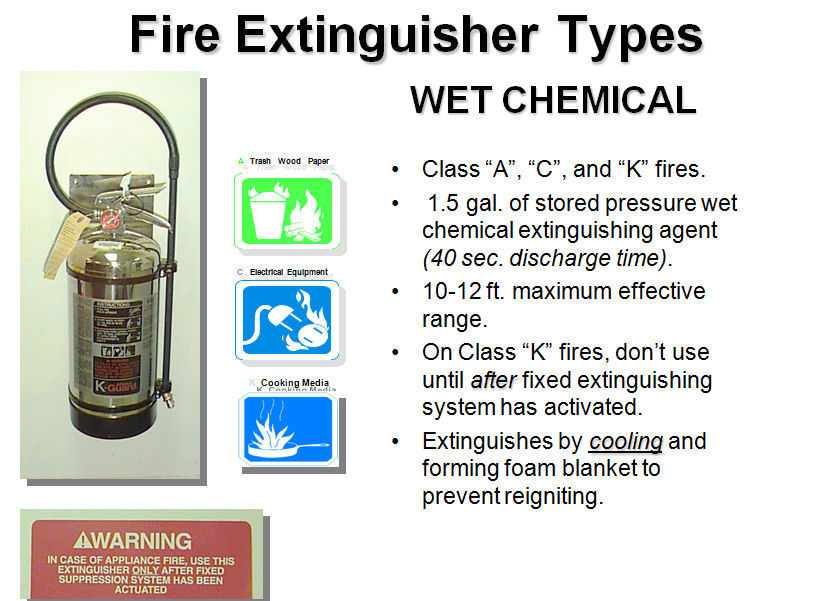
This is where the Wet Chemical Fire Extinguisher Class steps into the spotlight. Its primary purpose is to tackle Class K fires – think super-hot deep-fat fryers, sizzling woks, and boiling oil in commercial and busy home kitchens. For beginners, understanding that different fires need different tools is the first step in smart fire safety. For families, especially those who love their weekend fry-ups, a Class K extinguisher is a kitchen essential. It offers specialized defense against grease fires that water or general-purpose extinguishers might make worse. Hobbyist cooks will appreciate this dedicated protection, ensuring culinary adventures don't turn into dangerous disasters.
So, what makes a wet chemical extinguisher so special for these fires? It works through saponification. When the potassium acetate-based agent hits hot cooking oil or fat, it creates a soapy foam layer. This foam not only creates a barrier between the fire and its oxygen source but also rapidly cools the oil, preventing re-ignition. You'll typically find these in commercial kitchens like restaurants and cafeterias, where deep-fat fryers are common. But with the rise of gourmet home cooking, they're increasingly a smart addition to well-equipped home kitchens too, particularly if you frequently deep-fry or use large quantities of cooking oils.
Must Read
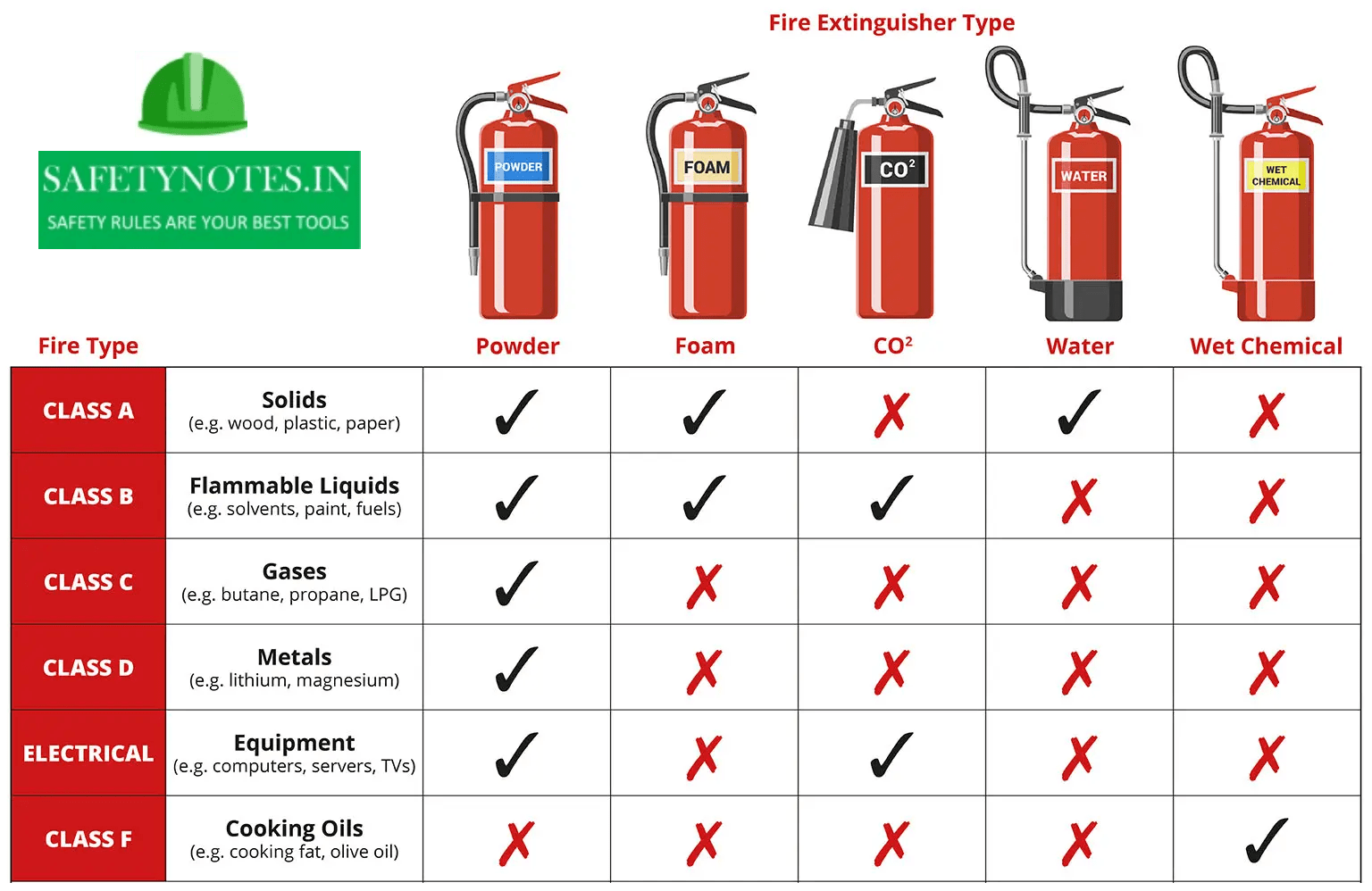
Ready to boost your fire safety game? Here are some simple, practical tips. First, assess your kitchen risks. If you deep fry frequently, a Class K extinguisher is a wise investment. Second, know your extinguishers! Ensure yours is clearly labeled with its class (A, B, C, K, or a combination). Third, and perhaps most important, know how to use it. Learn the "PASS" method (Pull, Aim, Squeeze, Sweep). Fourth, placement is key: keep your extinguisher readily accessible, usually near the kitchen exit, but not directly next to the stove during a fire. Finally, remember an extinguisher is for small, contained fires. If a fire starts to spread, get everyone out immediately and call emergency services.
In conclusion, understanding fire extinguisher classes, especially the specialized Class K, isn't just about technical jargon. It's about investing in your safety, equipping yourself with vital knowledge, and gaining true peace of mind. There’s genuine satisfaction in knowing you’re prepared for the unexpected, a valuable feeling for any home chef, parent, or anyone who cares about protecting what matters most.