Ways To Reduce Power Bill
Ah, the monthly power bill. For many of us, it arrives with all the unwelcome fanfare of a pop quiz we didn't study for. But what if instead of a dreaded burden, we could transform it into a thrilling game of financial finesse? That's right, we're talking about the surprisingly satisfying art of slashing your power bill – a pursuit that brings not just monetary relief, but a genuine sense of accomplishment!
The beauty of actively reducing your electricity consumption extends far beyond a fatter wallet. It's about taking control of your home environment, understanding how energy works within your living space, and ultimately, enjoying a deeper sense of peace. Imagine fewer surprises at the end of the month, more wiggle room for that spontaneous treat, or simply the quiet satisfaction of knowing you're managing your resources wisely. It’s also a fantastic way to subtly contribute to a greener planet, one kilowatt-hour at a time. This isn't just about saving pennies; it's about fostering smart habits that benefit your budget and the broader world.
So, where does all that electricity go? Most commonly, our power bills are inflated by culprits like heating and cooling (your HVAC system is often the biggest energy guzzler), lighting, hot water heaters, and an array of always-on electronics and kitchen appliances. These are the usual suspects, silently siphoning power and adding digits to your monthly statement. But fear not, for recognizing these areas is the first step towards reclaiming your energy independence!
Must Read
Ready to turn down the dial on your power expenses? Here are some practical tips to power up your savings strategy:
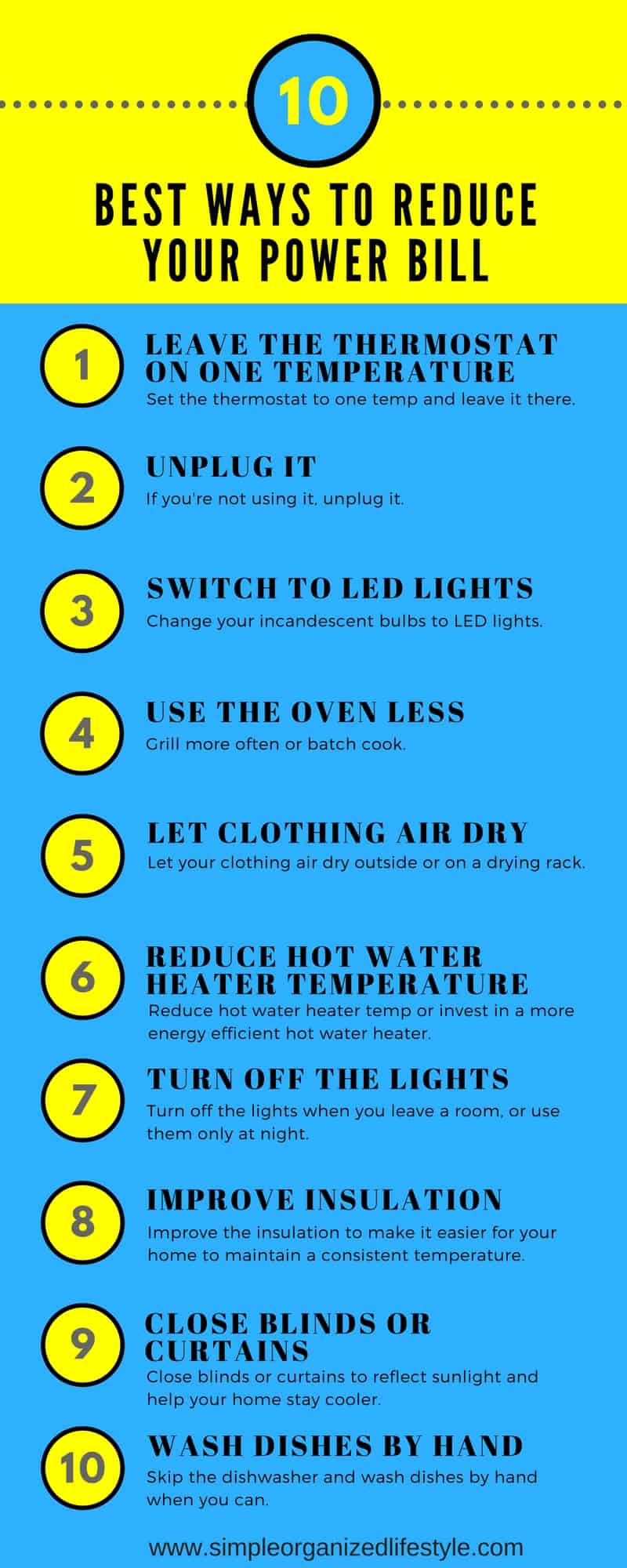
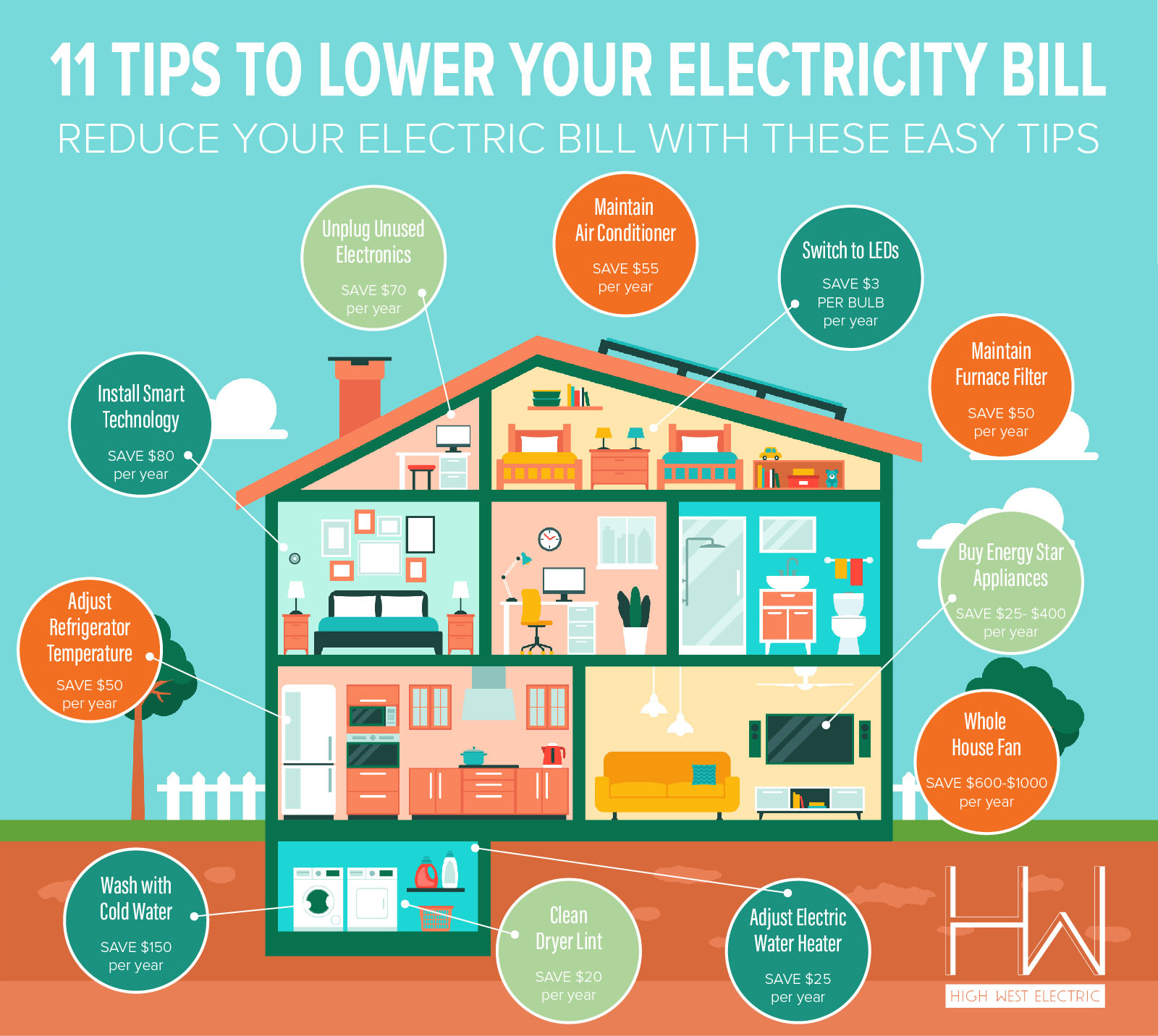
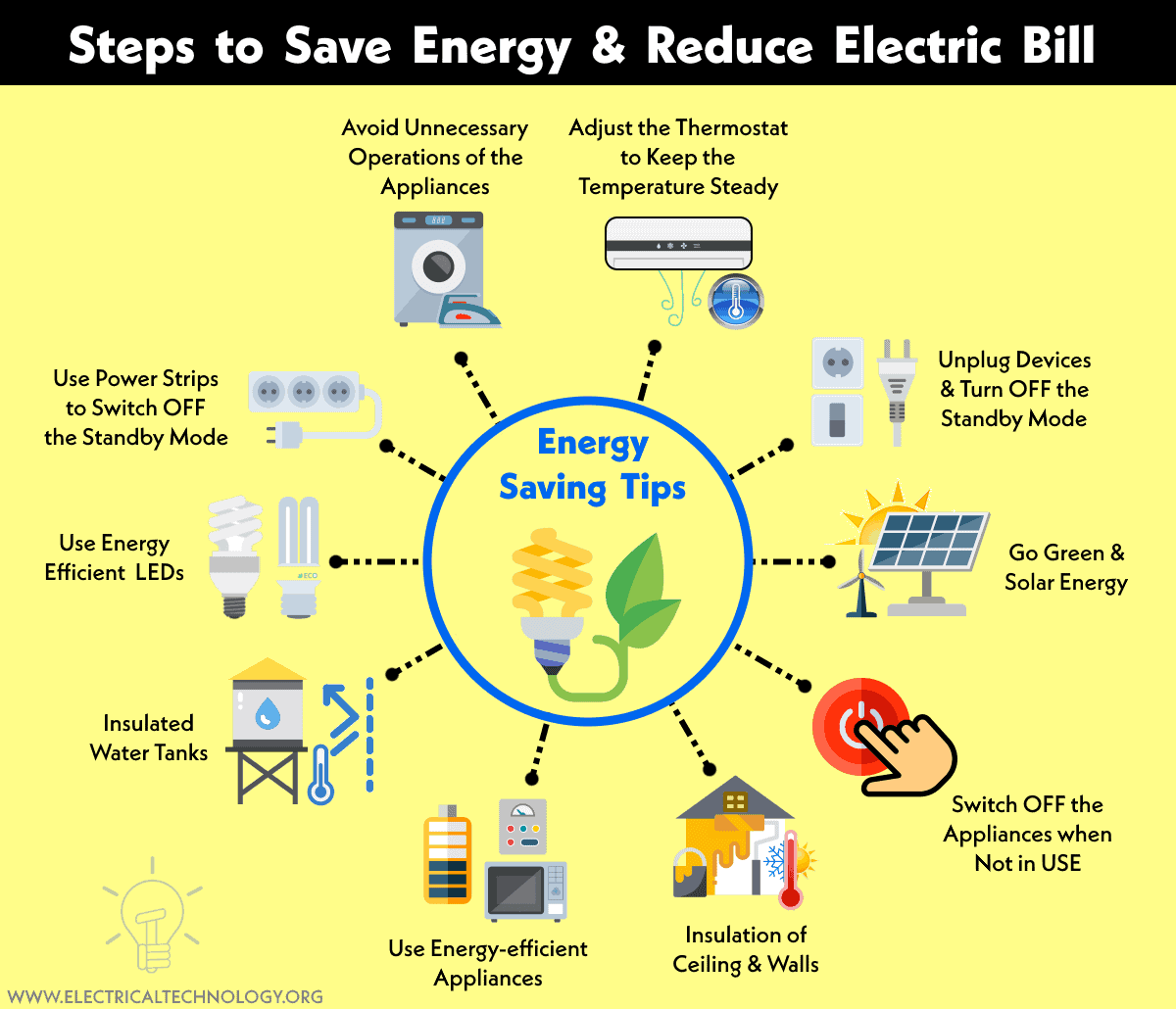
- Be a Thermostat Tsar (or Tsarina)! Your HVAC system is king. Aim for smart thermostat settings: 68°F (20°C) in winter and 78°F (26°C) in summer when you’re home. When you’re out, adjust it further to save even more. Every degree makes a difference!
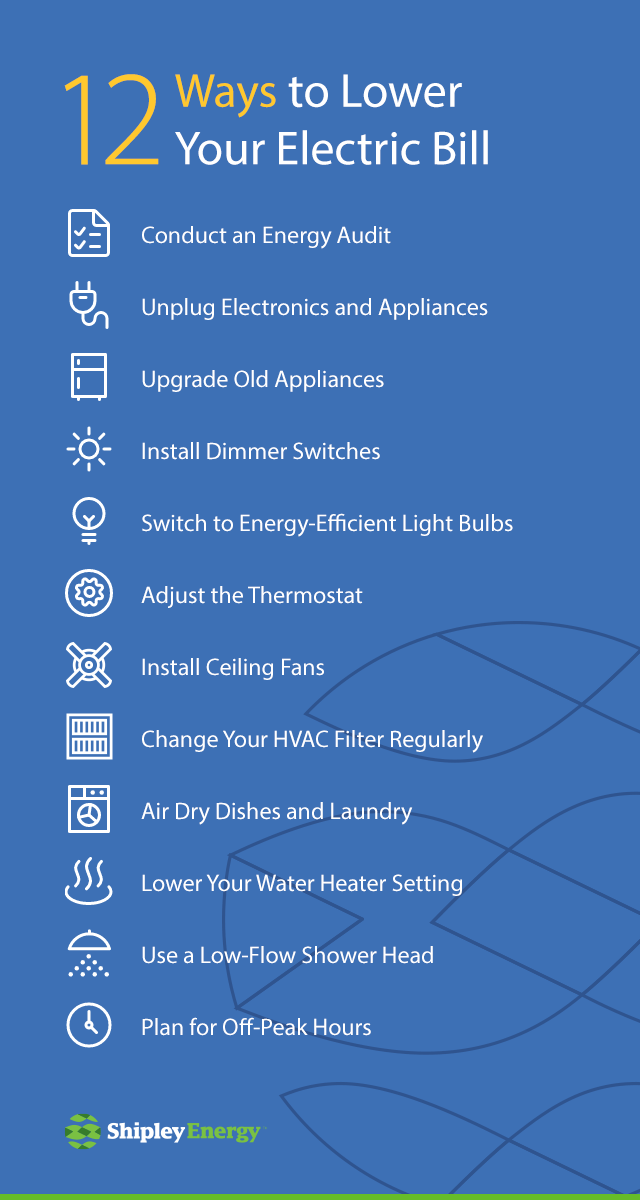
- Unplug Those Phantom Drains: Many electronics draw power even when turned off. Think phone chargers, TVs, coffee makers. They're called "phantom loads" or "vampire power." Unplug devices or use power strips you can switch off to slay these energy vampires.
- Embrace LED Lighting: If you haven't already, make the switch! LED bulbs use up to 90% less energy than traditional incandescent bulbs and last significantly longer. And, of course, always remember to turn off lights when you leave a room.
- Full Loads for Appliances: Dishwashers and washing machines use a set amount of water and energy per cycle. Maximise efficiency by only running them when they're fully loaded. For laundry, opt for cold water cycles whenever possible; heating water consumes a lot of energy.
- Seal the Leaks: Drafts around windows and doors are like open invitations for your conditioned air to escape. Use caulk and weatherstripping to seal up those sneaky air leaks and keep your home's temperature stable.
- Wise Water Heating: Your water heater is a big energy user. Consider turning down its thermostat to 120°F (49°C) – it’s still hot enough for most needs and saves energy. Also, insulate older water heaters to reduce heat loss.
- Oven Smarts: For smaller meals, a microwave or toaster oven is often far more energy-efficient than heating up a large conventional oven. Also, remember to keep your oven door closed during cooking to trap heat.
- Harness Natural Power: Maximize natural light during the day by opening curtains and blinds. In cooler months, let the sunshine warm your home. In warmer months, open windows at night for a natural breeze to cool your home, then close them during the day to keep heat out.
By implementing these simple, yet powerful, habits, you’re not just reducing a bill; you’re engaging in a fun, rewarding challenge that leaves you with more money in your pocket and a smarter, more efficient home. Happy saving!