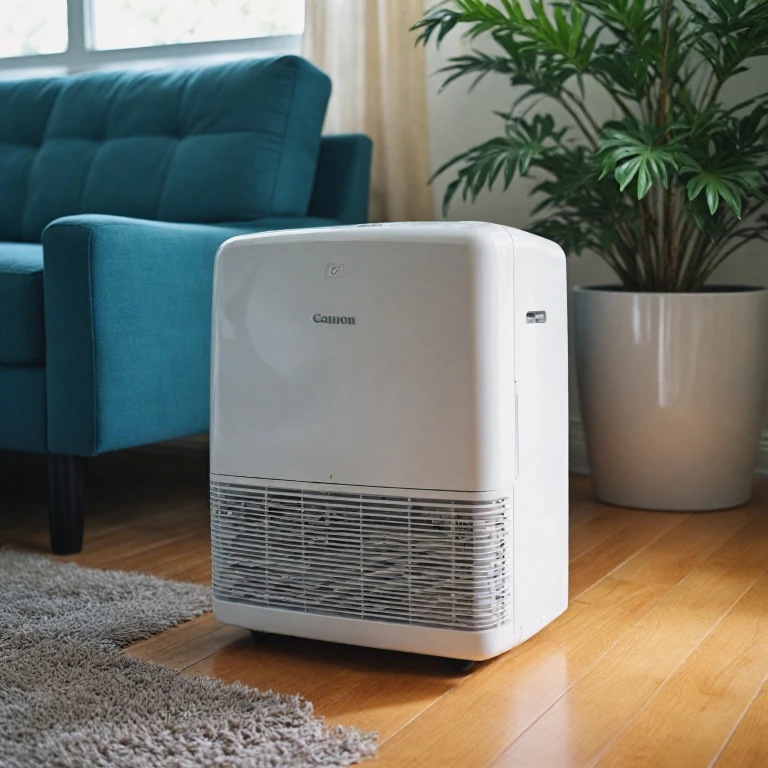
Wattage For Portable Air Conditioner

Let's face it, when the mercury rises and your home starts feeling more like a sauna than a sanctuary, a portable air conditioner can be an absolute lifesaver. But before you dive in and grab the first shiny unit you see, there's one little number that's surprisingly fun and incredibly useful to understand: wattage. It might sound a bit technical, but trust me, getting a handle on wattage isn't just about understanding electrical specs; it's about ensuring your new cool-down companion actually works for your space, doesn't trip your breakers, and keeps your electricity bill from soaring. It’s like knowing the right size shoe – essential for a comfortable fit!
So, who benefits from this nugget of knowledge? Pretty much everyone! For beginners, understanding wattage means you won't be scratching your head wondering why your fancy new AC isn't cooling your room effectively, or worse, why it keeps plunging your entire apartment into darkness. It helps you confidently pick a unit that's truly up to the task without overspending. For families, wattage is crucial for managing household energy. You want to cool down the kids' room or the living area without constantly worrying about overloaded circuits or skyrocketing energy costs. Knowing the wattage helps you choose units that deliver efficient cooling, making your home a comfortable haven for everyone. Even for the more hands-on types or apartment dwellers looking for optimal solutions, understanding wattage helps you maximize efficiency and ensure your portable AC integrates seamlessly with your existing electrical setup, giving you peace of mind.
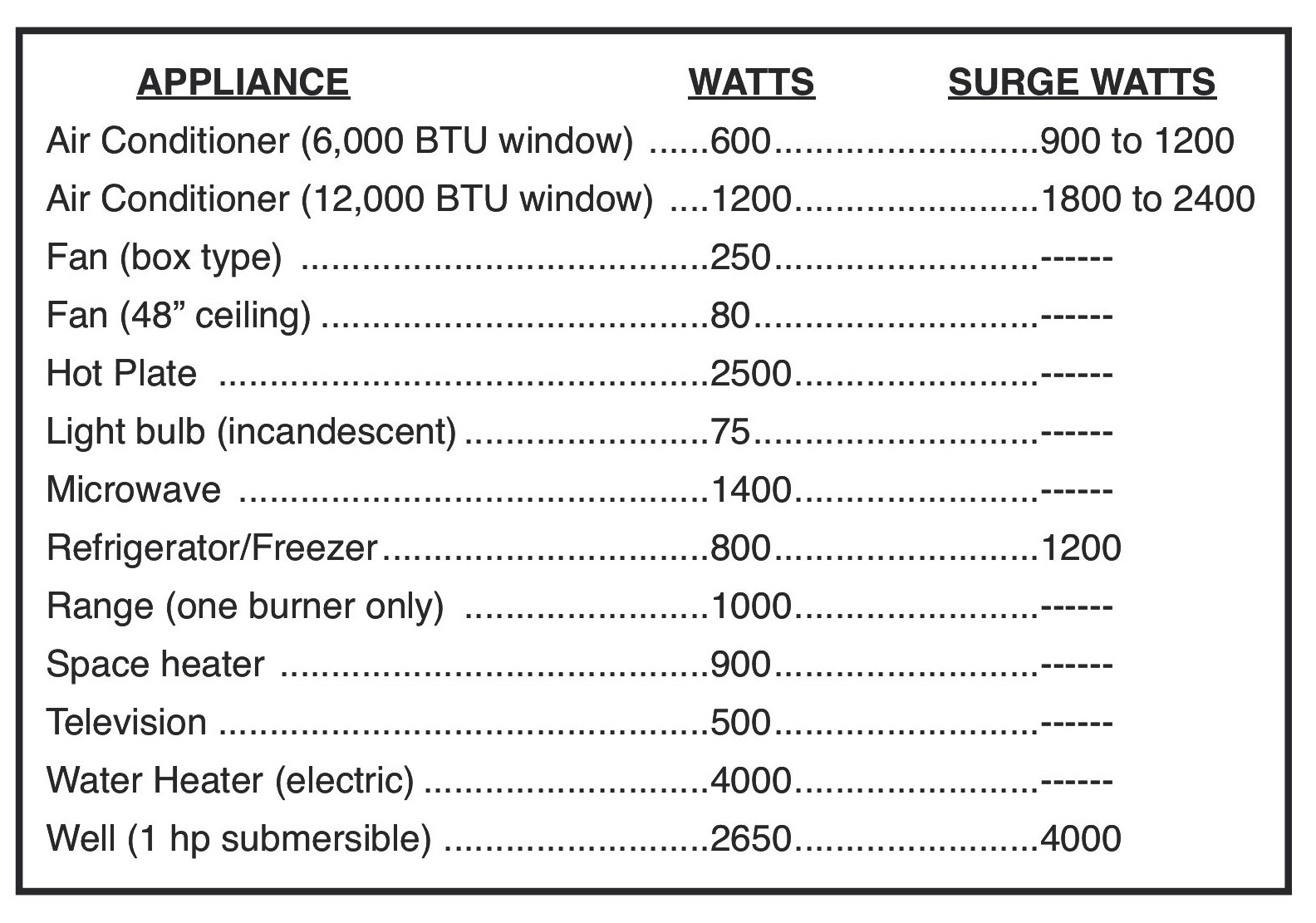
When we talk about wattage, we're essentially talking about how much electrical power your portable AC will draw. It’s often linked to the unit's BTU (British Thermal Unit) rating, which is its cooling capacity. A common small room portable AC (around 8,000 BTU) might use approximately 700-1000 watts. For a medium-sized room (10,000-12,000 BTU), you're looking at roughly 1000-1300 watts. And if you're trying to chill a larger space (14,000 BTU or more), the wattage can jump to 1300-1600 watts or even higher. It’s a bit like cars: a bigger, more powerful engine (higher BTU) generally consumes more fuel (higher wattage). But here’s the neat part: some units are more energy efficient, meaning they achieve the same cooling (BTU) with less wattage. That’s where you start seeing the real magic happen for your wallet!
Must Read
Ready to put this knowledge into action? Here are some super simple, practical tips. First, check your outlets. Most standard household outlets are 15-20 amps, and a portable AC can draw a significant chunk of that. You don't want to run other high-wattage appliances on the same circuit when your AC is humming. Second, match the wattage to your room size – a unit too small won't cool properly, and one too big is just a waste of energy (and money). Third, always look for the Energy Star label; it’s a quick indicator of better efficiency. Finally, while it’s always best to plug directly into a wall outlet, if you absolutely must use an extension cord, make sure it’s a heavy-duty one that’s rated to handle the AC's wattage safely. Don't cheap out here!
So, there you have it! Understanding wattage for your portable air conditioner isn't a chore; it's an empowering step towards a cooler, more comfortable home. By knowing this little detail, you’re not just buying an appliance; you’re investing in smart, efficient cooling that won’t break the bank or trip a breaker. Go forth and enjoy the bliss of perfectly managed indoor temperatures. Stay cool, friends!
![Portable AC Wattage Results [Most Efficient Revealed 2024]](https://ecocostsavings.com/wp-content/uploads/2022/03/portable-air-conditioner-room-size.jpg)
![Portable AC Wattage Results [Most Efficient Revealed 2024]](https://ecocostsavings.com/wp-content/uploads/2022/03/portable-ac-wattage.jpg)