
Water Heater Strapping Requirements California 2020
Alright, California dreamers! Let's talk about something that's probably not on your list of "Top 10 Fun Things to Do This Weekend": your water heater. But trust me, a little knowledge here can save you from a major headache (and potentially a flooded living room!).
Strapping? You Mean Like Sandals?
Nope, not those kind of straps! We're talking about securing your water heater to the wall so it doesn't go rogue during an earthquake. Think of it as giving your water heater a big, supportive hug.
Imagine your water heater suddenly deciding to go for a walk during an earthquake. It wouldn't be pretty, would it? Leaking water, gas lines snapping... disaster movie material, really.
Must Read
California's Got Your (Water Heater's) Back!
California, being the earthquake-prone state that it is, has some rules about this. Specifically, we're looking at the 2020 California Plumbing Code. Don't worry, you don't need to read the whole thing (unless you really want to!).
The code basically says that all water heaters need to be properly strapped to prevent them from tipping over. Think of it like buckling up for safety, but for your hot water supply.
The Nitty-Gritty: How to Strap That Beast
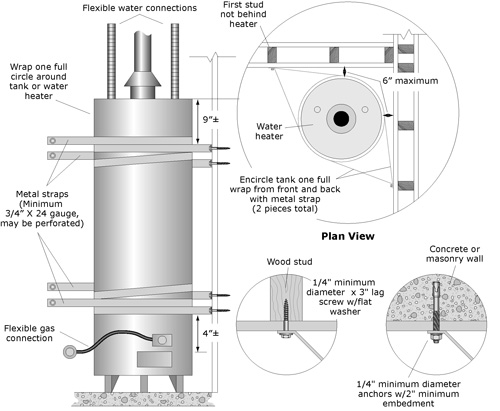
Okay, let's get down to the details. Here's the basic idea of strapping your water heater according to California standards:
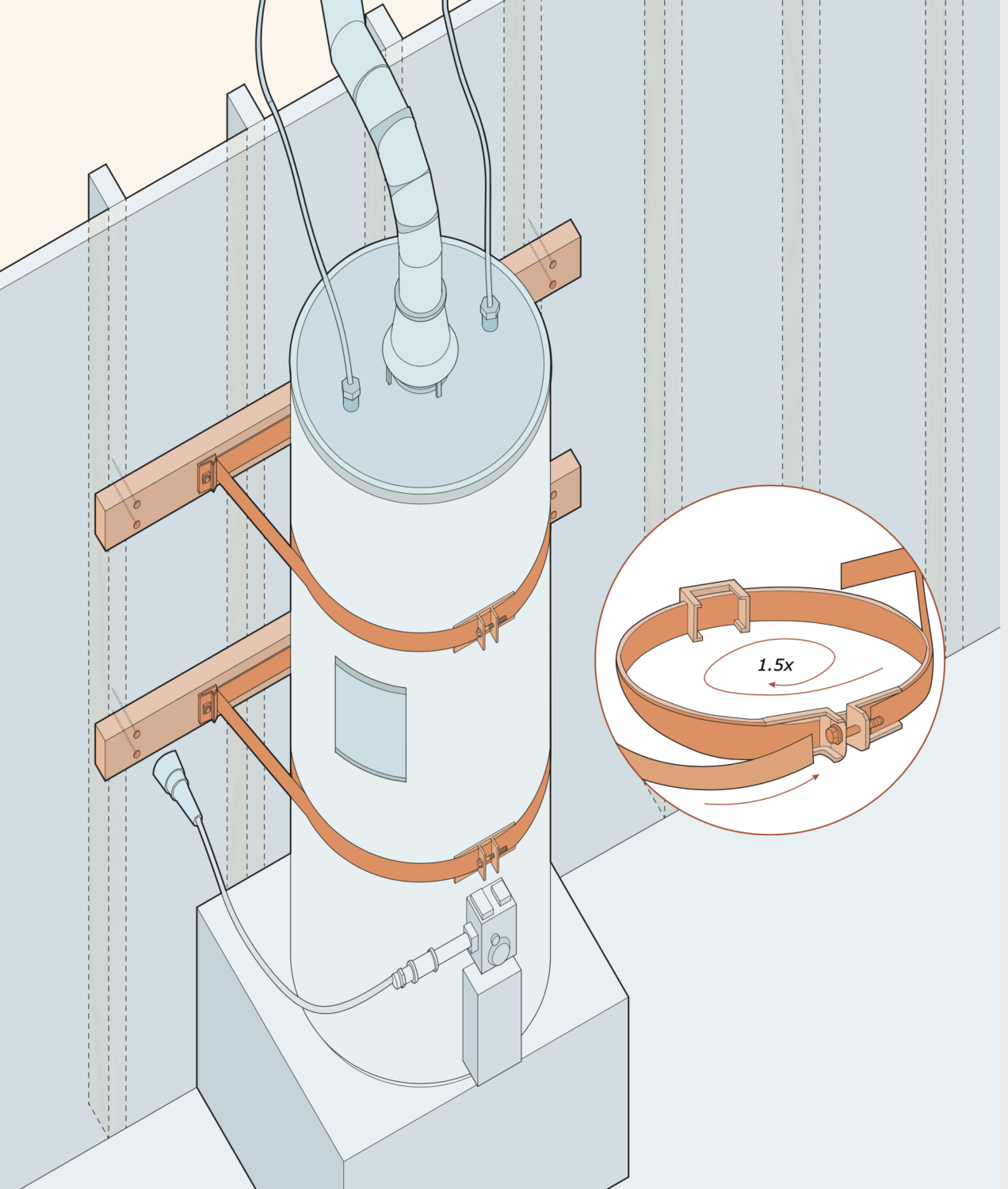
You need two straps. That's right, two! One goes around the upper third of the water heater, and the other goes around the lower third. Think of it like giving your water heater a stylish belt, twice.
The straps need to be made of some serious stuff. We're talking heavy-duty metal, not yarn or dental floss (although, points for creativity!). Usually, you will use some kind of metal strap kit.
These straps need to be anchored securely to the wall. We're not talking about just sticking them on with tape. Use bolts and anchors that are appropriate for your wall type (drywall, concrete, etc.).
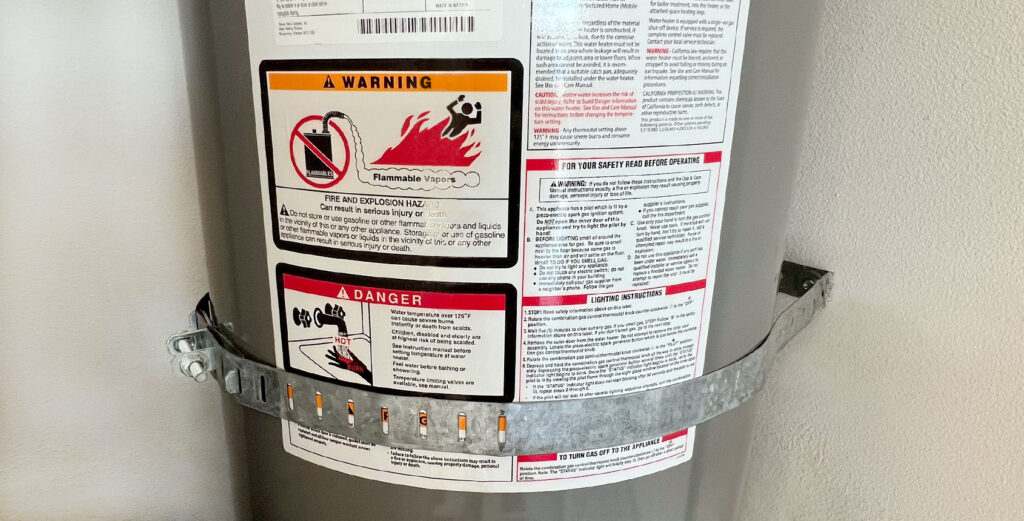
Make sure the straps are tight enough to hold the water heater in place, but not so tight that you damage it. You don't want to crush your poor water heater!
DIY or Call a Pro? That Is the Question!
Now, you might be thinking, "Hey, I'm pretty handy. I can totally do this myself!" And you might be right!
If you're comfortable with basic tools, understand how to use anchors, and have a good understanding of the instructions that come with your water heater strapping kit, then go for it! Just be sure to double-check your work.
However, if you're not confident, or if you're dealing with a tricky situation (like a weird wall type or a hard-to-reach water heater), then it's always best to call a licensed plumber. They'll know exactly what to do and can ensure the job is done right.
Think of it this way: you could try to cut your own hair, but sometimes it's better to leave it to the professionals.
Why Bother? Is It Really That Important?
Yes! Absolutely! Ignoring the strapping requirements is like playing Russian roulette with your home's plumbing. It's a gamble you don't want to take.
First and foremost, it's about safety. A falling water heater can cause serious injury or even death. That's not something to take lightly.
Second, it's about preventing damage. A fallen water heater can flood your home, causing thousands of dollars in repairs. Plus, you'll be without hot water, which is a major inconvenience.
Third, it's the law (in California, at least). If you're selling your home, a home inspector will likely check to make sure your water heater is properly strapped. If it's not, you'll have to fix it before you can sell.
And fourth, many insurance companies will not cover damages caused by a fallen, unstrapped water heater. Ouch!
The Inspector Cometh!
Speaking of inspections, if you're getting a new water heater installed, most cities or counties will require an inspection to make sure it's installed correctly. This includes checking the strapping.
Don't try to skimp on the strapping to save a few bucks. It's not worth the risk of failing the inspection and having to redo the work.

Imagine the inspector shaking their head, "Nope! Not up to code!" That's a face you don't want to see.
The Fun Part: Choosing Your Straps! (Okay, Maybe Not That Fun)
Alright, let's be honest. Choosing water heater straps isn't exactly the most exciting activity in the world. But hey, you can still make it a little bit fun!
There are different types of straps available, so you can choose the ones that best fit your needs and your water heater. Some are adjustable, some are pre-cut, some are even earthquake rated (extra security!).
Do a little research and find the straps that are right for you. Or, you know, just let your plumber handle it. They've probably seen more straps than you've had hot dinners.
So, You've Strapped Your Water Heater. Now What?
Congratulations! You've taken a big step towards protecting your home and family from the dangers of earthquakes. Give yourself a pat on the back! You are a star!
But don't just set it and forget it. It's a good idea to periodically check your water heater straps to make sure they're still tight and secure. Over time, they can loosen up.
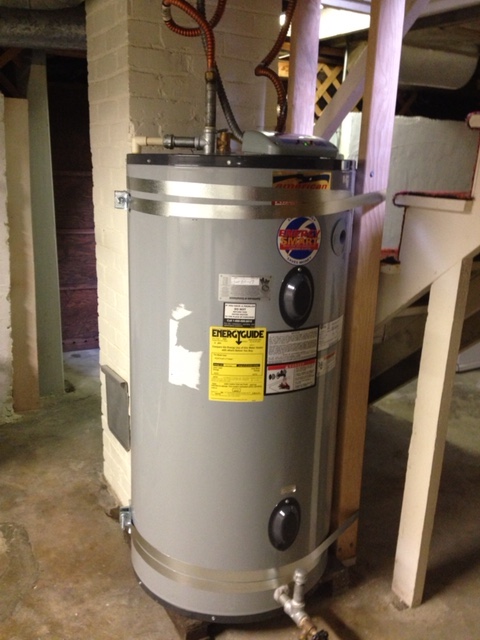
A little maintenance can go a long way. Think of it like checking the air in your tires. It's a small task that can prevent a big problem.
In Conclusion: Strap It Up!
So there you have it! Everything you need to know about water heater strapping requirements in California (as of 2020, always double-check for updates!). It might not be the most glamorous topic, but it's an important one.
Remember, strapping your water heater is about safety, preventing damage, and following the law. It's a small investment that can pay off big time in the event of an earthquake.
So go forth and strap your water heater! Your home (and your hot showers) will thank you for it. You've got this!
And now, back to your regularly scheduled fun. Go enjoy that California sunshine!
Disclaimer: This article is for informational purposes only and should not be considered professional advice. Always consult with a licensed plumber or contractor for specific recommendations and guidance. Don't blame me if your water heater still decides to dance during an earthquake – I'm just a humble article writer!