
Was Electricity Discovered Or Invented

Ever plug in your phone and wonder, "Where did this magic come from?" We all use electricity every single day. But here’s a fun brain-teaser to ponder over your morning coffee.
Was electricity something that existed all along, just waiting to be found? Or was it something clever minds built from scratch? It's a bit like asking if apples were discovered or invented.
Most folks would quickly say, "Discovered, obviously!" Lightning strikes, static shocks, electric eels – these things existed long before humans started fiddling. You didn’t invent the sun, right? It was just there.
Must Read
And yes, that’s a fair point. The natural phenomenon of electricity has been around forever. Rubbing a balloon on your hair and making it stand on end? That’s ancient static electricity showing off.
Ancient Greeks noticed amber, which they called elektron, could attract light objects after being rubbed. This was hundreds of years ago! They definitely discovered something fascinating.
So, the raw, wild power of electricity was certainly discovered. It was a force of nature, like gravity or the wind. We didn't create lightning; we just eventually figured out how to make tiny, indoor versions of it.
But Here’s My "Unpopular" Opinion!
While the fundamental force was discovered, the useful, everyday electricity we rely on? That, my friends, was very much
Think about it. We didn't just stumble upon wires and light bulbs growing on trees. We didn't dig up batteries like ancient artifacts. These things were designed, built, and perfected.
Imagine finding a wild river. You've discovered the water. But inventing a dam, a hydroelectric power plant, and a system to deliver that water to homes? That's a whole different ballgame. That's invention.
The journey to harness electricity is packed with brilliant inventors. It wasn't one "Aha!" moment. It was a long, winding road of trial, error, and pure genius.
The Invention Journey Begins
One early pioneer was William Gilbert in the 1600s. He coined the term "electricus" to describe how certain materials attracted things when rubbed. He was more of a definer than an inventor of usable power, though.
Then came guys like Otto von Guericke. He built one of the first machines to generate static electricity in the 1600s. It was a spinning globe of sulfur! Not quite what you plug your toaster into, but a start.
In the 1700s, Stephen Gray discovered that electricity could travel through certain materials. He showed it could conduct over long distances. Suddenly, this invisible force wasn't just staying put.

Then came the famous Leyden jar, invented by Pieter van Musschenbroek. This device could store an electric charge. It was like the world’s first primitive capacitor – a way to hold onto that discovered zap!
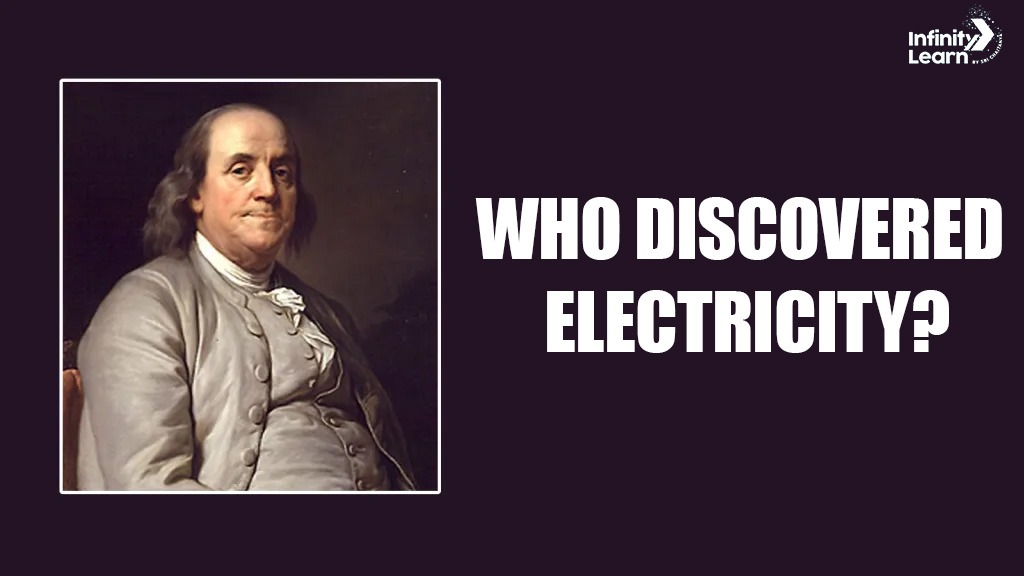
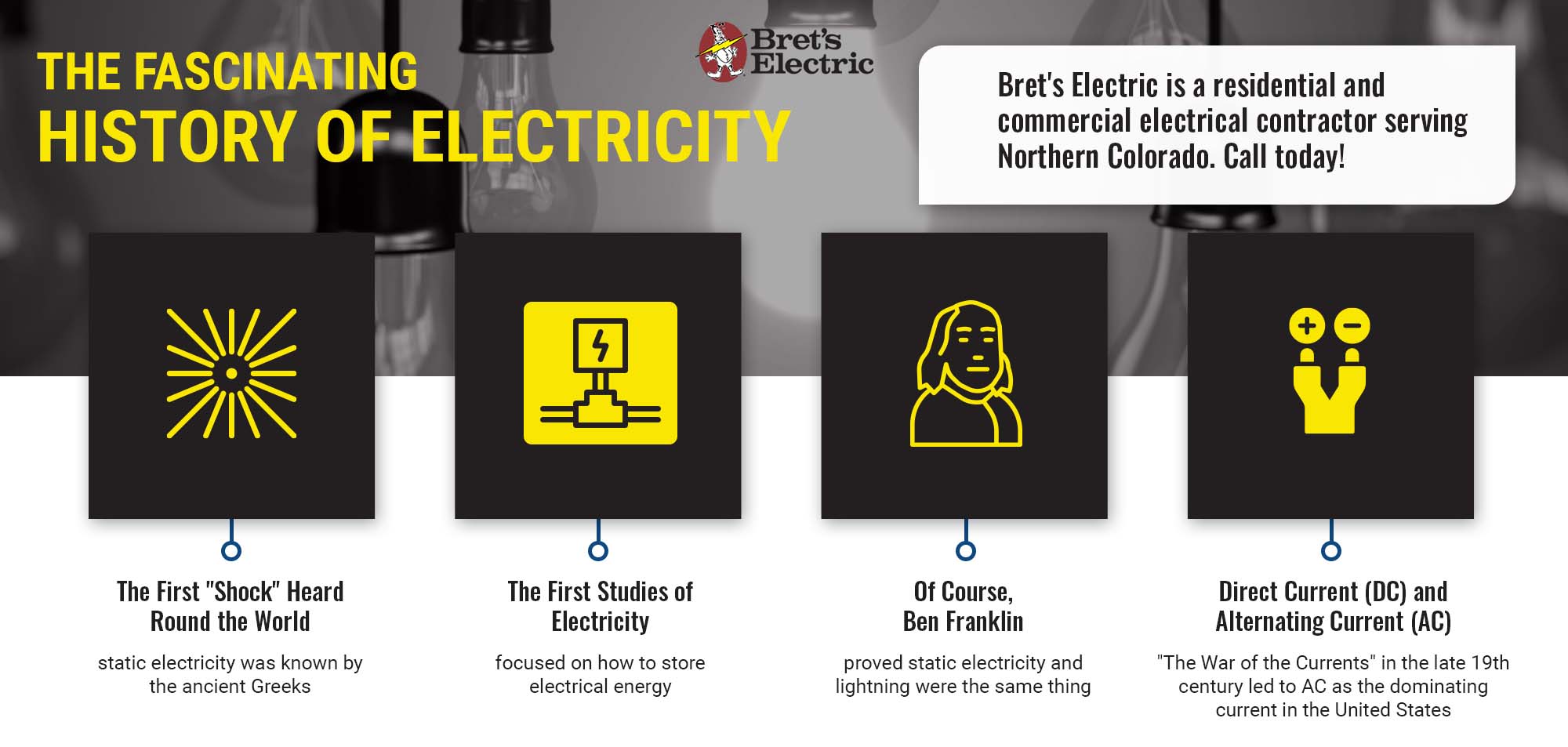
And who can forget good old Benjamin Franklin? He didn’t discover lightning. But he certainly invented the
Franklin didn't just observe electricity; he learned to direct it. He gave it a path, a purpose. That sounds a lot like invention to me!
But how do we get a continuous flow of electricity? Enter Alessandro Volta in 1800. He invented the
This was a huge leap! Suddenly, electricity wasn't just a fleeting spark or a stored charge. It was a constant flow, ready to do work. That’s definitely something we built, not just found.
Then, the truly revolutionary work of Michael Faraday in the 1800s. He discovered electromagnetic induction. More importantly, he invented the first electric motor and electric generator. This showed how to make electricity from motion and vice versa.
Before Faraday, we could generate static electricity or create it chemically. After him, we could generate it mechanically, on a much larger scale. This was a game-changer for inventing our electric world.
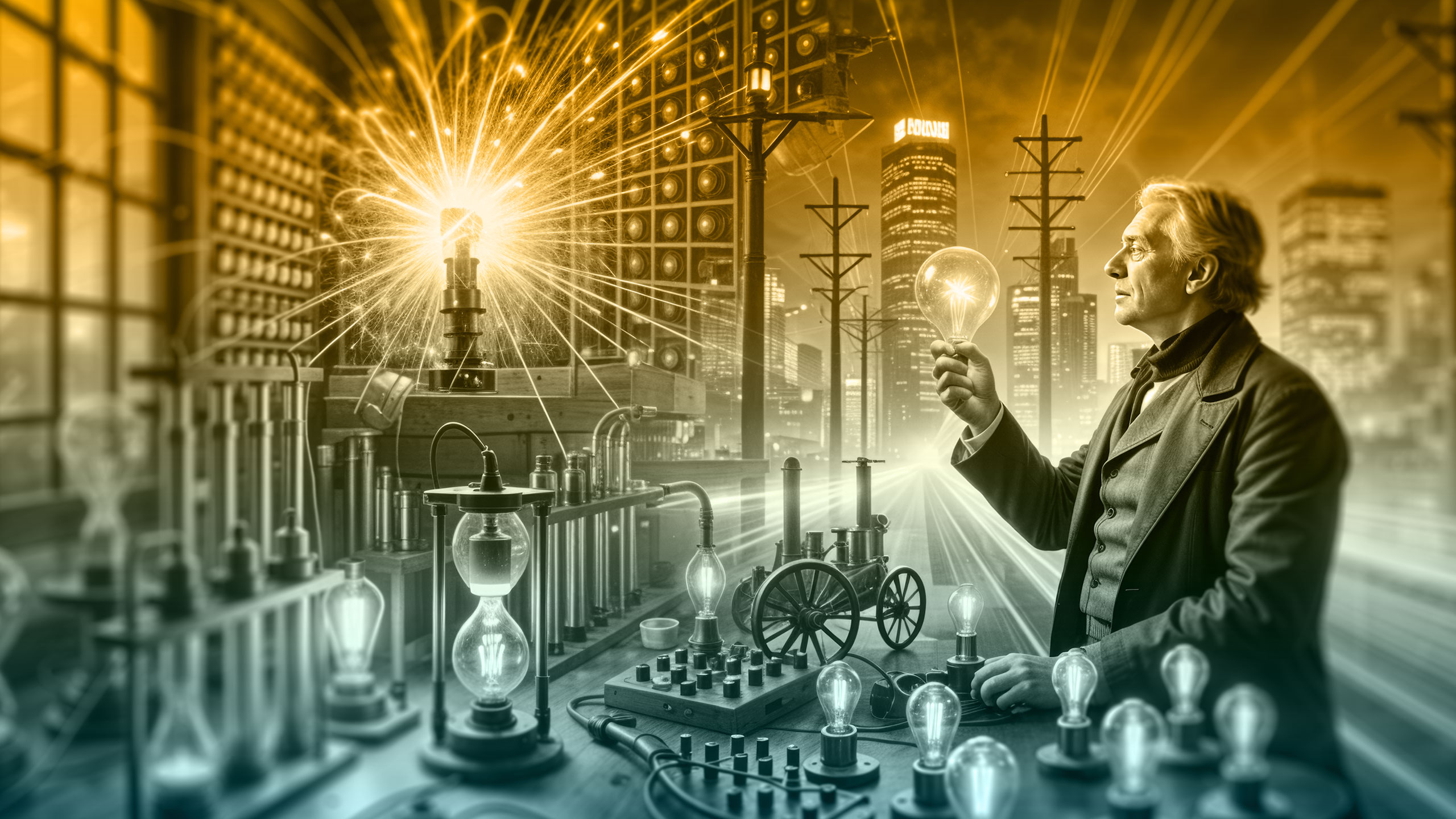
Fast forward to the late 1800s, and the world was buzzing. Thomas Edison, a name synonymous with invention, gave us a practical, long-lasting light bulb. He didn't invent electricity, but he invented a crucial use for it.
He also invented entire systems for generating and distributing electricity to homes and businesses. This was complex engineering, a massive invention. It wasn't just discovering a glowing rock!
And then there's the fierce rivalry between Edison and Nikola Tesla. Tesla was a genius who championed Alternating Current (AC). His inventions made it possible to send electricity over huge distances efficiently.
Without Tesla's inventions, our modern power grids simply wouldn't exist. He invented the motors, the generators, and the transmission systems that power our cities. He took a discovered force and shaped it into a global utility.
So, What’s the Verdict?
Yes, the fundamental force was there, like sunshine or gravity. We discovered that. But the vast, intricate network that brings power to your coffee machine, that charges your phone, that lights up your streets?
That, dear reader, is an astonishing collection of
We didn't discover the electrical grid. We built it, piece by incredible piece. We invented the methods to control, store, generate, and transmit that raw, discovered force.
So, next time you flip a switch, give a little nod to all those brilliant minds. They didn't just find electricity; they taught it new tricks. They essentially invented the electric world we live in.
My "unpopular" opinion? We definitely invented how to make electricity our incredibly useful servant. And for that, we should be eternally grateful for their inventive spirit!