Veterans Identity Theft Awareness Month

Ever find yourself curious about the unique ways we can support different communities, especially those who’ve given so much? It’s a pretty neat feeling, isn’t it, to learn something new that can genuinely make a difference. Today, let’s gently peek into a topic that might sound a bit serious at first, but is actually a powerful way to show care: Veterans Identity Theft Awareness Month. It's not about fear; it's about being informed and, honestly, quite a bit about being a good neighbor.
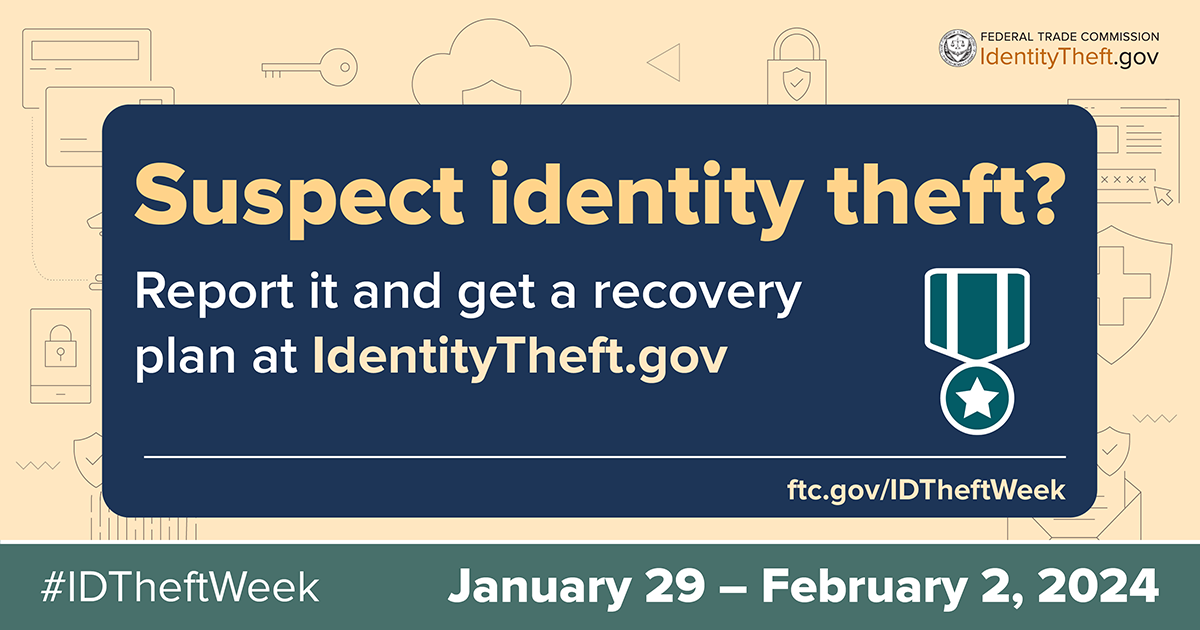
So, what exactly is this month all about, and why should we care? Simply put, Veterans Identity Theft Awareness Month is dedicated to shining a bright light on the particular vulnerabilities veterans face when it comes to identity theft, and more importantly, equipping them and their communities with the tools to fight back. Its core purpose is education and prevention. Think of it as a community-wide huddle to protect some of our most deserving citizens. The benefits are enormous: safeguarding their hard-earned benefits, protecting their credit, and ultimately, preserving their peace of mind after years of service. It helps ensure that the sacrifices they made don't leave them open to scammers looking to exploit personal information.
You might wonder how this plays out in real life or even in education. Well, imagine a local community center hosting workshops specifically tailored for veterans and their families, teaching them how to spot phishing scams or secure their online accounts. That's a direct application! In daily life, this awareness translates into things like understanding why it’s critical to shred old documents containing personal details, or knowing that certain unsolicited calls asking for VA benefit numbers are likely fraudulent. For younger generations, schools could integrate lessons on digital citizenship that highlight the importance of protecting personal information, perhaps even discussing how this specifically applies to military families who might have unique data points floating around.
Must Read
Ready to explore this a little more yourself? It’s surprisingly easy to get involved and make a difference. A great first step is simply to stay informed. Visit the Federal Trade Commission (FTC) website or the Department of Veterans Affairs (VA) site; they have a wealth of resources on common scams targeting veterans. Another practical tip is to consistently monitor your credit report – you can get free copies annually from each of the three major credit bureaus. For veterans, regularly checking benefit statements for discrepancies is also crucial. And here’s a really simple, yet powerful, idea: if you know a veteran, just share this information with them! A casual chat over coffee about a recent scam alert you saw online could be the very thing that prevents them from becoming a victim. Supporting organizations that specialize in veteran advocacy and identity protection is another wonderful way to contribute. Learning about Veterans Identity Theft Awareness Month isn’t just about protecting data; it's about recognizing and reinforcing the trust we owe to those who served.