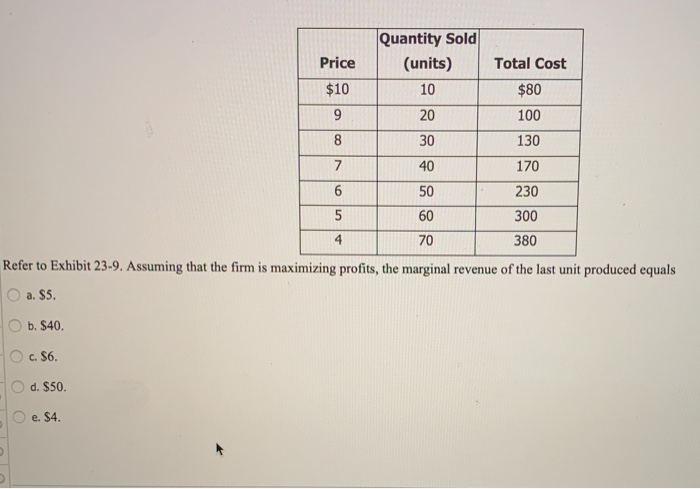
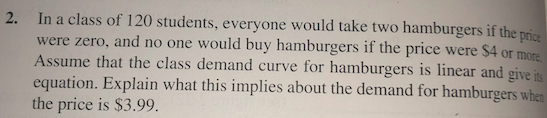
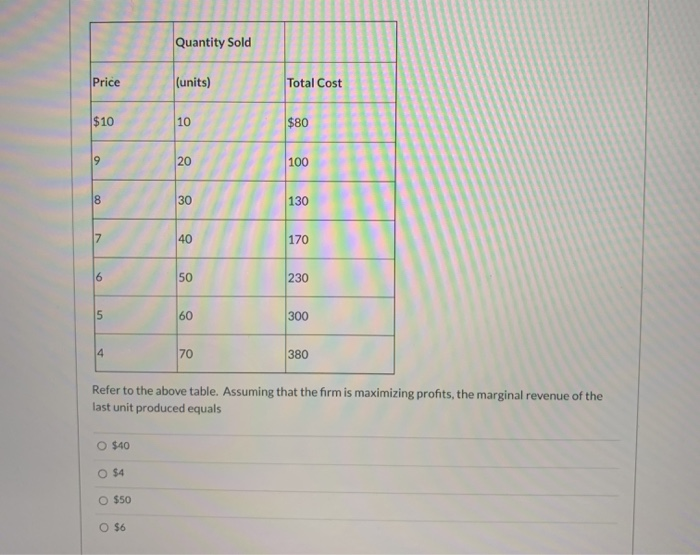
Unit Price X Quantity Sold Total Cost
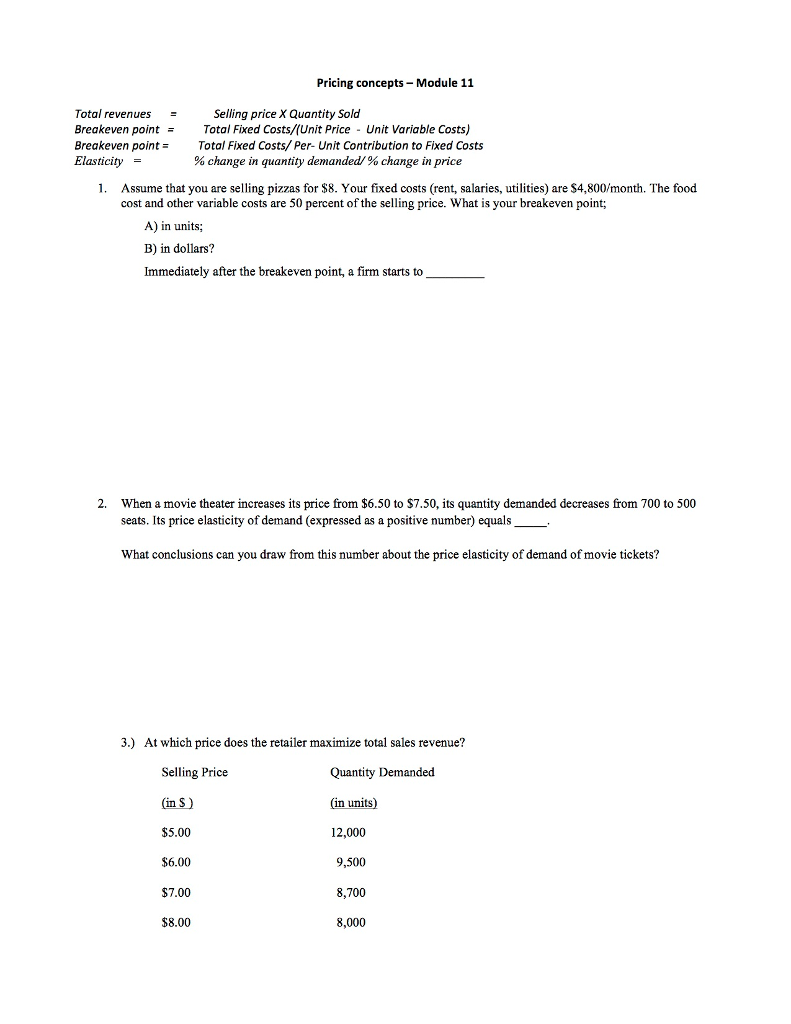
Ever feel like you're starring in your own personal episode of "The Price is Right" every time you go shopping? Let's face it, figuring out if you're really getting a good deal can sometimes feel like cracking a secret code. But fear not, budget-conscious shopper! There's a simple equation that can transform you from a bewildered browser to a savvy spender: Unit Price X Quantity Sold = Total Cost. Sounds a bit dry, maybe? Trust us, understanding this formula is like unlocking a superpower for your wallet!
So, what's the purpose of this magical equation? Simply put, it helps you calculate the total expense for buying a certain amount of something. The unit price is the cost of one single item – be it one apple, one can of soup, or one widget (we'll get to those later!). The quantity sold is, well, how many of those items you're planning to buy. And the total cost is exactly what it sounds like: the grand total you'll be shelling out.
Why is this knowledge so beneficial? Picture this: you're at the grocery store, staring at two different sizes of your favorite laundry detergent. The bigger bottle seems like a better deal, but is it really? This is where our equation comes to the rescue! Let's say the smaller bottle costs $5 and holds 50 ounces. The unit price is $5 / 50 ounces = $0.10 per ounce. Now, the larger bottle costs $9 and holds 75 ounces. The unit price here is $9 / 75 ounces = $0.12 per ounce. Aha! Even though the smaller bottle is cheaper overall, the unit price reveals that you're actually paying less per ounce of detergent. Suddenly, that smaller bottle looks a lot more appealing, right?
Must Read
The benefits extend far beyond the grocery store. Think about buying in bulk at a warehouse club. Are you actually saving money, or just buying a mountain of something you might not even use? Calculating the unit price can help you avoid buyer's remorse. Similarly, when comparing prices online, especially for things like crafting supplies, electronics, or even digital products, knowing how to calculate the total cost based on quantity and unit price is crucial. Don't be fooled by seemingly low prices – always do the math!
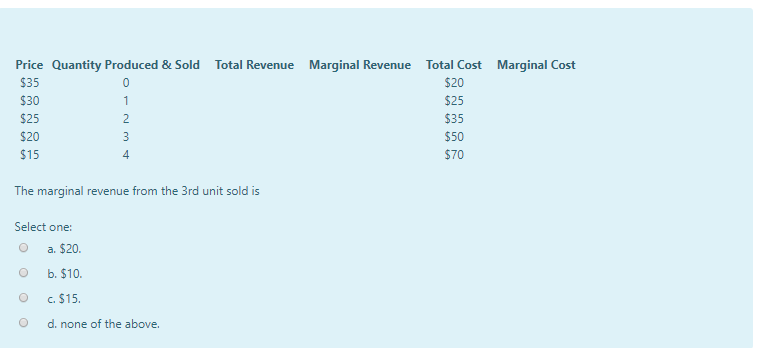
Using this equation is incredibly simple. Just plug in the numbers! Let's say you're selling those aforementioned "widgets." Each widget costs $2 (that's your unit price). You sell 10 widgets (that's your quantity sold). Your total cost is $2 X 10 = $20. Easy peasy! Remember, this works for both buying and selling. As a consumer, it helps you make informed purchasing decisions. As a small business owner (even if it’s just selling lemonade on the corner!), it helps you accurately calculate your revenue.
So, the next time you're faced with a purchasing decision, don't be intimidated. Embrace your inner mathematician (it's hiding in there, we promise!). Remember the magic formula: Unit Price X Quantity Sold = Total Cost. Armed with this knowledge, you'll be a smarter, more confident shopper, and your wallet will thank you for it. Happy shopping! Now go forth and conquer those shopping aisles!