
Ultra Violet Light For Toenail Fungus

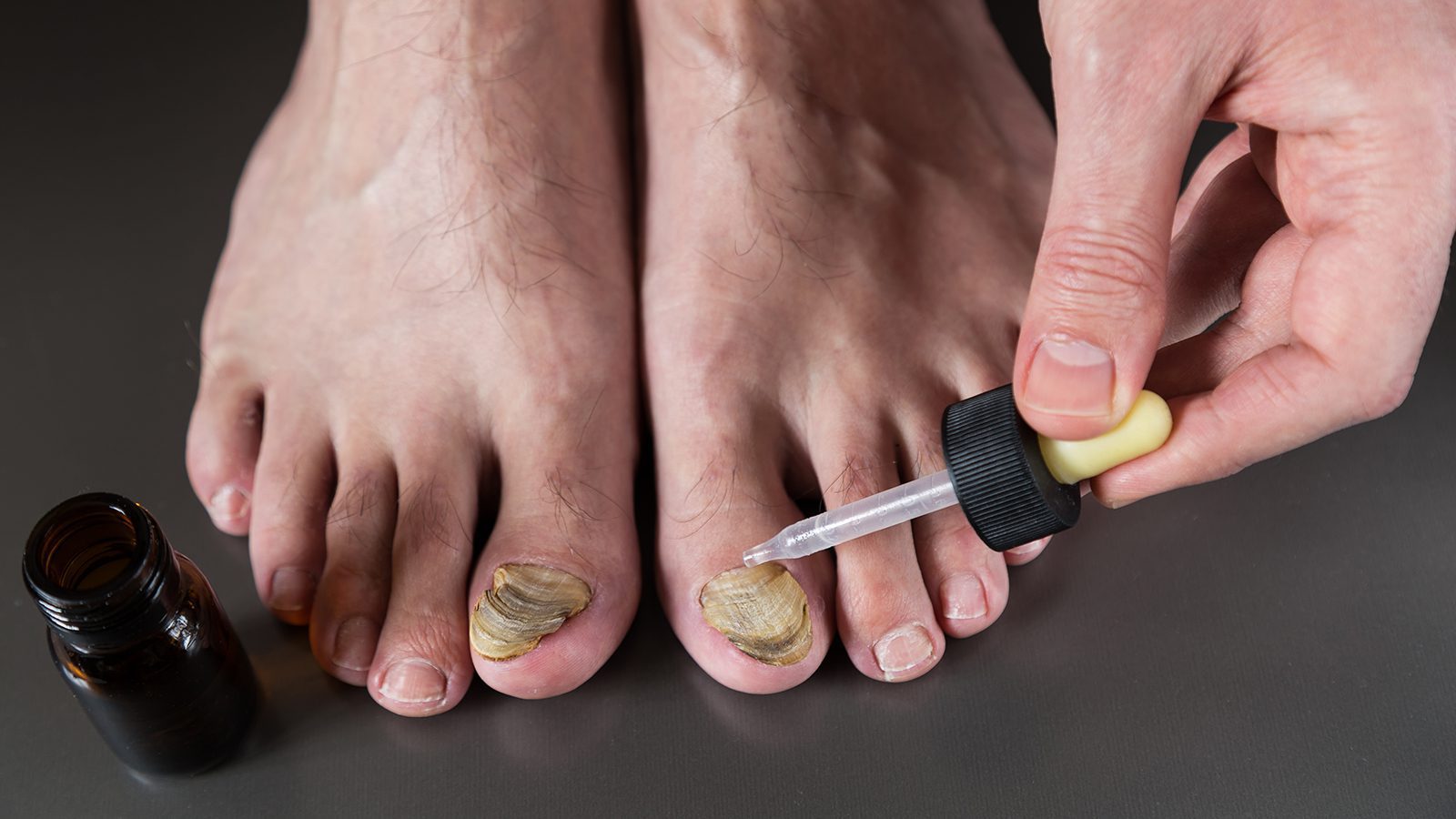
Okay, so picture this: I'm at the pool, feeling all confident in my new sandals. Then, BAM! I catch a glimpse of my own toes and nearly faint. One of them looked like it was auditioning for a role in a zombie movie. Yep, you guessed it: toenail fungus had struck. Ugh, the horror!
That got me thinking (and frantically Googling, let's be honest). I was determined to avoid those scary-sounding oral medications. And then I stumbled upon something intriguing: ultra violet light. Could this be the secret weapon in the war against fungal feet? Let's dive in!
What's the Deal with UV Light?
So, UV light. We usually think of it in terms of sunburns and tanning beds (avoid those, by the way – your skin will thank you!). But UV light also has some pretty cool, germ-killing properties. Different types of UV light exist (UVA, UVB, UVC), and some of them are actually used to sterilize things in hospitals and even treat certain skin conditions.
Must Read
But wait, you might be thinking, isn't UV light dangerous? Well, yes, in high doses and certain wavelengths. That’s why you shouldn’t go blasting your toes with just any old UV lamp. (Seriously, don't. We're talking about targeted, specific applications here.)
UV Light and Toenail Fungus: The Connection
Here's the basic idea: certain wavelengths of UV light, particularly UVC, can disrupt the DNA of fungi, preventing them from growing and reproducing. Think of it as a tiny, targeted light saber for your toes! Pew pew! (Okay, maybe not that dramatic, but you get the idea.)
:max_bytes(150000):strip_icc()/VWH-JulieBang-SuccessfulToenailFungusTreatment-Standard-03be403696bb4c6d824a6cc6090e7165.jpg)
The theory is that if you expose the infected nail to a specific dose of UV light, you can kill the fungus without harming the surrounding skin. Sounds amazing, right?
The Evidence: Does It Really Work?
Now, before you rush out and buy the first UV nail device you see, let’s talk about the research. To be perfectly frank, the scientific evidence supporting the use of UV light for toenail fungus is still… well, let's call it "emerging." Some studies have shown promise, but many are small or haven't been rigorously tested.
You know, that whole "more research is needed" thing that scientists always say? Yeah, that applies here. But, I mean, isn’t it always “more research is needed”? (Insert eye roll here).
The Upsides and Downsides
Let’s weigh the pros and cons, shall we?

Potential Upsides:
- Non-invasive: No pills, no creams (directly, anyway), just light!
- Targeted treatment: Theoretically, it targets the fungus without affecting the rest of your body.
- Fewer side effects (maybe): Compared to oral medications, the risk of serious side effects should be lower. But remember, responsible use is key!
Potential Downsides:

- Limited evidence: We need more studies to confirm its effectiveness.
- Not a quick fix: You’ll likely need multiple treatments over a period of time. Patience is a virtue, my friend!
- Potential skin damage: Overexposure to UV light can still be harmful, even with these devices.
- Cost: UV light devices can be pricey.
Things to Consider Before You Try It
Alright, so if you're still intrigued by the idea of UV light for toenail fungus, here are a few things to keep in mind:
- Talk to your doctor: This is crucial. They can assess your specific situation and advise you on the best course of treatment.
- Research the device: Make sure it's FDA-cleared or approved and has a good safety record.
- Follow the instructions carefully: Don't overdo it! More isn't always better when it comes to UV light.
- Be patient: It may take several weeks or months to see results.
And finally, remember that UV light therapy might not be a magic bullet. It could be most effective when combined with other treatments, like topical antifungal medications. Think of it as a team effort against the fungal foe!
So, there you have it – a little peek into the world of UV light and toenail fungus. While the jury's still out on its ultimate effectiveness, it's definitely an interesting area of research. And who knows, maybe one day we'll all be blasting our toes with tiny light sabers to keep the fungus at bay. Until then, keep your feet clean, dry, and fungus-free… as much as possible!